
Key Takeaways
Navigating the nuances of classic car maintenance requires patience and a systematic approach to identifying the correct components for your specific vehicle configuration. Understanding the relationship between build dates and registration is paramount to effective sourcing.
- Master your chassis number to decode manufacturing specifications.
- Distinguish between genuine OEM components and budget-focused aftermarket alternatives.
- Utilize parts catalogs to verify compatibility before making a purchase.
- Maintain a reference library of mechanical diagrams for your model.
- Leverage community knowledge to identify common component cross-compatibility.
Understanding MG chassis codes and production ranges
Identifying the correct components starts with understanding how the factory tracked vehicles during their assembly. Every vehicle possesses a unique identifier that acts as a blueprint for the parts originally installed by the manufacturer. Relying on registration dates can lead to significant errors, as the year a car was first licensed often does not reflect its actual manufacturing sequence.
The importance of chassis number ranges
Chassis numbers are the primary key for verifying fitment in older British vehicles. By tracking these sequences, enthusiasts can determine exactly when an alteration occurred during the production life of a series.
Identifying transitional periods in production
Manufacturers often implemented rolling changes during a model run rather than waiting for formal year updates. These transitional phases can mean the difference between selecting the correct gasket or a mismatched housing that fails to seat properly.
Why model year in registration differs from build date
Many classic roadsters were imported and sat in inventory before being titled. Consequently, a vehicle might be registered as a 1975 model despite being physically manufactured in late 1974, necessitating a reliance on build records rather than registration documents for sourcing.
Identifying genuine versus aftermarket parts compatibility
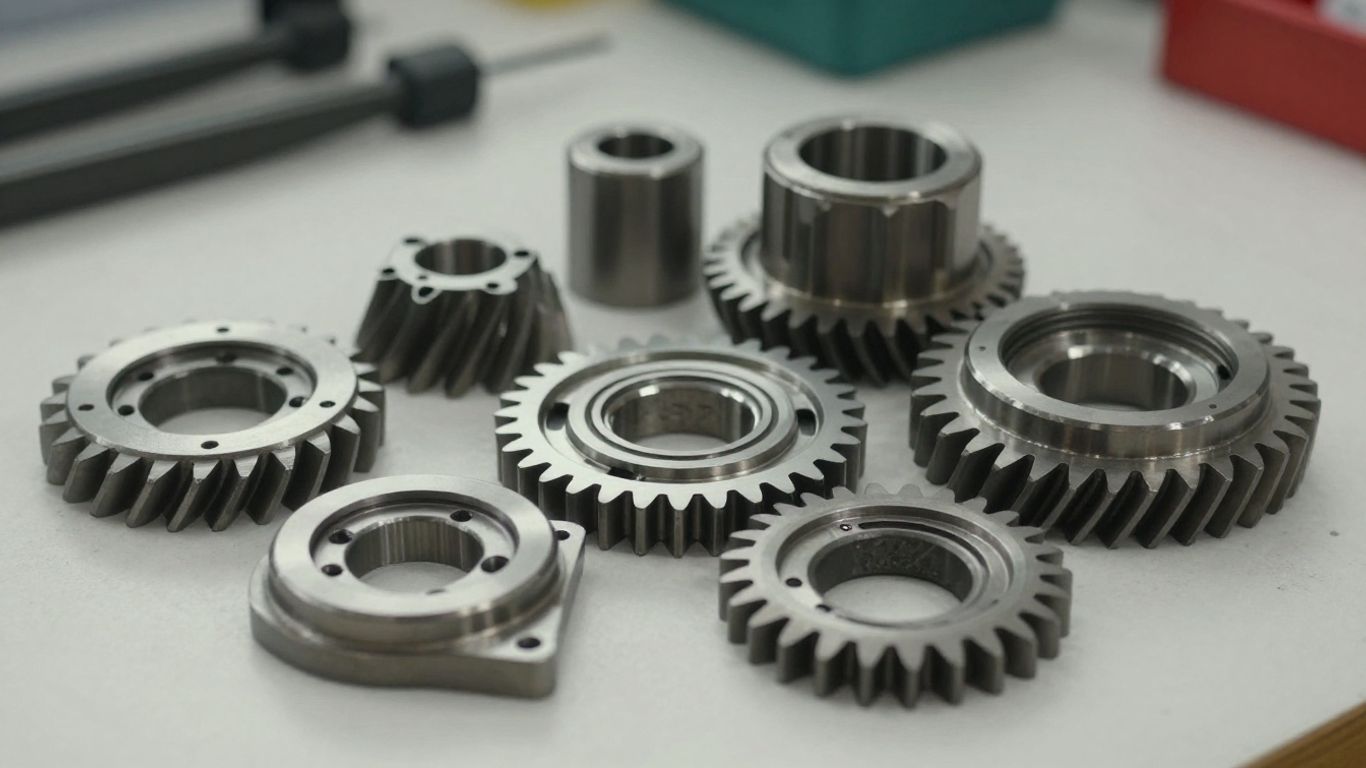
Choosing between original and reproduction hardware requires balancing your budget with the need for authentic material specifications. While many components appear identical at a glance, subtle differences in metallurgy and finish can severely impact both durability and ease of installation.
Differences between OEM and aftermarket construction
OEM components are traditionally forged to match the original factory standards designed to last for decades, whereas many modern reproductions prioritize cost-effectiveness. For owners looking for reliable replacements, Rimmer Bros provides a comprehensive selection of original components that help maintain the integrity of a restoration project.
Common fitment issues with reproduction components
Reproduction parts often require minor "fiddling" to achieve a proper fit, which can be frustrating during a major overhaul. Common issues include:
- Poorly aligned bolt holes on body trim pieces.
- Incorrect thread pitches on fasteners and studs.
- Incompatible casting materials that prevent proper heat management.
- Surface finishes that lack the depth of period-correct paint or plating.
Checking manufacturer specifications for cross-referencing
Comparing the physical properties of a new part against the factory workshop manual is a necessary step before installation. Ensuring you are sourcing parts that align with original design goals is vital for ensuring long-term vehicle performance and safety.
Navigating parts interchangeability between MG generations
Mechanical commonality exists across several decades of production, allowing for creative solutions when specific parts become unavailable. Understanding which core systems were shared helps bypass the frustration of discontinued stock.
Shared mechanical components across decades
Many brake cylinders and suspension bushings were used across various MGB and Midget models for years. Because basic engineering remained consistent throughout the mid-century era, finding parts at suppliers like Advance Auto Parts can often yield results for standard braking or electrical needs.
Risks of mixing parts between MGB, Midget, and Z-series
One should never assume that parts labeled as universal will fit without modification. As highlighted in the Midget parts interchangeability guide, even simple body panels might require custom geometry adjustments, especially when moving between different bumper configurations.
Documented common swaps in the MG enthusiast community
Restoration experts often document which late-model internal components can be retrofitted into earlier chassis to improve reliability. Consider this comparison table for common upgrade candidates:
| Part Type | Retrofit Target | Improvement Notes |
|---|---|---|
| Alternator | Early G-Series | Reduced electrical load |
| Cooling Fan | Standard Radiator | Improved air volume |
| Braking Hose | Steel Braided | Faster pedal response |
By referencing these configurations, you ensure that your modifications remain reversible and technically sound.
Using online catalogs and parts books effectively
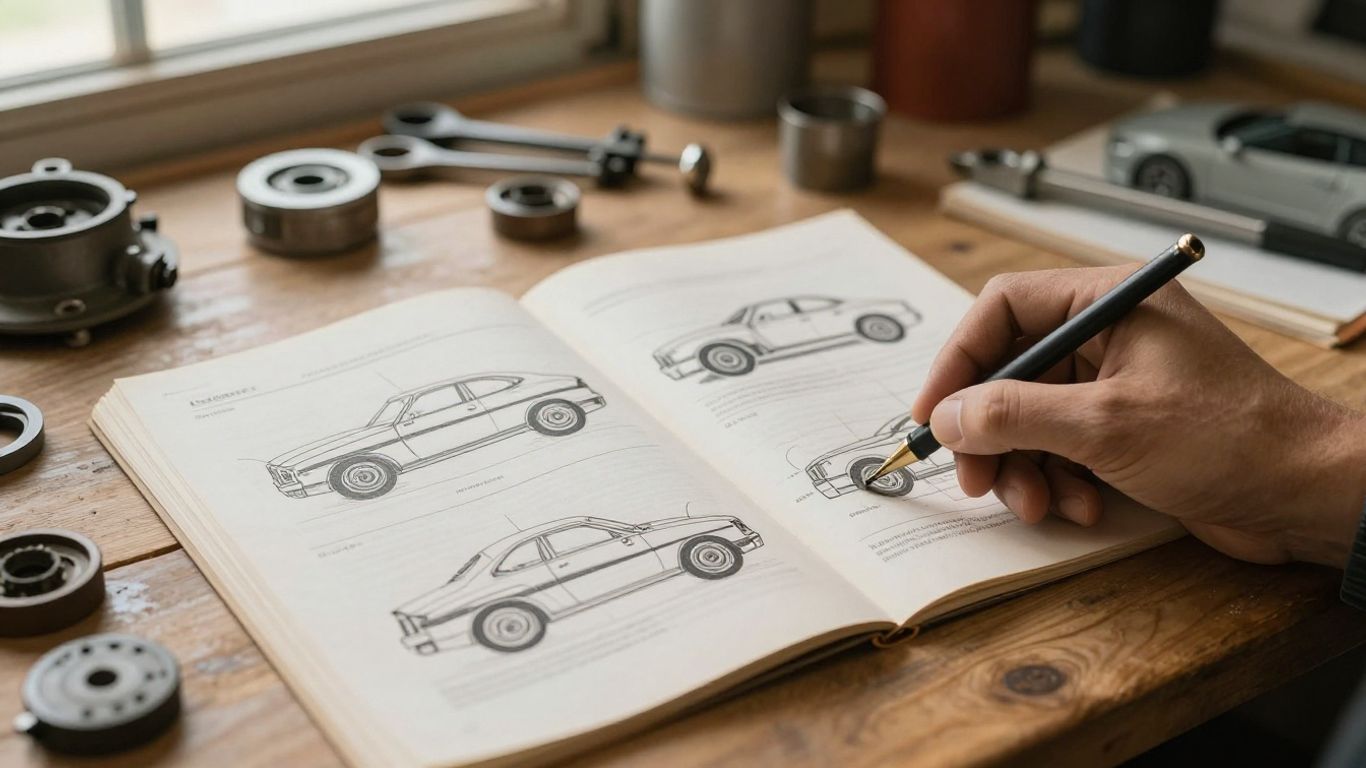
Modern digital catalogs provide a wealth of information, but they require a structured approach to prevent ordering errors. Learning to interpret the technical illustrations found in these books is a fundamental skill for every serious restorer.
Interpreting exploded diagram reference numbers
Exploded diagrams are essential for identifying the precise arrangement of washers, spacers, and bolts inside complex assemblies. These visual aids save significant time by preventing the omission of small, easily overlooked hardware components.
Cross-referencing part numbers via specialized search tools
When parts are no longer available from a single source, using secondary catalogs is necessary. For example, Fitment Industries offers a wide selection of specialty items that can sometimes replace obsolete factory wheels or suspension tuning parts.
Comparing manufacturer supersession lists
Manufacturers often updated part numbers to reflect design improvements, making a single modern identifier apply to several older parts. Reviewing these lists helps identify which updated components are backward-compatible with your specific vehicle build.
Checking VIN-specific requirements for fitment
Your Vehicle Identification Number serves as the ultimate arbiter when standard lists fail to clarify a match. Every character embedded in that string tells a story about how your vehicle left the shop.
Decoding characters for feature-specific parts
Detailed VIN decoders allow you to pinpoint whether your car was meant to have specific lighting headers or emission controls. Skipping this check can lead to purchasing parts that simply lack the necessary mounting points for your specific trim level.
Why build date is more accurate than model year
While model years are useful for identification, the actual build date captures the state of the factory line at that exact moment. Using the build date allows you to sidestep the confusion caused by seasonal model shifts.
Tracking production changes during model engine runs
Engine components often saw incremental updates during mid-cycle production that don’t match the car’s body style changes. Always check the casting numbers on the engine block itself to guarantee a match for internal consumables.
Essential tools for verifying parts fitment at home
Verification at home prevents the dreaded "part arrives, part doesn’t fit" cycle that slows down many restoration projects. Investing in a few basic measurement tools will pay for itself in saved shipping fees.
Using digital calipers for mechanical tolerances
Digital calipers are invaluable for verifying the exact diameter of journals or the thickness of shim plates. When parts are decades old, measuring the physical component is always safer than guessing based on written descriptions.
Benchmarking against the old component
Always place your removed component side-by-side with the new purchase before installing it. Checking for differences in length, thread size, or mounting alignment can highlight issues before you risk stripping a bolt or damaging delicate surfaces inside the machine.
Consulting community forums and owner archives
Active restoration forums often store the collective memories of owners who have already solved the problems you are facing. Searching archives for common part failures can provide a shortcut to the reliable suppliers and methods used by experts.
Conclusion
Successfully managing MG model year parts fitment requires a blend of historical research and practical measurement. By prioritizing build-specific data over generic registration years and verifying components against physical standards, you can restore your vehicle to its peak condition while avoiding unnecessary delays in your project timeline.
Frequently Asked Questions
Is the model year listed on my registration reliable for finding parts?
No, the registration year is often merely the date of first sale, which can differ significantly from the manufacturing date recorded at the factory.
How do I locate my original build date if the paper record is missing?
Most classic vehicles have the build date or production month stamped onto the firewall data plate or embossed within the chassis VIN sequence.
Are aftermarket parts lower in quality than original items?
Not necessarily, though OEM parts are designed to the original blueprint specifications. Aftermarket parts vary widely in quality and often require slight modifications to fit perfectly.
Can I intermix parts between different MG series models?
Interchangeability is common but not guaranteed; you must always verify the shared architecture, such as engine blocks or suspension geometry, before attempting to swap components.
What should I do if a part number has been superseded?
Supersession indicates that the manufacturer has replaced the old part with an updated version; check if the new number maintains the same mechanical specifications for your specific vehicle.
Do I need special training to use digital calipers for measurement?
Digital calipers are user-friendly, but you must ensure they are properly zeroed before every measurement to ensure accuracy, especially when identifying wear on precision engine components.
Why does identifying VIN characters matter for non-critical repairs?
Even small trim or electrical components can vary based on the specific market or production batch the car belonged to, making VIN checks a simple insurance policy against incorrect orders.