

Key Takeaways
Restoring a classic vehicle requires diligence in tracking down period-correct hardware and understanding the nuances of the manufacturer’s production changes. Use these five points to manage your components successfully.
- Always cross-reference the original part number before purchasing components.
- Be aware that Leyland-era production often prioritized modularity over original BMC specifications.
- Verify the manufacturer’s region to confirm material quality and tolerance standards.
- Keep a detailed log of superseded part numbers found in older factory workshop manuals.
- Prioritize verified vintage-appropriate materials to maintain the intended character of your vehicle.
Understanding the basics of MG parts interchangeability
Establishing a solid foundation for restoration requires a deep dive into the mechanical history of your specific chassis. While many enthusiasts assume the vehicles are identical across decades, slight production variations can significantly influence whether a component drops in or requires modification. Navigating this landscape effectively involves mastering the documentation left behind by former engineers.
Identifying original part numbers
Every project should start by cross-referencing your vehicle’s specific requirements against factory records. If you are sourcing Rimmer Bros components for a project, taking the time to match serial numbers prevents the frustration of ordering incorrect bits for your specific build year.
Differences between BMC and Leyland-era production
Transitioning from the purity of British Motor Corporation standards into the later Leyland period introduced cost-saving measures that often altered fitment. Enthusiasts frequently notice that later models utilized different fasteners and mounting points, even on shared basic chassis designs.
How regional manufacturing impacts build quality
Global production facilities sometimes adjusted metal alloys or rubber compounds based on what was locally available during a particular year. Always inspect the finish and composition of imported parts, as materials sourced in one region might differ slightly from the original factory specs provided as the baseline for your vehicle.
Decoding superseded parts catalogs
Factory manuals often underwent revisions that render early part numbers obsolete, which can confuse modern restoration efforts. Looking at an updated catalog allows you to trace how a single component might have been upgraded or replaced throughout the model’s lifespan.
Engine and drivetrain component compatibility
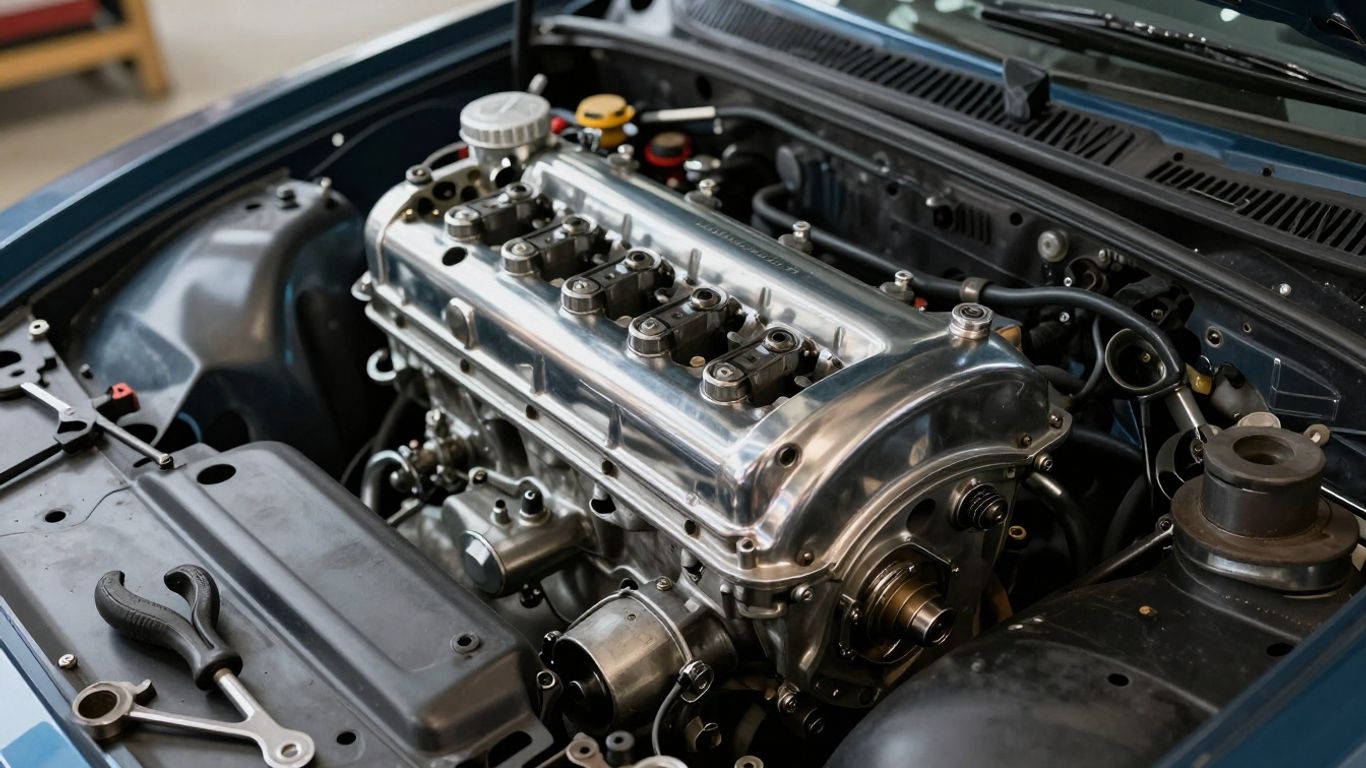
The powertrain is often the most complex area for an enthusiast to navigate because subtle changes in displacement or auxiliary systems can create conflicts. Before starting any major work, you must determine if your engine block is a high-compression version or one designed for lower-grade fuel, as this dictates the longevity and performance of your build. Always ensure internal components are matched to your specific engine serial number.
B-series engine evolution and block variants
Engine development saw numerous changes to head designs and rocker gear layouts over two decades of production. Successfully mapping these variants against your frame requires checking for the correct oil delivery ports and water jacket configurations.
Transmission and axle gear ratio swaps
Upgrading your drivetrain requires careful planning to achieve the desired driving experience on modern roads. Consider the following mechanical combinations to optimize power delivery.
- Close-ratio gearing for improved acceleration on twisty backroads.
- Standard wide-ratio gears meant for comfortable highway cruising.
- Overdrive unit integration for reducing engine strain at speed.
- Differential carrier swaps to modify your final drive ratio.
These components typically bolt onto the rear housing, provided you match the splines correctly.
Clutch assembly compatibility across models
Internal linkages in the clutch housing frequently changed to accommodate different gearbox throw-out bearing styles. Checking your flywheel type is critical before committing to a specific kit, as using a modern diaphragm clutch on an early-style flywheel may lead to misalignment.
Retrofitting modern cooling systems
Modern cooling options offer better thermal efficiency for hot climates, but fitting a new radiator often requires modifying original mounting brackets. Always ensure that the flow rate of a replacement pump matches your engine’s internal piping to prevent localized hot spots near the rear cylinders.
Navigating suspension and braking system upgrades
Modern roads place unique demands on classic setups, making it essential to evaluate your current configuration against available safety improvements. Focusing on the integrity of your mounting points allows for a safer transition to upgraded geometry or braking performance without compromising the car’s handling charm.
Interchangeability of leaf springs and dampers
Spring rates were often stiffened for later-model GT versions compared to early roadsters, which changes the ride height and cornering posture of the vehicle. Modifying your suspension setup essentially boils down to balancing spring resilience with the damping force of matched shock absorbers.
Front suspension geometry and hub assemblies
Front suspension components require tight tolerances, especially when dealing with steering rack mounting points and kingpin hardware. Ensuring that your hub assemblies are tightened to the correct factory torque prevents the play that can lead to uneven tire wear during normal operation.
Converting drum brakes to disc brake setups
Transitioning from outdated drum systems to a disc brake configuration is a frequent request, as shown in the compatibility table comparing common setups below.
| Setup Type | Modification Needed | Benefit |
|---|---|---|
| Front Drum | Replace Hubs | Increased stopping power |
| Master Cylinder | Install Servo Port | Reduced pedal effort |
| Rear Conversion | Linkage Adjustment | Balanced braking bias |
This upgrade clarifies that while the system layout is robust, precision in mounting remains the essential factor for reliable performance.
Master cylinder and servo compatibility
Selecting a master cylinder assumes you have already determined the fluid capacity required by your specific wheel cylinders or calipers. Installing a servo requires vacuum lines that were absent in earlier designs, necessitating careful thought regarding engine bay routing.
Electrical system nuances and modularity
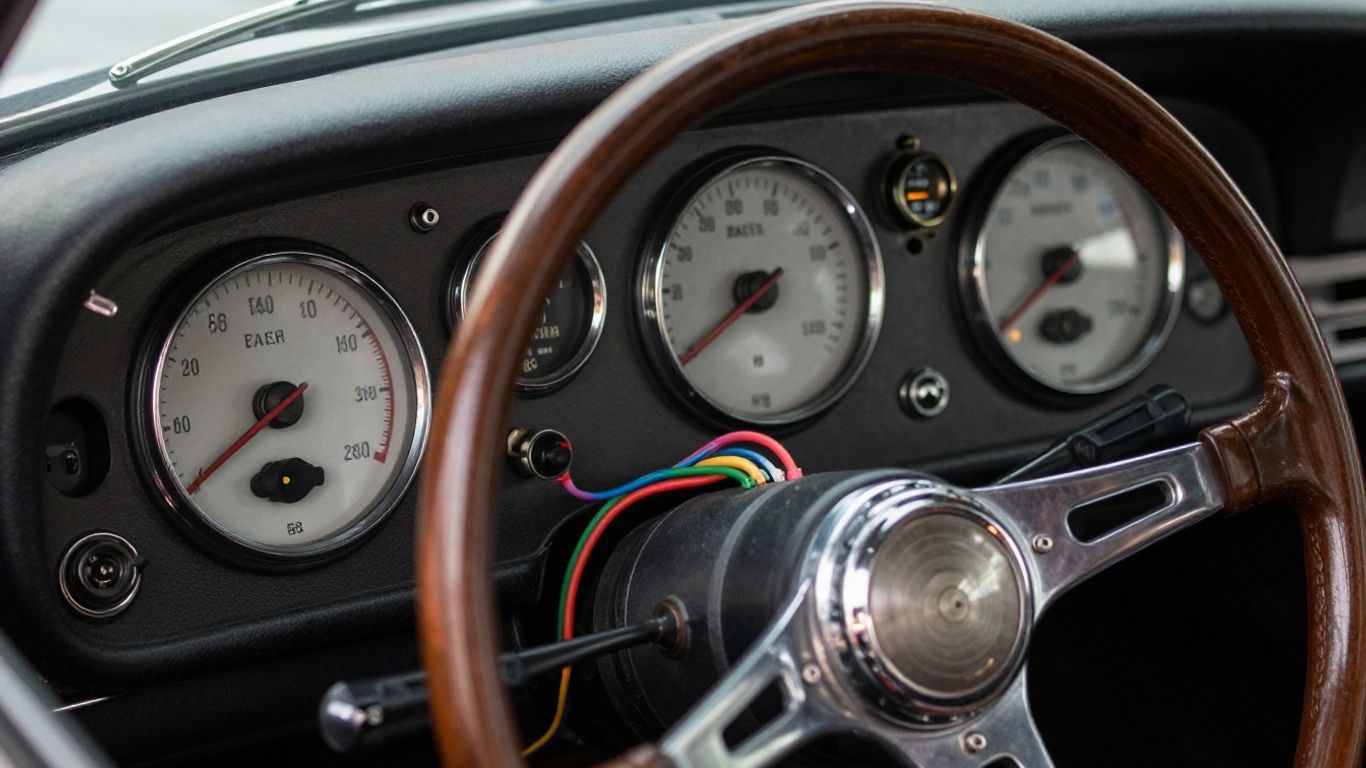
The electrical architecture is surprisingly fragile, prone to issues if you mix components from early positive-earth systems with late-model negative-earth equipment. Systematic testing of your wiring integrity serves as the baseline for avoiding short circuits or melted insulation when installing modern modules.
Wiring harness changes from early to late model years
Wiring paths became increasingly complex as safety regulations mandated more lighting and auxiliary power for interior accessories. Identifying whether your harness utilizes bullet-style connectors versus modern plastic blocks is a vital first step in any restoration project.
Alternator versus dynamo conversion kits
Replacing a dynamo is a common upgrade for those who plan on running high-draw accessories, though it necessitates changing the drive pulley ratio to ensure optimal charging. > A balanced electrical load ensures that the battery remains topped off, preventing the drain that often plagues classic cars when they sit for extended periods.
Correct load management remains the best defense against long-term electrical reliability issues.
Instrument cluster and gauge calibration compatibility
Fitting a gauge set from a donor car usually requires ensuring the sender units in the engine match the resistance range of the dials on your dash. Mismatched resistance leads to inaccurate readings that might cause you to overlook genuine overheating or oil pressure problems.
Lighting upgrades and negative earth conversions
Modern lighting kits allow for much safer nighttime driving, provided the polarity of your battery system is set to negative earth. Always double-check that your new globes match the wattage limitations of the original fuse panel to prevent overloading the circuit.
Bodywork and trim compatibility challenges
Understanding the subtle evolution of sheet metal is critical when sourcing replacements for rusted panels. As detailed in MGB and GT body parts, many exterior panels saw minor modifications that can make a used fender or door difficult to mount without professional intervention.
Panel fitment across varying chassis years
Years of factory tooling wear and mid-production revisions meant that the same panel might fit differently on a 1968 chassis compared to a 1974 model. Always expect minor adjustments during the dry-fit phase to ensure panel gaps are consistent across the entire length of the body.
Chrome bumper versus rubber bumper conversion kits
Converting a rubber bumper model to the classic chrome look requires extensive modifications to the inner mounting structures. This is a major structural commitment for enthusiasts who want that vintage profile but are starting with a later-year base vehicle.
Interior trim and seat rail interchangeability
Seat rails changed layout during the mid-70s, which can cause significant headaches if you are trying to swap modern buckets into an early interior. Verifying the distance between floor-mounted studs is mandatory before investing in new upholstery.
Glass and rubber seal sourcing criteria
Finding high-quality rubber seals is essential for preventing water ingress that inevitably leads to chassis decay. Modern reproductions vary in density, so look for seals that allow the doors to close without requiring excessive force, as that pressure indicates an improper seal profile.
Sourcing and verifying compatibility for aftermarket parts
Choosing the right supplier determines how much trial and error you will face in your workshop. Sourcing high-quality MG oldtimer spare parts ensures that you are working with materials that respect the original design intentions of the vehicle.
Assessing quality differences in reproduction parts
Not all aftermarket manufacturers respect original tolerances, so inspecting the cast edges and thread engagement of every part is standard procedure. Look for suppliers who back their inventory with specific technical data or verified manufacturer certifications.
Networking with local clubs and expert forums
Community forums often contain wisdom about which brands provide the best reproduction panels. Using these resources helps you filter out low-cost components that fail to meet reasonable expectations for fit and finish on your restoration.
Testing fitment before final installation
Never assume a part fits because it appears identical in a catalog photograph or diagram. Perform a dry run with fasteners and clamps before painting or sealing any components to prevent damaging expensive finish work during installation.
Using parts supplier cross-reference tools
Utilizing premium parts and accessories available through reliable distributors gives you access to digital search tools that simplify tracking down hard-to-find components. These databases effectively bridge the gap between ancient factory manuals and modern procurement, ensuring your parts match the specific year of your car.
Conclusion
Restoring a classic vehicle is a rewarding endeavor that relies heavily on your ability to secure the right components while navigating decades of manufacturing evolution. By prioritizing original part numbers, carefully evaluating aftermarket alternatives, and validating fitment through dry fitting, you ensure your work remains consistent with the vehicle’s legacy. Keep your catalog references handy and engage with community resources when you run into compatibility questions, as the knowledge saved by fellow enthusiasts is the most valuable tool in any garage. With persistence and attention to detail, maintaining your classic car becomes an achievable task that extends the life of these timeless machines for many years to come.
Frequently Asked Questions
How do I know if a part is genuine or a reproduction?
Genuine heritage parts typically bear factory stamps or casting marks that match the numbers referenced in authentic workshop manuals, whereas reproduction parts often lack these identifiers or use different material alloys.
Can I intermix parts from different MG model years?
While many components are shared across the production run, specific mechanical updates, fastener changes, and mounting geometry modifications mean that you must verify compatibility by serial number rather than just model name.
What should I do if a part does not seem to fit during restoration?
Stop the installation immediately to prevent damage, re-check the part against the factory catalog for your specific VIN, and consider whether a minor modification to the part is acceptable or if the component is simply incorrect for your build date.
Is switching to a negative earth system necessary for a restoration?
Converting to negative earth is not strictly required for vehicle function, but it is highly recommended if you intend to use modern electronics, as most current accessories and conversion kits require this polarity to operate correctly.
How can I verify the material quality of an aftermarket panel?
Check for inconsistencies in the surface, look for signs of improper pressing in the metal edges, and if possible, compare the weight and flexibility of the aftermarket item against an known-original panel as a reference.
Are there specific tools needed to identify parts on older models?
Beyond basic wrenches, a set of vernier calipers is essential for measuring the critical dimensions of mounting holes, shaft diameters, and fastener pitch to ensure that replacement parts align perfectly with the original hardware.
How do I safely manage wiring repairs in an aging system?
Start by labeling every connection before disconnection, replace any brittle or frayed wires to prevent short circuits, and use modern heat-shrink connectors to ensure that your electrical joints remain secure and resistant to moisture over time.