Key Takeaways
Deciding how to maintain your vehicle involves balancing fiscal reality with long-term mechanical health. Making an informed choice ensures your car performs as intended while preserving its inherent character.
- OEM components are engineered for exact factory specifications.
- Aftermarket supply chains offer varying tiers of material quality.
- Consistent service documentation protects a vehicle’s future resale value.
- Genuine parts often resolve fitment issues that complicate DIY repairs.
- Professional specialists provide critical guidance for sourcing rare components.
Understanding the difference between OEM and aftermarket
Navigating the world of automotive components can be confusing due to the variety of terminology used. When looking at your maintenance options, you are essentially choosing between parts made specifically by the original manufacturer and those produced by independent third parties to meet similar needs. Understanding the nuance between these categories is important for any enthusiast looking to preserve their vehicle.
Defining genuine MG parts and their manufacturing standards
Genuine components are produced under the strict oversight of the original equipment manufacturer to ensure every piece meets specific tolerances. These items are typically tested against factory benchmarks to verify function, durability, and safety before they reach the consumer. When you select genuine MG parts, you are relying on the same engineering legacy that defined the build quality of the vehicle when it first arrived on the road.
How aftermarket components enter the supply chain
Aftermarket options often enter the landscape as cheaper alternatives created by external companies that do not manufacture the vehicle itself. These entities evaluate consumer demand for high-turnover items like filters, brake pads, or body panels and develop their own manufacturing runs. The market is vast, with many companies competing for volume by focusing on accessibility and competitive pricing models.
Identifying quality tiers in the independent parts market
The aftermarket sector is not monolithic; it houses a wide spectrum of quality ranging from budget-focused mass production to high-end performance upgrades. Some suppliers prioritize cost reduction using lighter materials, while others attempt to improve upon original designs through modern engineering techniques. Distinguishing these tiers is the most difficult part of the buying process, as packaging does not always reflect the internal quality of the assembly.
Performance and reliability considerations
Choosing the right components helps ensure your vehicle maintains its intended driving characteristics over many years. When critical systems are involved, the predictability of the part installation is just as important as the material strength itself. Drivers often find that using factory-specified components minimizes the need for adjustment or custom fabrication during the installation process.
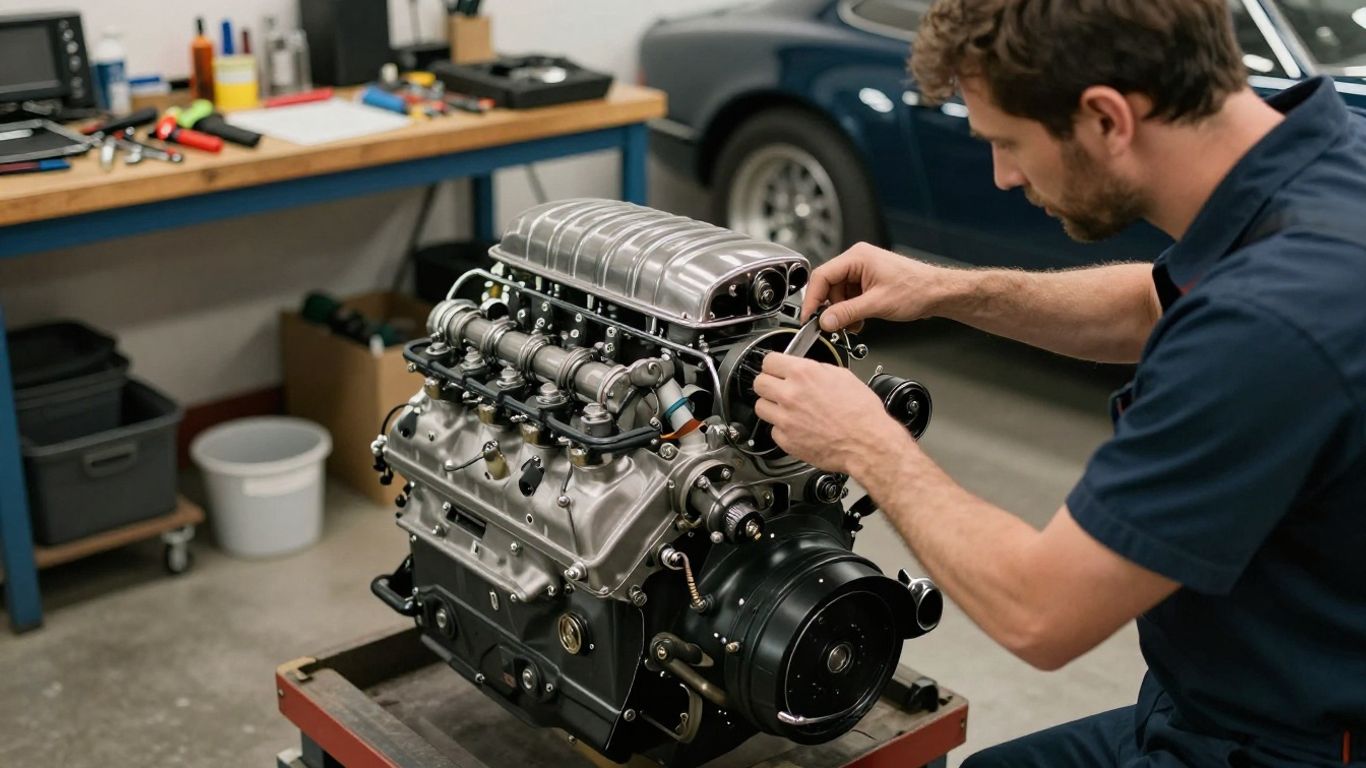
Precision engineering in factory-specified components
Factory parts are designed to interact seamlessly with existing subsystems within your car. This integration is critical because every mounting point, electrical connector, and fluid path has been mapped during the initial vehicle development phase. Using parts from the manufacturer ensures that the assembly operates with the tolerance levels anticipated by the original design team.
The trade-off between upfront cost and long-term durability
While an aftermarket part might appear more attractive due to a lower sticker price, the total cost of ownership often changes when you account for longevity. A part that wears out twice as fast or requires extra labor to fit correctly might lead to increased maintenance frequency. Many owners find that paying a premium upfront provides peace of mind that their vehicle remains in a reliable state for a longer period.
Impact on vehicle handling and safety performance standards
Safety systems and suspension geometry rely on specific mechanical properties to function correctly under various road conditions. When components deviate significantly from original standards, they may produce unintended handling behaviors through changes in weight distribution or pivot resistance. It remains helpful to evaluate your car maintenance options based on how they influence these fundamental safety parameters.
Warranty implications and resale value
How you service your vehicle dictates how it is perceived by future buyers and how manufacturers respond to potential failure claims. Using unrecognized components can create gray areas that complicate your standing with the manufacturer should a dispute arise regarding a covered part. Keeping a clear paper trail is fundamental to justifying the value of your vehicle.
How non-genuine parts affect manufacturer warranty coverage
Warranty protocols often mandate the use of specified components to maintain coverage integrity for affected systems. If a failure is found to have originated from a non-specified third-party part, the manufacturer may reasonably deny the claim for the associated repairs. This relationship underscores the need to read your warranty terms closely before opting for non-standard alternatives during the coverage period.
Maintaining vehicle value through comprehensive service history
Prospective buyers look for evidence of meticulous ownership, and a service history filled with high-quality components sends a strong signal about the car’s condition. Records that clearly identify the use of genuine parts or high-reputation aftermarket brands create transparency. This level of detail confirms that the vehicle has not been subjected to "cut-corner" repairs that might mask deeper issues or lead to future reliability dips.
Documentation requirements for high-end MG models
High-end or classic models require special attention because their market value is often tied to originality and historical authenticity. For these vehicles, collectors often look for specific manufacturer markings or documented part numbers to confirm provenance. Diligent documentation acts as proof that you have upheld the standards necessary for a vehicle of this caliber to remain a significant asset.
Cost comparison and sourcing accessibility
Budgeting for auto repairs is a common challenge, and finding the right part availability can feel like a search for balance. While convenience is a major draw for third-party shipping options, true value only manifests when the part performs as expected without hidden complications during the installation phase.
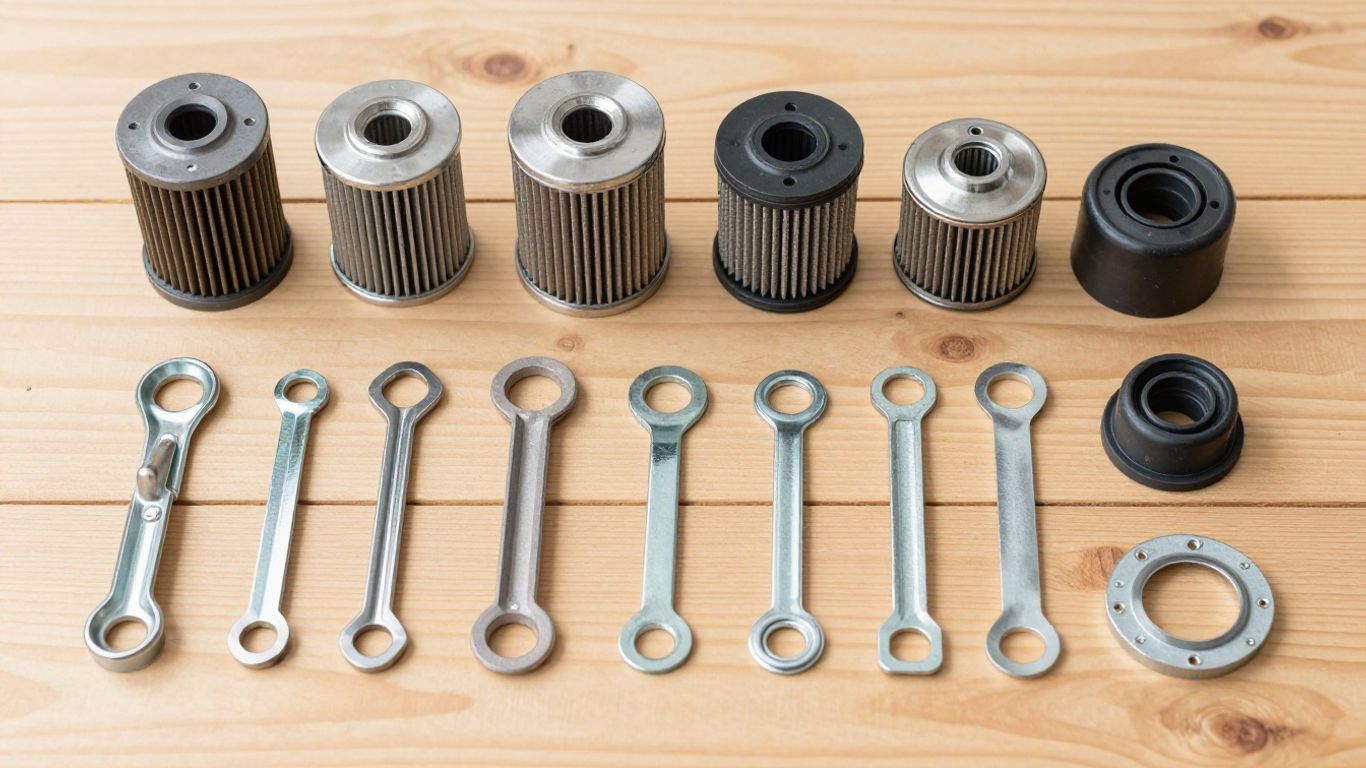
Initial price differences for routine service components
routine parts like filters and gaskets often exhibit the widest range of pricing in the current market. You may notice that price differences are exacerbated by brand names, distribution channels, and volume production at third-party factories. While finding a bargain is common, it is prudent to confirm why a particular part is priced lower than the established market average.
Availability of discontinued parts for classic MG vehicles
When a manufacturer officially stops supporting a model, the aftermarket frequently becomes the only viable source for essential components. In these cases, the expertise of Rimmer Bros becomes invaluable for sourcing parts that would otherwise vanish from the supply chain. Collectors often have to rely on their specialized deep inventory of discontinued items to keep legacy vehicles functioning properly.
Hidden labor costs associated with poor-fitting aftermarket items
A part’s actual cost includes the labor time required to make it fit, rather than just the price on the receipt. Poorly manufactured items often require excessive filing, re-drilling, or supplementary bracing to seat properly. Consider the following common issues that lead to increased service hours:
- Incorrect bolt patterns leading to flange tension.
- Substandard metal density resulting in warped mounting surfaces.
- Electrical connectors failing to seat and create a clean seal.
- Plastic trim pieces requiring excessive heat to align with door frames.
When these issues occur, a repair that should have been simple turns into a prolonged struggle, often negating any money initially saved by choosing a discounted component. Professionals typically advise that the time spent rectifying these faults is better spent on higher-quality replacements that align as intended from the start.
Quality parts possess a structural integrity that prevents unnecessary mechanical strain on neighboring systems during operation which directly extends the life of the vehicle.
When to choose aftermarket parts for your MG
Choosing the right timing for aftermarket components requires an honest assessment of your vehicle’s condition and your own mechanical goals. While OEM is usually the safest path for high-stress systems, there are moments where flexibility is both logical and beneficial for the owner.
Sourcing non-critical cosmetic or interior upgrades
Cosmetic parts like dashboard kits, custom shift knobs, or upgraded floor mats are ideal candidates for aftermarket exploration. These items rarely affect the mechanical or safety performance of the vehicle, allowing you to prioritize style and personal taste. You can often find creative designs in the independent market that simply do not exist in the traditional manufacturer catalog.
Managing repairs on budget-restricted or older vehicles
For daily drivers nearing the end of their design life, purchasing the most expensive components may not provide a proportional return on investment. If a repair is required to pass a safety inspection or keep the car mobile, reputable third-party alternatives offer a functional solution that allows you to continue using your vehicle without facing a prohibitive bill. This strategic approach keeps many cars on the road longer than they would stay if strictly dependent on high-market-price components.
Selecting reputable aftermarket manufacturers for standardized parts
Standardized parts like bulbs, fuses, or basic rubber seals often share universal dimensions across many industries. When you select a manufacturer with a history of providing consistent results, you mitigate the risk of failure while benefiting from the cost efficiency born of high-volume production. Always prioritize companies that explicitly test their components across the specific vehicle applications you are repairing.
Best practices for sourcing replacement components
Securing the right components requires a mix of skepticism, research, and expert input. Because the industry experiences constant flux in supplier quality, adopting a consistent verification approach is the best way to guard your vehicle against subpar installations.
Verifying the authenticity of genuine MG packaging and labels
Genuine manufacturer components arrive in standardized packaging designed to ensure the product remains protected throughout its journey. Checking for official security seals, printed part numbers, and clear manufacturing origin marks is essential to ensure you aren’t paying a premium for a counterfeit item. Authentic parts often feature specific batch tracking data that differentiates them visually from low-quality knockoffs.
Researching aftermarket manufacturer reliability and consumer reviews
Before finalizing a purchase from a third party, take the time to evaluate their standing within the enthusiast community. Look for reviews that focus on long-term outcomes rather than just the initial unboxing experience. If a specific brand consistently reports premature failure in real-world driving conditions, it is a clear indicator that their engineering standards are not aligned with your vehicle’s requirements.
Consulting with MG specialists before committing to a purchase
When you are unsure if a part will suit your needs, reaching out to those who spend their days restoring these vehicles is the most efficient path. Experts can provide insights into whether a current aftermarket offering meets original specifications for your trim level and intended usage. Their guidance helps avoid errors associated with misinterpreted online descriptions and ensures that you select the exact part necessary for your specific project.
Conclusion
Repairing your vehicle requires an eye for detail and an understanding of the impact that every component has on overall performance. By distinguishing between genuine manufacturer standards and the wide range of aftermarket alternatives, you gain the ability to make choices that serve your car’s long-term utility while aligning with your financial budget. Through careful sourcing and expert consultation, you can ensure your classic or modern ride remains a reliable machine for years to come.
Frequently Asked Questions
Does using aftermarket parts void my entire vehicle warranty?
Typically, a manufacturer cannot void your entire warranty simply for using aftermarket parts, but they may deny coverage for any failure directly caused by the incompatibility or poor performance of that specific non-genuine part.
How can I tell if a part is genuine or a high-quality reproduction?
Genuine parts are usually sold in manufacturer-branded packaging and include serial numbers or batch codes that can be cross-referenced against the official parts catalog provided by the vehicle manufacturer.
Are there components I should never replace with aftermarket options?
It is widely advised to stick with original factory components for critical systems such as braking assemblies, engine management sensors, and major drivetrain gearings, where precision and material reliability are essential for safety.
Do aftermarket parts ever exceed the quality of original factory parts?
Yes, certain aftermarket manufacturers focus on upgrading specific mechanical weaknesses found in original factory designs, resulting in parts that offer improved longevity or handling performance compared to the standard installation.
Why do some aftermarket parts have poor fitment?
Poor fitment generally occurs because third-party manufacturers may use reversed-engineered molds that lack access to the original factory CAD data, leading to slight deviations in dimensions and tolerance that make installation difficult.
Is it safer to choose used genuine parts over new aftermarket parts?
For many components, a verified used part that was originally fitted to the vehicle can offer superior fitment and material quality compared to a cheap, poorly engineered aftermarket alternative, provided it is properly inspected for wear.
Where can I find professional guidance for complex MG repairs?
Consulting with dedicated owners’ clubs, specialized forums, or professional shops that focus on your specific vehicle brand can provide access to the technical knowledge needed to navigate difficult component selections.