
Key Takeaways
Properly managing an MG engine replacement requires deep consideration of budget, mechanical requirements, and long-term goals for the vehicle’s performance. Understanding the interplay between part quality and labor expertise ensures you make a smart investment.
- Estimate a broad price range between $2,000 and $8,000 depending on your rebuild scope.
- Consider the trade-offs between salvaged engines and professionally rebuilt remanufactured units.
- Labor costs often comprise the largest segment of the total final bill.
- Plan for auxiliary system upgrades to complement the fresh power plant.
- Always keep detailed maintenance logs to preserve the vehicle’s resale value.
Understanding MG engine replacement cost estimates
Determining the total expense for refreshing an MG requires looking beyond the immediate price of the engine block itself. Owners often underestimate auxiliary costs like specialized hardware, updated sensors, or unforeseen machine work that emerges throughout the process. A realistic financial plan accounts for these variables early to prevent mid-project stalls.
Primary variables affecting the total price
The total cost of an engine replacement fluctuates significantly based on your specific performance targets and how much restoration work you choose to perform alongside the swap. The base unit price is just the starting point in a complex calculation that includes cooling, ignition, and fuel system compatibility updates.
| Cost Category | Estimated Range | Factor Influence |
|---|---|---|
| Basic Rebuild Parts | $1,500 – $2,500 | Medium |
| Professional Labor | $2,000 – $4,500 | High |
| Machine Shop Services | $500 – $1,500 | Variable |
These estimates vary widely based on the overall engine reliability levels required for your daily driving or show conditions.
Age and model-specific market value
Vintage MGs, such as the classic MGB, hold specific market values that dictate how much you might want to invest in a powertrain. While an older, high-mileage engine might only require a simple ring job, more significant damage often warrants sourcing a complete block, which alters the balance of the project cost versus the car’s total value.
Regional differences in labor rates
Local shop labor markets impact the final invoice, as overhead costs for automotive facilities differ drastically by geography. Some urban centers feature higher shop rates due to rent and specialized facility requirements, whereas rural shops might offer more competitive labor pricing but occasionally lack specific experience with vintage British automotive platforms.
Emergency repairs versus scheduled overhauls
Handling an engine failure on an emergency basis frequently forces hurried, more expensive procurement of parts and services. Conversely, a scheduled overhaul allows for deliberate sourcing and planning, which typically lowers the total project cost while ensuring better quality control over the final build.
Comparing sourced engine types
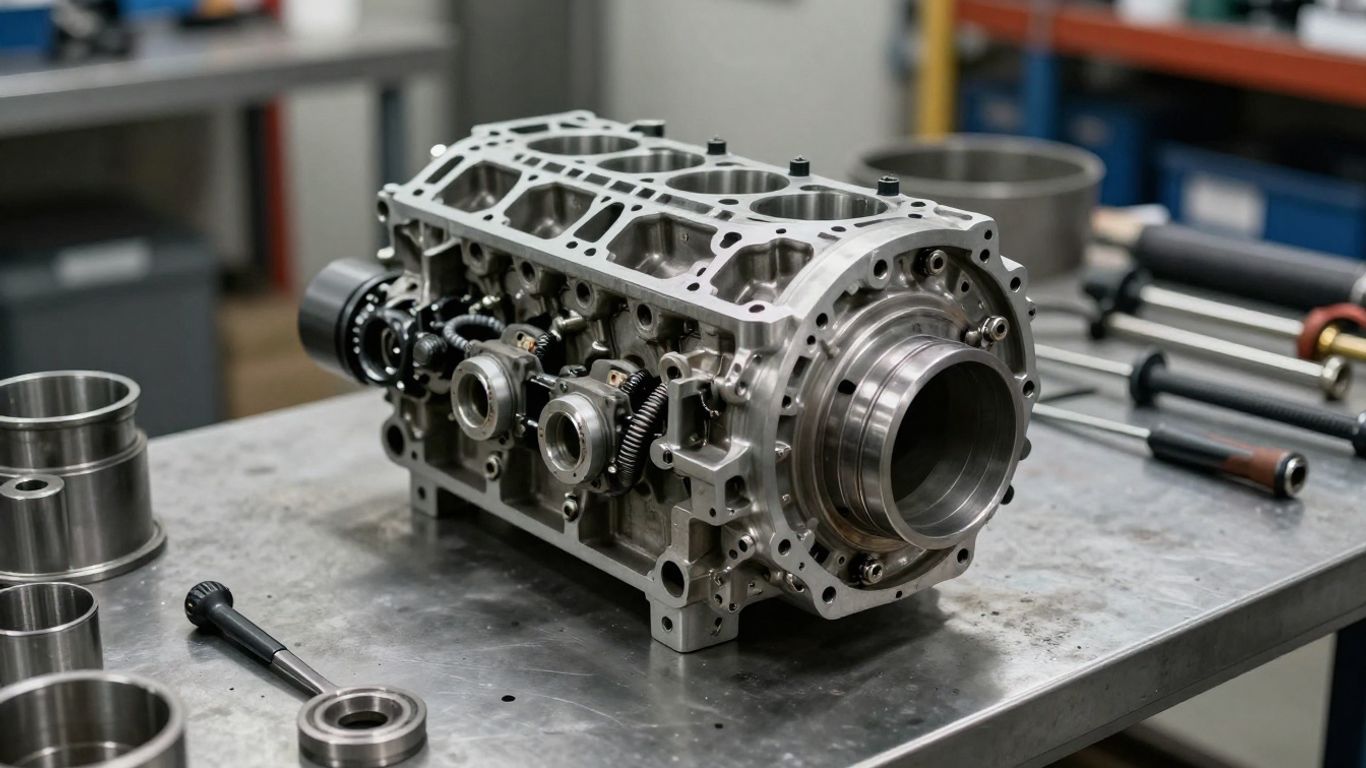
Choosing the right source for your replacement engine is critical for long-term health and reliability. You must choose between salvaged units, which are cost-effective but unpredictable, and units that have been handled by experts, like those found via MGOC Spares, who provide reconditioned engines suited for different tuning stages.
Benefits and risks of salvaged engines
Salvaged engines offer the lowest entry price but carry inherent risks regarding true mechanical condition. You might find a bargain at a local breaker, yet the lack of a comprehensive history means you could be buying a unit that requires significant internal work, potentially negating any initial savings.
Standards for remanufactured units
Opting for a professionally remanufactured unit, such as a factory service engine handled by Cabmasters, provides peace of mind. These units are typically rebuilt to original or better specifications, ensuring that internal clearances meet factory standards so you can rely on consistent everyday performance.
The process of professional engine rebuilding
Professional rebuilding involves meticulous tear-down, chemical cleaning, and precise measurement of all friction surfaces. Experts verify that blocks are square and cylinders are bored to correct tolerances, which effectively restores the engine to a state where it can operate with modern reliability expectations.
Sourcing OEM versus aftermarket components
While original equipment manufacturer (OEM) parts maintain originality, the market for aftermarket tuning components offers substantial improvements in heat tolerance and efficiency. Sourcing these through specialized catalogs like those at Moss Motors ensures you get components that fit correctly while enhancing the driving experience.
Breakdown of labor and mechanical expenses
Labor remains one of the most substantial portions of any major engine project. Beyond simple removal and replacement, specific mechanical tasks require dedicated focus from technicians who understand the nuances of classic British iron.
Calculating man-hours for engine removal and installation
Accurately forecasting the labor hours for an engine swap depends on accessibility and whether the transmission is pulled simultaneously. Experienced technicians follow a predictable, multi-step sequence during the swap process:
- Disconnecting the fuel, ignition, and cooling interfaces.
- Carefully extracting the engine and transmission as a single assembly.
- Transferring essential accessories and ancillaries to the fresh block.
- Performing a trial fit for mounting checks and fastener torque specs.
Once complete, the engine is ready for testing to ensure all linkages move clearly without binding.
Precision machining and sub-assembly labor
The costs here scale rapidly with the degree of machine work required for things like valve seats or crankshaft grinding. These tasks demand specialized equipment that typical garages might not possess, adding external machine shop fees to your overall project estimate.
Bench testing and post-installation validation
Bench testing the new engine before it fully integrates with the cabin controls helps identify early leaks or calibration errors. Professionals will typically monitor oil pressure and temperature gradients through several heat cycles, confirming that every sensor is reporting accurate metrics to the gauges.
Hidden shop fees and environmental disposal costs
Remember to account for shop supplies, fluids, and environmental disposal fees when finalizing your budget. Proper management of old oil, coolant, and metal parts can generate legitimate disposal expenses, which are often included as flat line items on professional repair invoices.
Supplemental parts and upgrades during replacement
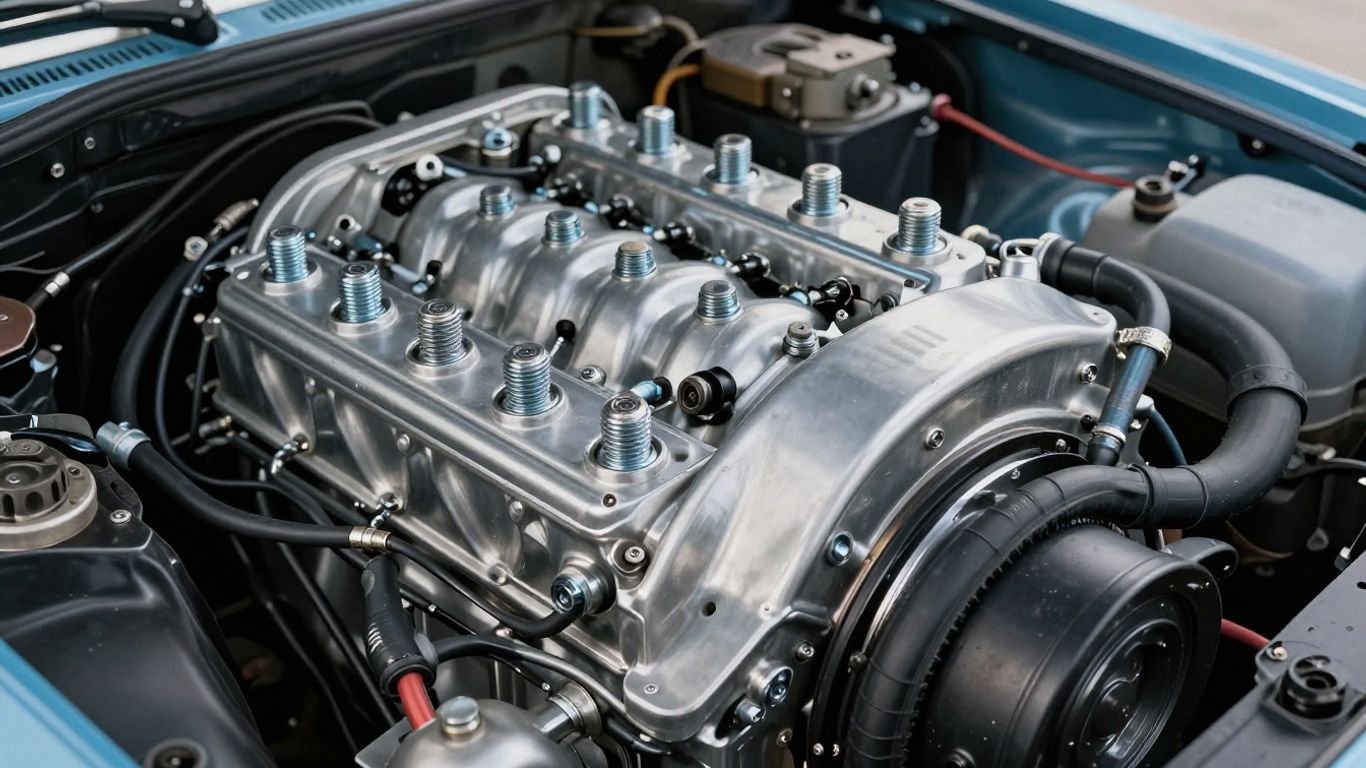
When the engine is removed, you have unmatched access to surrounding systems that are usually difficult to reach. Addressing these now saves hundreds in potential future labor costs if a minor peripheral part fails right after the major work is complete.
Essential cooling system and gasket replacements
Replacing aged rubber coolant hoses, water pumps, and radiator cores while the engine is out is simply good preventative maintenance. These components often degrade at the same rate as the engine, and modern, durable alternatives provide better cooling efficiency during high-temperature driving.
Upgrading performance components while the engine is out
Taking advantage of the situation to upgrade to a performance camshaft or an improved exhaust header can transform the car’s personality. Since the labor is already largely paid for during the engine removal, these additions are the most cost-effective way to boost output.
Replacing worn sensors and core ignition hardware
Modern sensors for coolant temperature or oil pressure offer superior feedback compared to the aged, often inaccurate units of the past. Updating your ignition hardware, such as a modern electronic conversion, improves starting reliability regardless of ambient weather conditions.
Evaluating the condition of transmission mounts and flywheels
Inspect the transmission mounts and flywheel for signs of fatigue or heat scarring before finishing the installation. A worn mount transmits excessive vibration through the chassis, while a damaged flywheel ruins the engagement feel of your clutch, effectively spoiling all that hard work on the engine.
Weighing the decision for professional installation
Deciding who performs the work is just as important as choosing the engine itself. Professional environments provide the equipment and safety standards needed to ensure a complex installation proceeds without causing damage to the chassis or the new powertrain.
Specialized tools required for chassis-specific engine swaps
Standard home toolkits often fall short when dealing with the tight engine bays and specific bolt patterns found in vintage cars. Specialized lift hooks, engine levelers, and precise torque drivers are necessary to avoid stripping threads or bruising the paint in cramped quarters.
Risks associated with DIY engine installation
Attempting a self-installation invites risks like incorrect timing intervals, missed vacuum leaks, or improper torque loading on critical fasteners. If the engine fails due to an installation error, the burden of rectifying that error rests entirely on the individual, often at a higher cost than the original professional estimate.
Value of warranties provided by professional service centers
Professional service centers often back their work with warranties that cover parts and labor should an unforeseen fault occur during the break-in period. Knowing that a shop stands behind their installation adds a layer of indirect value that is impossible to replicate in a home-garage setting.
Insurance implications for performance engine upgrades
Some insurance providers require notification regarding major performance modifications, as these changes might affect the risk classification of your classic policy. Ensuring your documentation clearly lists all upgrades is vital for maintaining coverage continuity for your vehicle.
Properly managing this bureaucratic aspect helps clarify ownership and ensures your total investment remains protected.
Maximizing the longevity of a replacement engine
Once the work is done, your behavior during the initial miles dictates the engine’s service life. Following professional guidelines prevents common early failures and ensures the rebuild reaches its projected mechanical potential.
Adherence to proper break-in procedures
Initial operation requires varying your engine speed and careful temperature management to seat piston rings and bearings correctly. Most builders provide a specific protocol for the first 500 miles, which is critical for helping the moving parts find their optimal running surface.
Tailored oil change and maintenance schedules
Early-life oil changes are more frequent than standard service intervals to flush out the infinitesimal metal shards created by the initial seating of internal components. Sticking to a rigorous, high-quality fluid schedule prevents premature wear of sensitive surfaces throughout the engine’s life.
Monitoring early signs of assembly or calibration issues
Keep a watchful eye on oil pressure consistency and vacuum levels during your first few weeks of driving. Minor inconsistencies often signal simple calibration issues that can be addressed immediately without needing to disassemble the major engine internals.
Maintaining documentation for future resale value retention
Record every receipt, maintenance log, and performance report in a systematic folder for future reference. Potential buyers viewing your vehicle in the future will appreciate seeing a clean history, which underscores your commitment to high-standard maintenance and helps retain the value of your initial investment.
Conclusion
Replacing an MG engine is a significant project that balances financial planning with mechanical ambition. By taking a methodical approach to sourcing parts, selecting professional support, and executing a disciplined break-in, you ensure that your vehicle remains both reliable and rewarding to drive for years to come.
Frequently Asked Questions
How often should I expect to replace an MG engine?
Most engines properly maintained with regular oil changes and mindful driving last several decades, assuming they are not subjected to chronic overheating or severe mechanical abuse.
Is it always cheaper to rebuild an old engine?
It depends entirely on the block’s current wear state; if the cylinder bores or crankshaft are destroyed, a replacement might be cheaper than the extensive precision machining required for a restoration.
What are the main signs that an engine needs replacing?
Common indicators include persistent low oil pressure, excessive blue smoke from the exhaust, audible knocking under load, or widespread coolant leaks that cannot be traced to a single hose.
Can I upgrade my MG engine during the replacement?
Yes, many owners take advantage of the removal process to improve performance with aftermarket cams, improved exhaust headers, or high-flow fuel delivery systems to boost drivability.
How do I choose between a used or remanufactured engine?
A used engine is an budget-friendly option for simple projects, while a remanufactured unit provides modern reliability, comprehensive warranties, and restored performance standards suitable for serious enthusiasts.
What is the typical break-in period for a rebuilt engine?
Most builders recommend specific procedures for the first 500 to 1,000 miles, which usually involve varying the engine speed and performing early, preventive oil changes.
Where can I find reputable MG engine parts?
Look for specialized suppliers that focus on British marques, prioritize high-quality replacement parts, and offer robust documentation to ensure your engine is rebuilt with industry-standard accuracy.