

Key Takeaways
Maintaining your classic or modern MG vehicle transmission requires specific attention to detail and proactive care to avoid expensive failure. Understanding the variables involved in service costs helps you budget effectively while ensuring your car remains roadworthy and reliable.
- Regular fluid checks and cooling system maintenance are critical to longevity.
- Complex internal repairs often require specialized diagnostic tools for modern systems.
- Deciding between repair and replacement hinges on your vehicle’s current market value.
- Working with certified import specialists ensures adherence to manufacturer standards.
- Proactive troubleshooting of warning lights can prevent more catastrophic mechanical damage.
Factors influencing MG transmission repair costs
Determining the total price of servicing your drivetrain involves evaluating several complex variables that can fluctuate based on the specific model year and your location. Owners often find that older, classic models demand different approaches than contemporary versions, primarily due to the availability of components and the mechanical simplicity involved. When the transmission is removed, technicians must assess the entire system, from seals to gear sets, creating a variable landscape for final billing.
Parts availability for vintage versus modern MG models
For older MGB or classic roadsters, sourcing replacement parts can sometimes involve hunting down rare components, which keeps costs high. Conversely, modern MG vehicles may rely on shared electronic modules that are easier to source but harder to sync with the vehicle’s computer. The difficulty here lies in ensuring that the parts align perfectly with the original engineering specifications for that production run.
Labor rate variations by geographic location
Technician rates fluctuate significantly depending on the local cost of living and the availability of specialized shops. Best Value Roofing & Construction serves communities where infrastructure costs vary, similar to how automotive repair markets fluctuate based on proximity to major cities. Urban centers with high demand for import repair often command higher hourly rates than rural shops.
Diagnostic time and complexity for computerized systems
Modern vehicles are equipped with complex electronic control units that require specific digital diagnostics before any mechanical work begins. Unlike older cable-linked transmissions, contemporary systems need comprehensive software scanning to pinpoint electronic faults. This digital troubleshooting often adds significant billable hours to your total MG transmission repair cost.
Severity of internal transmission damage
When evaluating the damage level, technicians consider whether the issue is simple seal degradation or catastrophic physical failure. To categorize the scope of these repairs, technicians often use the following metrics regarding service complexity:
| Service Type | Typical Scope | Complexity |
|---|---|---|
| Routine Fluid Change | Filter and oil swap | Low |
| Internal Rebuild | Component replacement | Medium |
| Total Overhaul | Full assembly replacement | High |
These tiers help owners understand how the depth of work directly impacts the final labor and material estimate provided by the facility.
Symptoms of transmission failure in MG vehicles
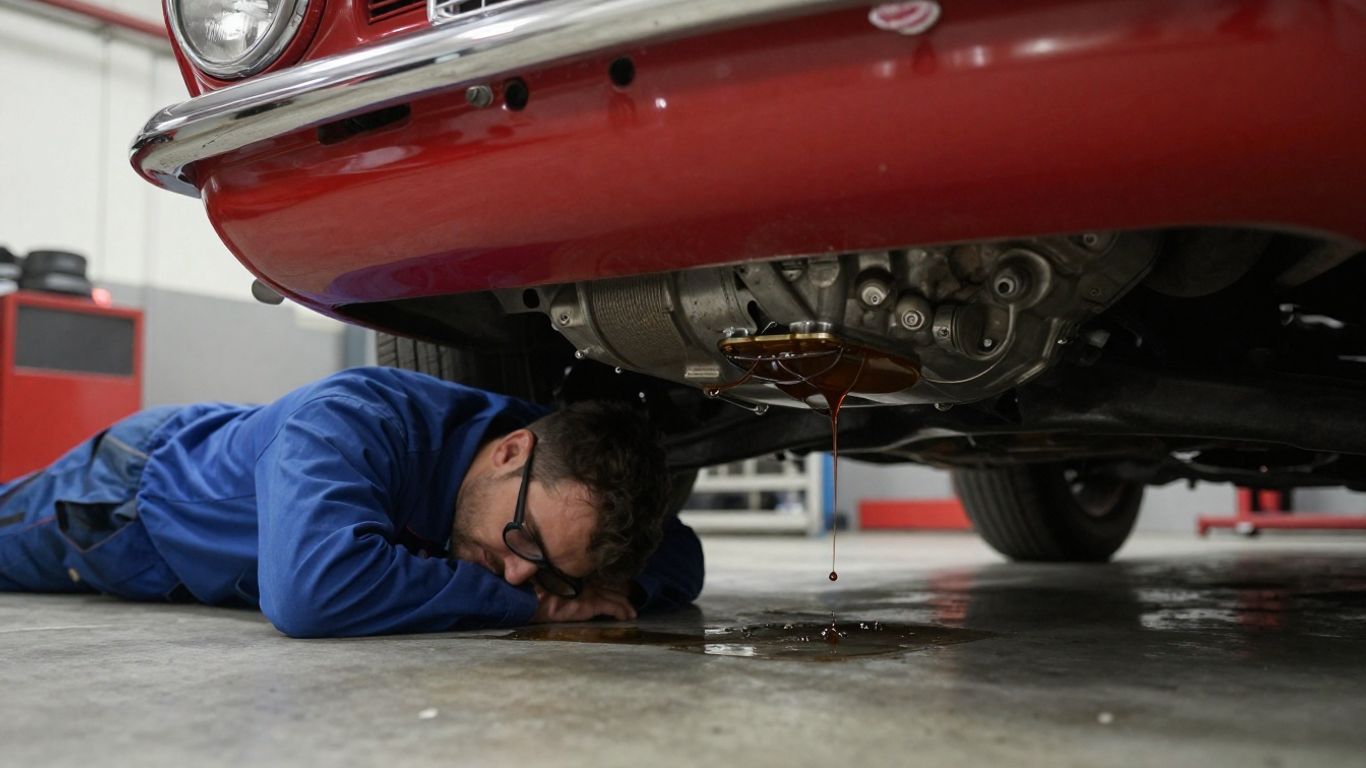
Recognizing the early warning signs of a failing drivetrain allows you to address problems before they escalate into complete failure. Often, these indications manifest as subtle performance shifts that many drivers might initially ignore. Monitoring your vehicle’s behavior daily is necessary for catching these issues while they are still in the early stages.
Identifying unusual grinding or whining noises
Uncommon sounds while accelerating or decelerating frequently point to worn bearings or damaged gear teeth within the transmission housing. High-pitched whining may indicate fluid flow restrictions, while a deeper grinding noise often suggests metallic debris is circulating through the gears. If these sounds become louder over time, they generally indicate worsening internal alignment issues.
Monitoring fluid leaks and transmission underbody stains
Transmission fluid is the lifeblood of the system, and even minor external leaks can cause the internal components to run hot and experience excessive wear. If you notice reddish or dark brown stains in your driveway, it is vital to inspect the seals located near the transmission pan and the output shafts of the vehicle. Addressing these leaks promptly prevents the type of heat-related failure discussed in resources like the Specialty Heating LLC guides on keeping mechanical systems efficient and preventing unnecessary breakdowns.
Recognizing shifting delays or gear slippage
When your MG hesitates for a second before engaging a gear, or if the engine revs without a corresponding increase in speed, the internal pressure systems might be struggling. Gear slippage often stems from low fluid levels, worn clutch packs, or faulty solenoids. Consistent issues during acceleration suggest that the transmission can no longer hold the engine load properly, necessitating a professional inspection.
Understanding dashboard warning lights and error codes
Modern vehicles utilize sensors to notify drivers of internal irregularities through the check engine or transmission warning lights. These codes provide a diagnostic starting point, pointing technicians toward specific electrical faults or hydraulic sensor failures. Ignoring these warnings can lead to the transmission entering "limp mode," which significantly limits vehicle utility.
Differences between manual and automatic transmission repairs
Manual gearboxes and automatic systems operate on fundamentally different mechanical principles, which drastically alters how they are serviced. While manual transmissions rely heavily on the driver’s engagement of a clutch, automatic systems are managed by sophisticated valve bodies and hydromantic pressure control. Understanding these distinctions helps owners anticipate which repair process is necessary for their specific drivetrain configuration.
Complexity of automatic valve body and torque converter issues
Automatic transmissions use complex hydraulic circuits to manage gear changes and power transfer via the torque converter. When these internal control units fail, the repair process is usually labor-intensive and involves precise calibration of hydraulic actuators. If you use a shop like Certified Transmission Santee, they can distinguish if your performance issues stem from these internal valves or from software-related sensor problems.
Clutch assembly replacement procedures for manual gearboxes
Manual transmission repairs often focus heavily on the friction surface wear of the clutch disc and the pressure plate assembly. Replacing these components is a standard service but requires removing the transmission from the engine block, which contributes to the labor costs. It is essential to resurface or replace the flywheel during this procedure to ensure a smooth, shudder-free engagement.
Hydraulic fluid pressure and seal requirements
Automatic transmissions operate at high internal pressures and rely on a series of rubber and polymer seals to hold that pressure. If these seals harden or crack, the transmission loses the ability to shift gears correctly, creating inconsistent performance. Maintaining optimal pressure is critical, which is why pressure washing the exterior environment of your professional shop’s area to keep debris away from sensitive components is a mark of a good mechanic.
Cost discrepancies between gear set repairs and planetary systems
Manual gear sets are generally more straightforward to replace individually, whereas automatic planetary gear systems are usually rebuilt as a unified block. The integration of modern technology requires careful planning for your wig styling or other aesthetic passions, but your car needs careful planning for its internal mechanical parts budget. The labor-intensive nature of rebuilding planetary sets makes them a significant investment, especially when factory-matched replacement components are required.
Repairing versus replacing an MG transmission
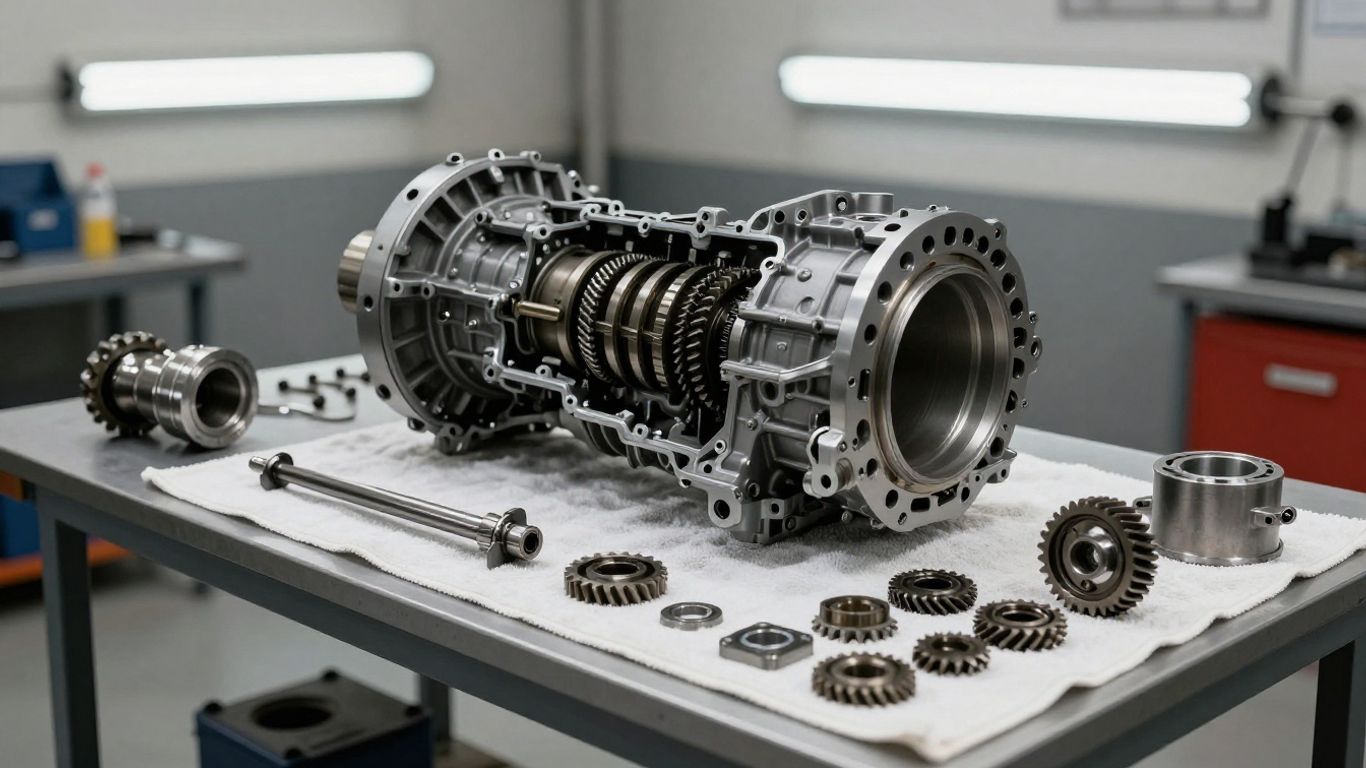
Choosing whether to repair or replace your transmission requires a balanced look at the fiscal reality of your vehicle’s overall worth and its future expected performance. This is the most difficult decision for many owners, as a full replacement can sometimes approach or exceed the trade-in value of the car. It is helpful to consider factors mentioned in general automotive guides like Mister Transmission when weighing the pros and cons of these paths.
Assessing the remaining total value of the vehicle
Before undertaking an expensive mechanical repair, research the current market price of your specific MG model with a functioning transmission. If the cost of the repair exceeds a significant percentage of this market value, replacement or sale might be a more logical fiscal strategy. Maintaining the long-term utility of the vehicle depends on this honest assessment of its residual equity.
Comparing comprehensive rebuild kits versus full assembly replacements
Rebuilding involves taking your current transmission apart and replacing all worn internal components, which keeps the original serial number matching your drivetrain. Full assembly replacement usually involves swapping your unit for a pre-built or factory-remanufactured transmission, which often comes with a more predictable outcome. The choice generally comes down to your preference for preserving existing components versus seeking the speed of a ready-made unit.
The role of reconditioned or salvaged parts in cost mitigation
Using reconditioned parts can lower your out-of-pocket costs without sacrificing performance, provided the donor parts are high-quality. Salvaged components from reputable suppliers can be a lifeline for owners struggling with the high costs of new, factory-certified parts for older vehicles. Careful inspection of these salvage parts is a prerequisite, as you want to ensure they carry minimal operational history.
Warranty coverage implications for rebuilds and factory replacements
Factory replacements almost always come with robust, nationwide warranty coverage that provides peace of mind on long road trips. Rebuilds depend entirely on the individual shop’s warranty policy, which can range from just a few months to several years. Always clarify the specific terms of the coverage before committing to a final repair plan for your vehicle.
Finding reliable repair shops for MG vehicles
Finding a facility that can properly service your MG requires more than just searching for any local garage. You need a partner that understands the nuances of the brand and has the appropriate technical documentation for your model year. Following specific steps helps narrow the search to experts who prioritize your car’s longevity.
Qualifications to look for in independent European import specialists
Seek out facilities that explicitly specialize in European imports and have documented experience with your specific MG model. These shops often have unique access to factory repair manuals and historical technical bulletins that are critical for accurately diagnosing older drivetrain issues. Experience with classic mechanical components is as important as the ability to handle modern computerized systems.
Utilizing owner forums for verified service recommendations
Dedicated MG enthusiast communities are often the best resource for finding honest, high-quality shops near you. Members of these forums frequently share their personal experiences with specific service centers, helping you avoid bad actors while identifying experts who have earned the community’s trust. You will find that these recommendations are often more reliable than generic online reviews.
Identifying red flags in transmission service quotes and estimates
Be wary of shops that provide suspiciously low quotes or refuse to explain the breakdown of parts versus labor costs. A professional technician should be able to account for every hour and every components fee listed on your estimate before any physical work begins. Key steps for selecting a responsible repair facility include:
- Confirm the technician is trained for European transmission systems.
- Request a written guarantee for all labor and parts installed.
- Check for specific certifications in automotive electrical diagnostics.
- Ask about the turnaround time for common transmission adjustments.
These four points provide a framework for vetting a shop that is genuinely focused on long-term repair reliability.
Importance of technician access to manufacturer-specific diagnostic tools
Access to proprietary diagnostic software allows for a deeper level of investigation into the car’s systems than generic tools can provide. Without this link to the vehicle’s computer, technicians may struggle to find intermittent electronic gremlins that affect how your MG shifts. Always ensure that the facility you select maintains current diagnostic technologies for your specific model year.
Essential maintenance to prevent costly repairs
Proactive care is the single most effective way to minimize the long-term expense of your vehicle’s drivetrain. By adhering to a consistent maintenance schedule, you can catch minor issues before they compound into massive failures. Regular care also improves your vehicle’s performance and fuel efficiency over the span of its operational life.
Recommended fluid change intervals for specific MG transmissions
Every transmission type has a specific fluid degradation profile based on its design and the conditions in which it operates. Sticking to the manufacturer’s suggested interval for fluid and filter swaps is the best way to keep internal components lubricated and cool. Neglecting this simple act leads to grit buildup within the fluid, which then acts like sandpaper on your gears.
Cooling system health and its effect on transmission thermal safety
Because transmissions generate immense heat, the vehicle’s cooling system often plays double duty in keeping this heat from overwhelming the transmission fluid. A failing radiator or restricted cooling lines can force the transmission to operate at temperatures that accelerate seal hardening and material fatigue. Keeping the thermal management system in peak condition is vital for preventing systemic component failure.
Assessing driving habits that contribute to premature component wear
Aggressive driving, such as heavy acceleration from a standstill or frequent towing beyond the vehicle’s rating, creates significant thermal loads on your transmission. Modifying your driving style to be smoother and more consistent pays off in fewer visits to the repair shop. Being mindful of how your car reacts during common driving scenarios helps you avoid the stress that induces premature wear.
Routine physical inspections of linkage, bushings, and external seals
Regularly checking the underside of your vehicle for signs of wetness or dry-rotted rubber bushings allows you to see trouble on the horizon. Catching a cracked seal early is a simple, inexpensive maintenance task, but waiting until the fluid is gone usually leads to a complete rebuild. A quarterly inspection schedule is a small effort that effectively safeguards your investment.
Conclusion
Proper care of your MG drivetrain is an ongoing process rooted in understanding how every component interacts under various driving stresses. By maintaining a schedule of fluid changes and listening to your vehicle for subtle performance warnings, you can enjoy these classic or modern vehicles without the burden of sudden, large repair costs. Should issues arise, working with the right specialists and prioritizing accurate diagnosis over quick fixes ensures your MG stays on the road for years to come.
Frequently Asked Questions
How often should I change MG transmission fluid?
Most guidelines suggest a service window between 30,000 and 60,000 miles, but this can vary depending on your specific model year and your typical driving environment.
Is it common for older MG transmissions to whine during acceleration?
It is common, but it often indicates that the internal bearings are wearing out, which should be inspected by a technician to determine if immediate repair is necessary.
What does it mean if my check engine light relates to transmission codes?
It typically signifies that the transmission control unit has detected an electrical fault or an inconsistent sensor reading that requires a thorough digital scan to resolve.
Can I continue driving if my transmission shows minor slippage?
It is strongly discouraged because minor slippage often indicates that internal clutch packs are burning, and continuing to drive will lead to faster, more catastrophic mechanical failures.
Are reconditioned transmissions a safe choice for my vehicle?
Yes, reconditioned units can be highly effective if they come from a reputable shop that provides a solid warranty and documents the extent of the refurbishment.
Does aggressive driving automatically disqualify me from warranty coverage?
Most warranties require the vehicle to be used for normal street driving; however, you should always review the specific terms of your agreement to see what activities or use cases are explicitly restricted.
How do I find a technician who works specifically on classic MG gearboxes?
Look for independent import specialists found through active owner enthusiast clubs or forums, as these networks provide the most reliable recommendations based on real-world owner experiences.