

Key Takeaways
Staying informed about your vehicle’s protection is essential for long-term ownership security in Australia. These five points summarize the core aspects of maintaining your manufacturer coverage.
- Regular logbook servicing at authorized centers is required to maintain full warranty potential.
- Understand that wear and tear items are specifically excluded from long-term coverage.
- Retail vehicles often follow different usage terms compared to commercial fleets.
- Keep detailed service records to streamline any future claims processes.
- Changes in policy, such as tiered warranty structures, may impact your specific vehicle registration date.
Overview of the MG 7-year warranty in Australia
When you purchase a new vehicle, understanding the manufacturer’s backing is a foundational step in your ownership experience. In Australia, the MG Warranty framework provides support against manufacturing defects, ensuring that your vehicle remains reliable during its early years of operation. Familiarizing yourself with these terms allows you to better manage your vehicle’s maintenance and long-term protection.
Scope of the manufacturer warranty
The reach of a manufacturer guarantee typically covers components that fail due to faults in material or workmanship during normal driving conditions. It does not act as a catch-all for every repair, focusing instead on items that should perform consistently without failure for the specified duration.
Timeline and distance limitations for retail vehicles
For most private buyers, the standard coverage period is 7 years with unlimited kilometers, though recent MG Australia factory warranty shifts mean it is vital to check your specific registration date. These metrics define the absolute ceiling for coverage, after which the manufacturer is no longer responsible for repair costs.
Transferability of the warranty to subsequent owners
If you decide to sell your vehicle before the seven-year term expires, the remaining protection stays attached to the car, not the individual. This transferability can be a point of value for second-hand buyers, provided the maintenance schedule has been strictly observed throughout the vehicle’s life.
Differences between private and commercial use coverage
Vehicles utilized for ridesharing, rentals, or taxi services often face distinct limitations compared to those used solely for personal transport. You should review how your specific usage category influences the total kilometer cap or time duration before assuming standard retail terms apply.
Scheduled service requirements for warranty validity

Maintaining the legitimacy of your coverage requires intentional effort regarding service intervals. When you miss or postpone these essential check-ups, you risk voiding the protections promised by the company, as preventative maintenance is the primary defense against premature mechanical failure.
Strict adherence to the manufacturer’s logbook schedule
Your owner’s manual outlines specific tasks that must be performed at set time or distance markers. Following this guide ensures that your vehicle receives necessary inspections designed to catch issues before they escalate into major repairs.
Documentation requirements for proof of service
Every time you visit a shop, you must ensure that your service record is signed and stamped. Just as you might Learn how to write a professional invoice with our step-by-step guide to manage business payments accurately, organizing your digital and physical receipts creates a paper trail that simplifies proving your compliance.
Consequences of missing or delaying a scheduled service
Failing to meet these deadlines can leave your vehicle unprotected when you encounter a genuine factory-side defect. The manufacturer relies on the logbook to confirm that the car was looked after according to engineering standards, and omissions create gaps in that history.
Importance of using genuine MG parts versus approved aftermarket components
Using authorized parts is a standard practice to confirm that your vehicle’s sub-assemblies function exactly as designed. While it may feel tempting to seek cheaper alternatives, using components that do not meet factory specs can jeopardize your claim if those parts contribute to a broader mechanical failure.
Understanding wear and tear and what is excluded
It is common to find that certain parts of a vehicle are engineered to perish or degrade based on regular use, such as tires, brake pads, and wiper blades. These components are rarely protected under a standard failure-against-defect model because they are designed to be replaced periodically by the owner.
Definition of normal wear and tear items
Items like brake discs and clutch plates undergo significant friction, which naturally exhausts their useful life over time. You should treat these as recurring operational costs rather than defects that a manufacturer should cover.
Specific exclusions for consumables and internal trims
Interior materials like seat fabric or dashboard plastics have specific durations where they are considered ‘new’ before environmental exposures take a toll. Once these periods pass, any cosmetic degradation is typically classified as regular aging rather than a manufacturing error.
Impact of vehicle modifications or non-approved aftermarket accessories
Adding non-factory equipment, especially regarding electrical systems or engine performance, can be a complex issue for claims. These modifications often create new stress points or system conflicts that the original engineering was not meant to withstand, often invalidating coverage for related components.
Guidelines regarding battery health and regenerative systems
Battery performance is subject to environmental conditions, and manufacturers set specific expectations for how these should be maintained. Regularly checking your charge levels, as you would use a Master IELTS Speaking Part 1, 2, and 3 for a Band 7 score strategy to perform well under assessment, can help you detect anomalies in battery health before they become severe.
Navigating the dealership versus independent mechanic dilemma
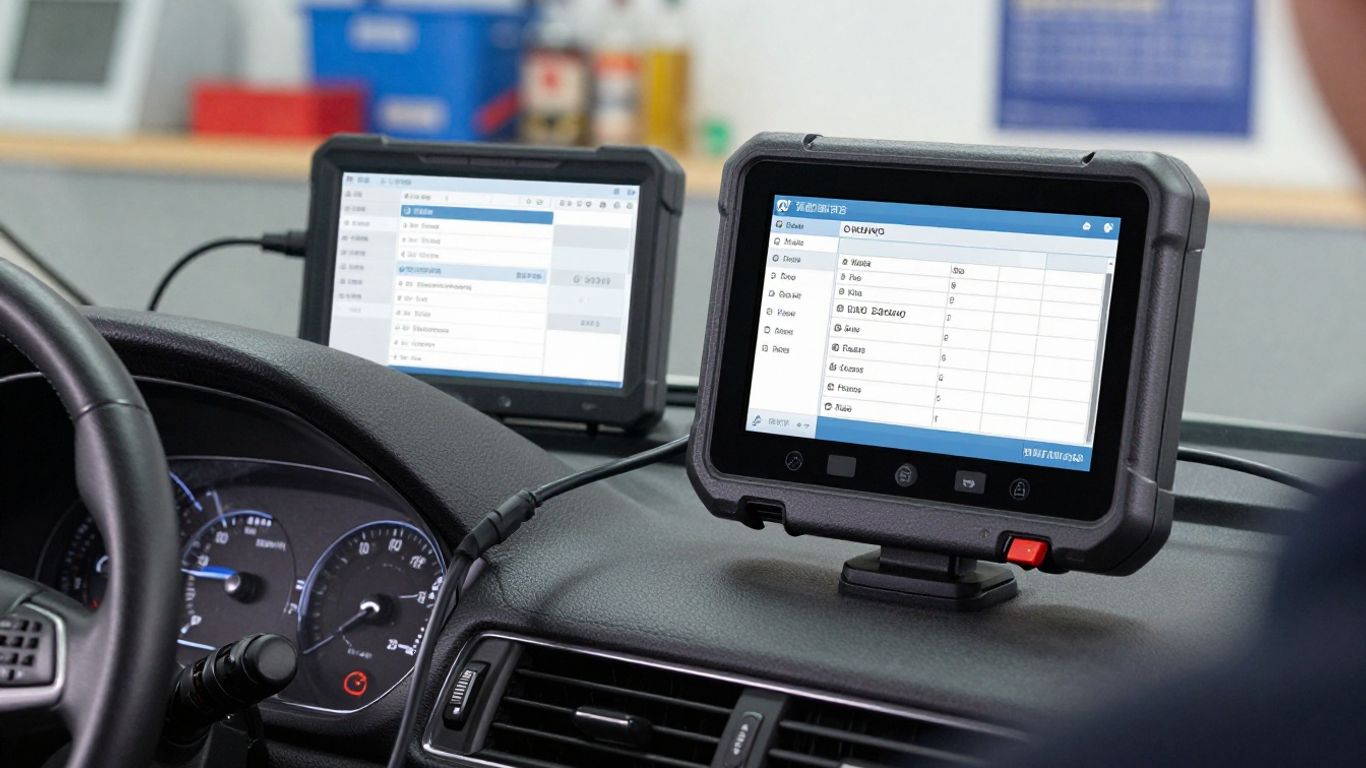
Choosing a repair facility is a choice between convenience, cost, and warranty protection. Recent policy updates have highlighted the importance of being aware of how your choice of mechanic impacts the total years of coverage you might be eligible for under a new two-tier warranty structure.
ACCC guidelines on repairer choice and consumer rights
Australian consumer law generally supports your right to choose where your car is serviced, provided the technician is qualified and follows the correct manufacturer specifications. However, this does not explicitly guarantee you protection against manufacturer requirements for extended coverage tiers.
Proving that independent work meets manufacturer specifications
If you use an independent shop, you must be prepared to provide detailed evidence that they used correct parts and fluids. This involves keeping meticulous notes and invoices; you might even find Master Answer Engine Optimization (AEO) with our step-by-step guide helpful as a reference for structuring digital information and evidence for later audit.
Potential risks of using non-authorized repair shops
While authorized centers have direct access to proprietary updates and specialized tools, independent shops may not. This difference can matter if a complex diagnostic task requires equipment only found at an official site, potentially leading to delays in your repair process.
Importance of documenting the use of original equipment manufacturer fluids and parts
Your records must explicitly show that the correct viscosities and specifications were used during any service event. Here is a summary of how these choices can affect your vehicle:
| Item | Authorized Center | Independent Shop |
|---|---|---|
| Diagnostic Tools | Proprietary | Generic |
| Parts Quality | OEM Factory | Equivalent |
| Policy Compliance | Guaranteed | Provisional |
Keeping this detail clear is essential, similar to how one might Protect your privacy by learning to navigate the world of hidden cameras by documenting every suspicious find in a potential rental stay.
How to make a successful MG warranty claim
Successfully managing a claim requires clear communication and a proactive mindset. Approach the process as a collaborative effort with your dealer, ensuring that both parties have the data required to verify the fault internally.
Gathering necessary evidence, receipts, and photographic proof
Before you reach out for help, compile all service logs and take clear photos of the problematic area. This preparation acts like how you would Navigate your therapy journey for lasting benefits by maintaining a steady record of your progress and challenges for clearer communication with your care provider.
Initiating the claims process through an authorized MG service center
Your first step should always be an official dealer portal where your claim can be officially logged. From here, follow these steps to ensure you remain fully proactive throughout the lifecycle of the request:
- Contact your local dealer service desk immediately upon noticing the fault.
- Request a formal inspection and a written assessment of the issue.
- Keep copies of every email and document sent to the manufacturer.
- Follow up by phone if you have not received a status update within one week.
Expectations for communication and processing timeframes
Processing times can vary depending on parts availability and the complexity of the fault. You should expect an initial evaluation period followed by a confirmation of whether the repair is considered a covered manufacturing defect, at which point service schedules can be coordinated.
Advocating for consumer rights under Australian Consumer Law
Should you feel a decision is unjust, remember that you have legal channels for advocacy. Consumers possess rights that operate alongside manufacturer promises, providing a secondary layer of protection for significant issues.
Updates to MG warranty policies and tiered coverage
Policy shifts are a reality of the automotive sector, and staying current with these changes prevents surprises during your ownership. Whether the policy moves toward a flexible tiered model or rigid standard limits, being aware of these shifts allows you to adjust your maintenance strategy accordingly.
The implications of the two-tier warranty strategy
Tiered structures usually reward owners who stay within the official dealer network by offering extended duration or kilometer limits. This strategy intends to keep the vehicle history consistent and traceable through a single channel.
Distinctions between retail, fleet, and rental vehicle conditions
Fleet operators often negotiate different terms that do not apply to private individuals. Understanding the exact classification of your purchase ensures you are basing your repair expectations on the correct warranty documentation.
Clarifying the terms of promotional warranty extensions
Promotional offers act as temporary boosts rather than permanent policy features, meaning they often come with specific eligibility criteria. Check if your purchase was part of a limited campaign to ensure you have met the necessary usage or maintenance thresholds.
Where to access the most current policy documents and legal disclosures
Always visit the official manufacturer website for the most recent legal disclosures.
Conclusion
Navigating your maintenance and warranty commitments in Australia is a manageable process when you remain diligent about service history and record-keeping. By respecting the logbook schedule and communicating clearly with authorized repair centers, you set yourself up for a long ownership period and benefit from the full depth of your manufacturer’s support.
Frequently Asked Questions
Does standard wear and tear count as a defect?
No, components designed to degrade through use, such as brake pads and wiper blades, are generally excluded from warranty protection.
Can I void my warranty by using an independent mechanic?
Using an independent mechanic does not automatically void your warranty, but it may disqualify you from specific extended warranty tiers that require dealer-only servicing.
What happens if I miss a service interval?
Missing or delaying a scheduled service can invalidate your warranty, as the manufacturer may be unable to verify that the car has been maintained correctly.
Does the warranty transfer to a new buyer if I sell the car?
Yes, the coverage remains with the vehicle, meaning a new owner can continue to benefit from the balance of the remaining time and distance terms.
Are battery systems covered in the same way as mechanical parts?
Batteries are often subject to different guidelines regarding health and charging patterns, so you should check your specific owner’s documentation.
Do ride-sharing vehicles receive the same warranty as private cars?
Commercial use, including ride-sharing or rentals, typically falls under a different set of definitions and usually has shorter limits than private retail vehicles.
Are cosmetic issues like paint defects covered?
Paint and anti-perforation issues generally have their own distinct coverage periods that may be shorter than the comprehensive mechanical warranty.