

Key Takeaways
Navigating the world of spare components requires a balance of quality, source, and compatibility verification to keep your vehicle in top condition.
- OEM parts offer factory specifications, while aftermarket items provide cost-effective alternatives for non-critical repairs.
- Establishing a relationship with reputable Australian suppliers ensures faster shipping and reliable warranty support for your build.
- Always verify your specific model year and chassis number before ordering to avoid fitment issues with imported or local parts.
- Documenting every installation or part replacement serves as crucial proof for warranty claims and future vehicle valuation history.
- Professional advice before purchase can prevent expensive mistakes, especially when retrofitting modern components into classic platforms.
Understanding the aftermarket landscape for MG vehicles
Transitioning from routine servicing to full restorations often involves deciding how best to source components that keep your car roadworthy. Understanding the market allows owners to make informed choices based on availability and specific performance requirements.
The difference between OEM and aftermarket components
Original Equipment Manufacturer (OEM) parts are those produced to the precise standards of the vehicle manufacturer. These parts are often reliable but can carry higher price tags. In contrast, aftermarket components are developed by third-party suppliers who build parts intended to match or improve upon original factory performance. Reliable suppliers like Rimmer Bros provide helpful catalogs that delineate which options best suit your specific needs.
Benefits of choosing aftermarket for vintage versus modern MG models
When restoring a classic model, aftermarket components often bridge the gap created by discontinued original parts. Many enthusiasts look for high-performance upgrades, such as specialized suspension kits, to enhance durability on Australian roads. For modern models, aftermarket parts—which can be accessed through stores like My Auto Parts—frequently provide a more affordable, widespread availability for standard wear-and-tear items.
Reliability and quality standards in the Australian market
Quality varies across the market, so discerning the difference between generic manufacturing and certified, high-grade parts is key. Enthusiasts often look for established distributors that vet their inventory for safety and performance. As you consider your options, you might look at findings similar to how professionals generate high-converting Washington real estate leads, focusing on highly targeted and verified information paths to ensure consistency in performance.
Where to buy reliable aftermarket MG parts in Australia
Sourcing components efficiently involves assessing local inventory versus international shipping logistics. Many Australian owners have moved to online platforms to simplify the process of gathering parts without needing to visit physical warehouses.
Evaluating specialized online MG parts retailers
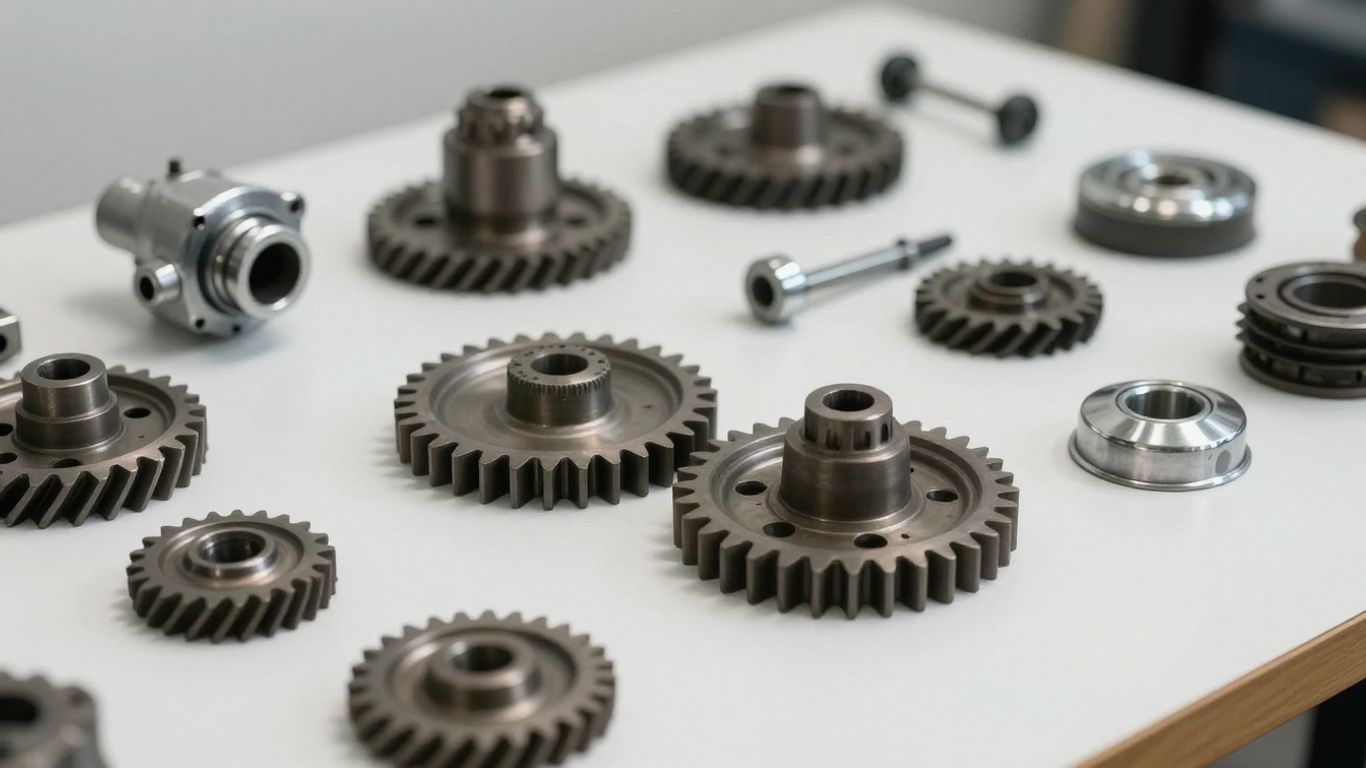
Selecting a retailer with deep institutional knowledge is essential for classic Marque care. Many specialized retailers offer expert guidance, acting as consultants rather than just stockists. For example, MG Sales & Service provides a broad range of options, helping you identify if a part is suitable for your exact engine configuration and model year.
Assessing local automotive supply chains and independent warehouses
Local warehouses contribute to reduced turnaround times significantly. Having parts physically inspected by a supplier ensures better outcome control. Consider these common sources when building your maintenance strategy:
| Source Type | Advantage | Best For |
|---|---|---|
| Specialized Local Retailers | Expert guidance and fast support | Engine and critical mechanical parts |
| Independent Warehouses | Wide inventory and competitive pricing | Standard service items and consumables |
| Online Marketplaces | Global reach and rare finds | Discontinued trim or aesthetic pieces |
Accessing reliable components from these providers minimizes downtime, ensuring your vehicle spends more time on the road rather than on the workbench.
Pros and cons of importing versus domestic sourcing
Importing parts from global sites can sometimes expose owners to specialized, rare stock unavailable domestically. However, domestic sourcing remains the preferred route for many because it eliminates shipping delays and simplifies return processes under local law. We recommend prioritizing domestic shipping whenever the quality tier is comparable.
Ensuring compatibility and fitment
Correct fitment is the most critical aspect of vehicle restoration that many beginners overlook. A part might look identical at a glance but lack the precise tolerances required for optimal operation.
Identifying your specific MG chassis and model code
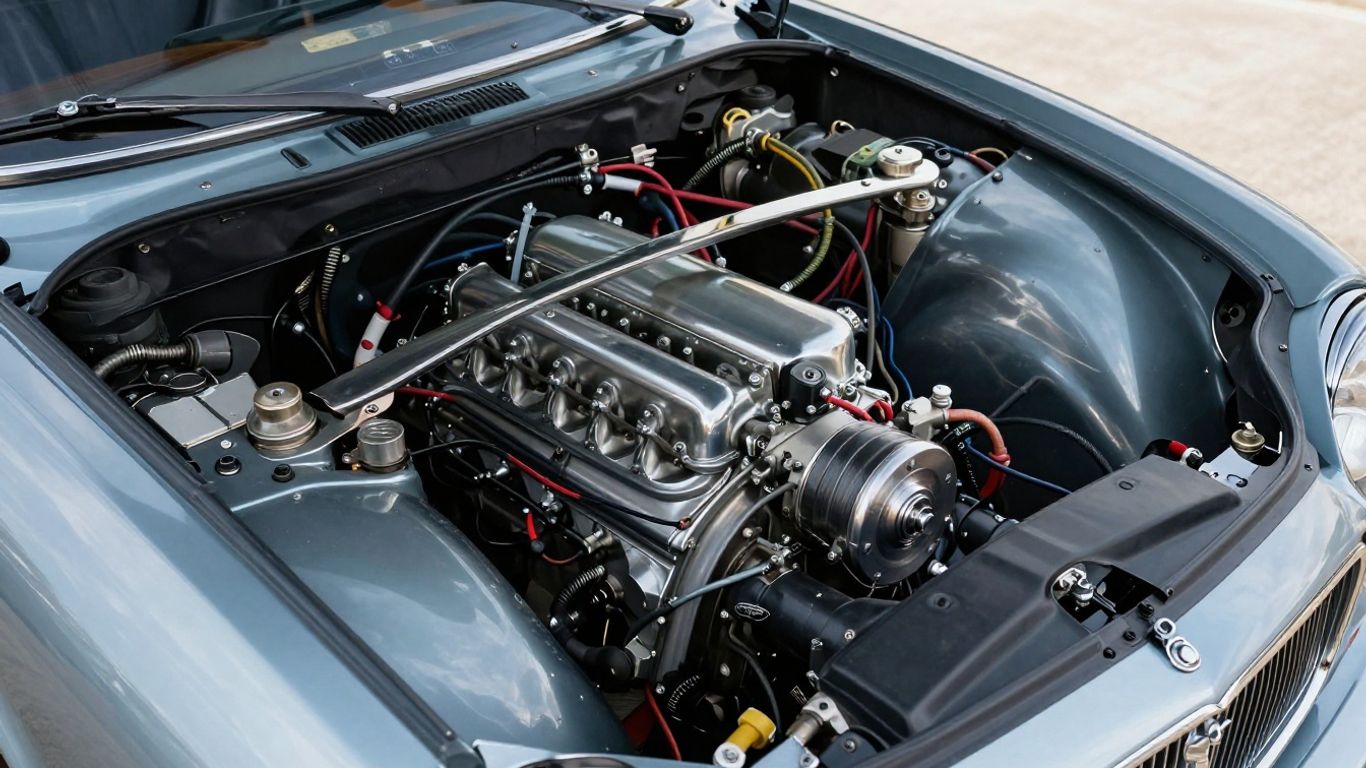
Before selecting anything, verify your chassis number and model year. Different production dates, even within the same series, can feature subtle mechanical changes that affect how components mount. Cross-referencing these codes is the first line of defense against compatibility errors.
Using part documentation to verify specification alignment
Always consult official maintenance manuals or reliable supplier catalogs to check part specifications. Vendors such as MG spare parts provide kit documentation that helps verify alignment requirements. Carefully reviewing build sheets ensures you are ordering for the exact engine size and braking system present on your specific vehicle.
When to request professional installation advice before purchase
There are times when a component’s fitment complexity exceeds standard DIY expectations. Engaging a professional mechanic early on can save you from purchasing incompatible hardware. Consider reaching out to your local shop if you are planning major modifications like suspension or brake conversions.
Navigating warranties and returns
Understanding the legal framework surrounding your purchase is just as important as the part itself. When you buy from an Australian retailer, you have rights that protect you from faulty or misdescribed goods.
Understanding consumer guarantees under Australian law
Under Australian consumer law, goods must be fit for their intended purpose and free from defects. When you work with a vendor like HCL, you can often clarify if the product is covered by a standard warranty, an essential layer of security for higher-cost items.
Documenting installation records for warranty validation
Maintaining clear installation records is the best way to leverage warranty protections effectively. If a failure occurs, having a professional invoice or a log of the install date proves that the part was handled according to manufacturer guidelines. Keep these records as a standard operating procedure for every repair:
- Take photos of the component in its original packaging immediately upon arrival.
- Retain all purchase invoices detailing the date and vendor information.
- Note the exact mileage when the part was first installed on the vehicle.
- Save any technical specifications or fitment notes provided in the box.
Handling complex return processes for international shipments
If you must order from outside Australia, verify the return policy before placing the order. International logistics can make returning ill-fitting parts expensive and time-consuming. Always opt for tracked, insured shipping labels when navigating cross-border returns.
Maintenance tips for aftermarket components
Aftermarket components often require more proactive monitoring than factory equivalents. Establishing a routine helps ensure these parts do not degrade before their expected lifespan.
Creating a regular inspection schedule for high-wear parts
Create a schedule based on your typical usage patterns. Parts like brakes, suspension bushings, and cooling system hoses should be checked during every oil change. Early identification of wear is the best way to prevent secondary damage to surrounding components.
Monitoring performance differences compared to original factory components
Pay attention to how your vehicle handles after new parts are added. If you notice steering quirks or increased noise after suspension work, investigate the fitment immediately. Small performance anomalies often indicate that a part is not seating or moving in the exact way intended for your vehicle’s specific geometry.
Maintaining service records for long-term resale value preservation
Keeping comprehensive service records is vital for preserving the value of your vehicle. Future buyers appreciate knowing exactly when and what aftermarket parts were installed. A well-documented history shows that the vehicle was maintained with care, regardless of whether the parts used were original factory units or premium aftermarket alternatives.
Conclusion
Successfully sourcing aftermarket components involves careful research, consistent documentation, and building relationships with knowledgeable Australian suppliers. By verifying your specifications against factory standards and keeping a robust service history, you ensure your vehicle remains both reliable and enjoyable, bridging the gap between historical character and modern usability.
Frequently Asked Questions
What are the main risks of buying non-genuine parts?
Non-genuine or counterfeit parts may have poor material quality or incorrect dimensions, leading to premature failure or safety hazards. Always source from retailers with verified inventory to avoid these risks.
How can I check if a part fits my exact MG model?
Comparison of the chassis number, production year, and original vendor part codes against the retailer’s compatibility lists is the most accurate way to verify a match before you commit to the purchase.
Why does the same part vary significantly in price online?
Price variations often reflect differences in manufacturing standards, material grades, and the inclusion of verified warranties by the seller. Look for reputable brands or distributors to ensure you are getting value for your money.
Are aftermarket parts covered by standard warranties?
Yes, reputable Australian sellers provide consumer guarantees on their parts. Always request or look for the retailer’s warranty documentation before completing your purchase to understand the duration and coverage of that guarantee.
What should I look for in a local Australian parts supplier?
Key indicators include a long-standing history, deep technical expertise regarding the specific marque, responsive customer service, and transparent return policies that comply with local consumer protection laws.
Can I install performance aftermarket parts on a stock engine?
Installing performance parts on a standard engine is possible, but you must ensure the additional load or output is within the design limits of the original cooling and drivetrain components to prevent potential failure.
Should I keep my original factory parts after an upgrade?
It is generally recommended to store original components, especially for classic restorations. Having the original items helps with future resale value and provides a reference during future troubleshooting or repairs.