

Key Takeaways
Proper care for your vehicle’s thermal management ensures longevity and reliability during spirited drives. These points summarize the essential practices for keeping temperatures steady and engine components protected.
- Perform regular inspections of coolant levels and hose integrity.
- Flush the cooling system to prevent sediment accumulation.
- Use the correct corrosion-inhibiting coolant for older cast-iron blocks.
- Monitor your temperature gauge closely during slow-moving traffic conditions.
- Replace aged rubber components to avoid unexpected roadside failures.
Understanding the MG cooling system architecture
The design evolution of the MG cooling circuit
Classic British automotive design often reflects a specific engineering philosophy focused on lightweight simplicity. The cooling circuit in these vehicles was originally intended to handle temperate climates, ensuring that the engine remained within a safe operating window without excessive mass. As driving habits have changed, many owners find that understanding this original design is the first step toward keeping your classic British motor running cool.
Differences between early and late model MG systems
There are distinct variations in thermal management between initial production cycles and later models that catered to larger export markets. The classic MG cooling systems evolved as bumper designs and engine outputs shifted, often requiring different radiator capacities or airflow paths. Adapting to these subtle differences helps owners tailor their maintenance approach to their specific model year.
Identifying key components like the water pump and thermostat
Every cooling system hinges on a few mechanical heartbeats: the pump and the valve. The water pump forces coolant through the block, while the thermostat acts as a gatekeeper that ensures the engine hits operating temperature before cycling fluid to the radiator. Regularly verifying these items are functional is part of the Monthly Maintenance ritual for any dedicated enthusiast.
Routine maintenance tasks for optimal performance
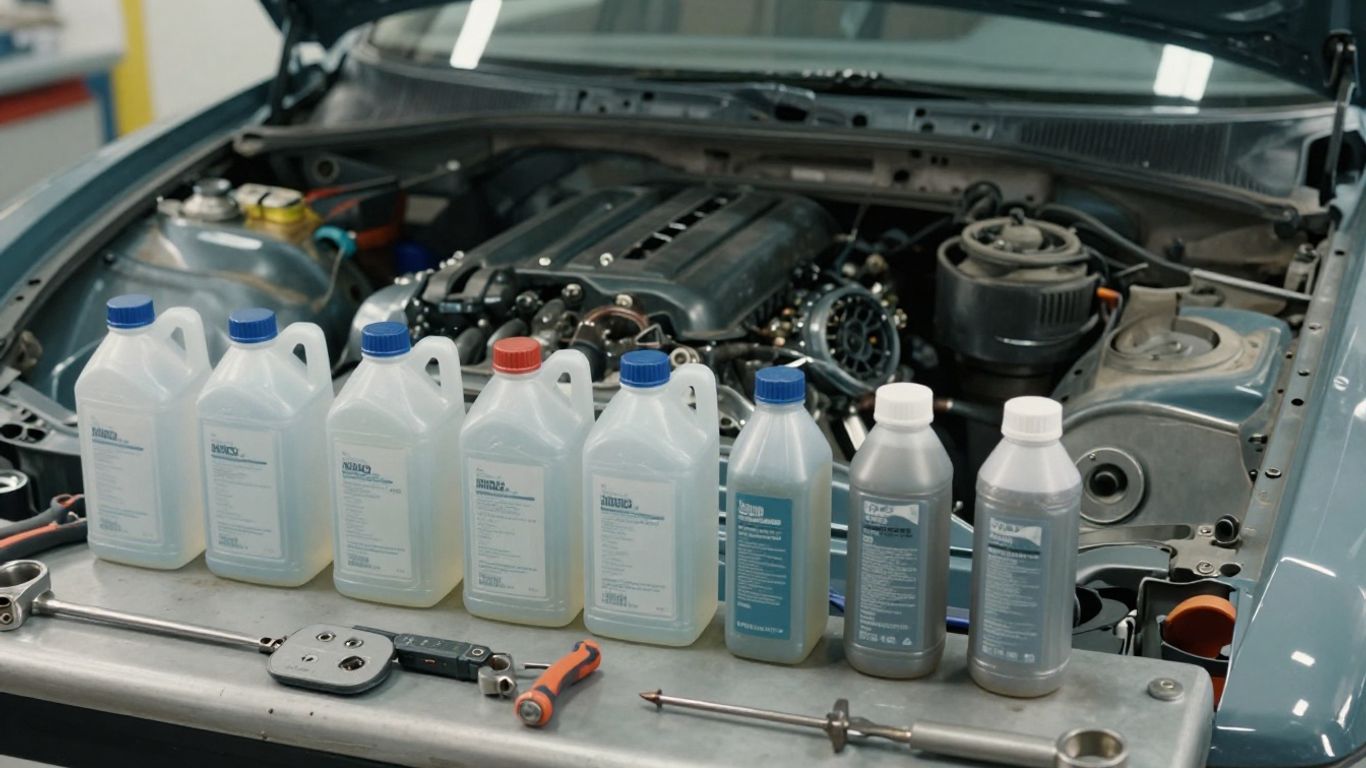
Checking fluid levels and color clarity
Maintaining the correct balance of fluids is an essential part of MG cooling system maintenance that should never be ignored. Coolant serves double duty, preventing both freezing and boiling while inhibiting internal corrosion across your engine blocks and cylinder heads.
Inspecting hoses for signs of wear, cracking, and swelling
Rubber hoses are often the unsung victims of aging and constant pressure. Owners should perform a tactile inspection to identify potential failure points before they become actual leaks during a trip.
Essential hose inspection steps include:
- Check for visible cracks or dry rot on outer surfaces.
- Apply light pressure to feel for soft, spongy sections.
- Verify the seal at connecting points for any weeping fluid.
- Replace any line that shows signs of significant swelling.
Following these steps ensures you catch a failing hose long before you get stranded on the shoulder of the road.
Tightening hose clamps to prevent air pockets
Securing your connections is vital for a sealed system, but you must be careful not to overtighten and damage the radiator necks. Firm pressure that prevents weeping while maintaining the integrity of the rubber is the ideal balance for long-term reliability.
Testing pressure caps for consistent sealing
Your cap is more than a lid; it serves as a critical relief valve for system pressure. A cap that has lost its ability to hold pressure can cause the liquid to boil at lower temperatures than intended, leading to immediate overheating symptoms.
Inspecting and maintaining the radiator
Signs of sediment buildup in the radiator core
Over time, mineral deposits inside the radiator can restrict fluid flow significantly. Recognizing when your cooling capacity is compromised by sludge buildup allows you to address the restriction before it results in a chronic overheating condition.
Techniques for flushing the cooling path
Clearing out the old fluid and debris ensures that the coolant can effectively transfer heat away from the engine. Flushing the system requires patience and attention to the manufacturer’s suggested procedures to prevent airlocks.
Evaluating the structural integrity of radiator fins
External damage to the delicate fins reduces the surface area available to dissipate heat as air passes through, which is why monitoring them is important.
| Inspection Area | Condition Status | Action Required |
|---|---|---|
| External Fins | Bent or Crushed | Use a comb to straighten |
| Mounting Brackets | Loose or Cracked | Fasten or weld as needed |
| Core Faces | Obstructed by Debris | Wash with low pressure water |
These simple checks help keep the heat dissipation consistent across the entire radiator face, even in stop-and-go driving environments.
Removing debris from front-facing cooling surfaces
Leaves, bugs, and road grime accumulate on the grille and radiator surface, blocking the airflow necessary for cooling while at speed. Regularly clearing this debris is part of preventative maintenance services that safeguard your system’s performance.
Managing coolant types and chemical additives
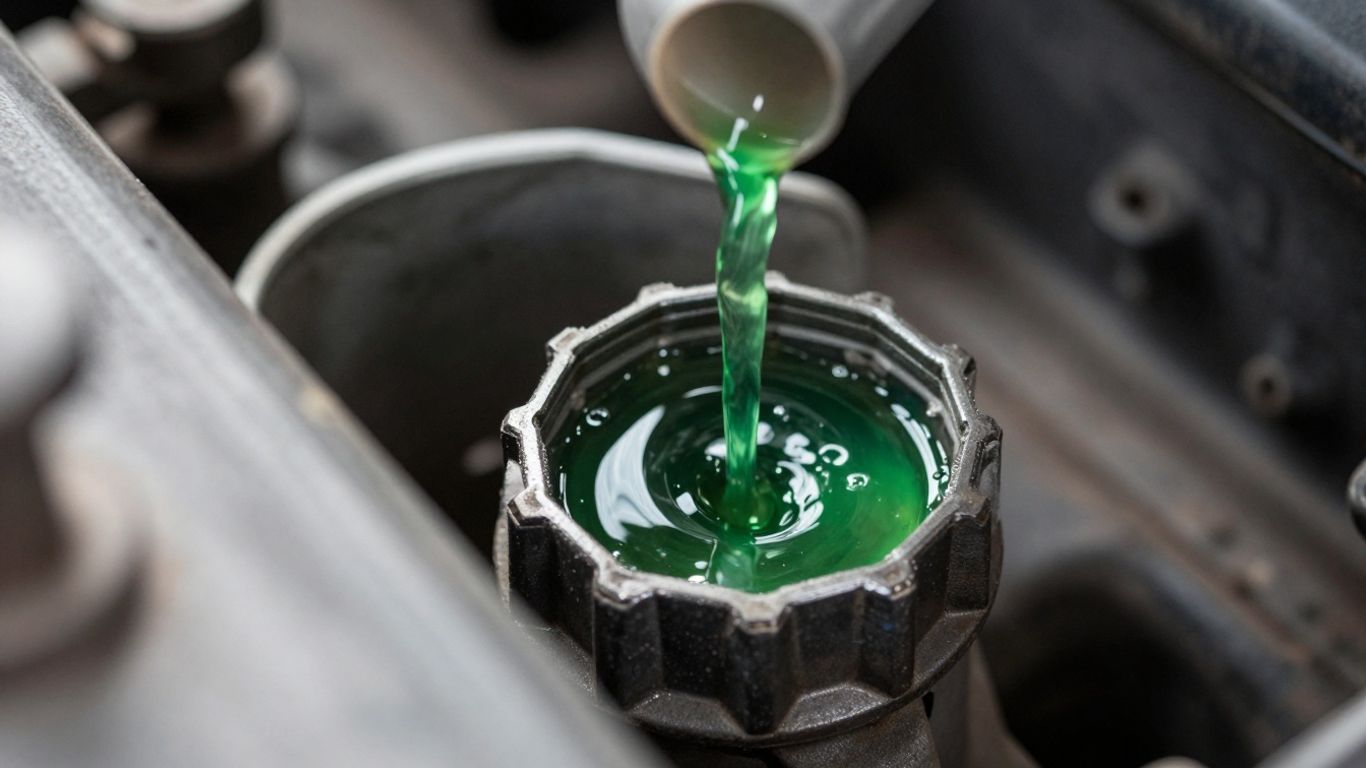
Recognizing the correct coolant specification for older engines
Using the wrong chemistry in a vintage engine can cause more harm than good, especially when modern formulas might react poorly to older gaskets. Consult original documentation to ensure the specific type of coolant you select is compatible with your engine’s materials.
Handling the risks of galvanic corrosion in iron blocks
Iron engines are particularly susceptible to internal corrosion if the cooling system is left neglected for too long. Proper inhibitors in the coolant mix are non-negotiable for preventing degradation of the internal water jackets over decades of operation.
Why mixing modern coolants can be detrimental to seals
Many modern additives are designed for different materials than those found in older automotive cooling circuits. Mixing incompatible types can lead to a chemical breakdown of your seals and hoses, creating a mess that is far harder to fix than it would be to just choose the right product.
Environmental safety and proper disposal protocols
Coolant is toxic and should always be treated with significant caution during drainage and replacement. Always store and dispose of spent fluids at designated collection centers to prevent environmental harm and ensure you are handling these materials responsibly.
Troubleshooting common cooling system failures
Diagnosing engine overheating during stationary idling
When temperature gauges rise while the vehicle is stationary, the problem usually stems from a lack of airflow or a failing pump circulation. Assessing whether your current setup meets your personal needs is a great time to look for professional remote assistance tools if you are unsure of your next move.
Identifying the source of coolant leaks under the chassis
Tracing the path of a leak requires a clean engine bay and a sharp eye. Look for telltale stains along the pump housing, hose junctions, or near the base of the radiator, as these spots often reveal where the system has lost its integrity.
Clearing airlocks trapped in the cooling bypass circuit
Air trapped in the plumbing can prevent circulation entirely, leading to sudden temperature spikes. Gently massaging the hoses while the engine is running or using a specialized bleed point helps release these pockets and restores flow.
Assessing faulty thermostat behavior and stuck valves
If the engine struggles to reach operating temperature or runs far too hot, the thermostat may be permanently stuck in one position. Pulling the unit for a hot water test is a diagnostic classic that clearly shows whether the valve is truly opening or reacting sluggishly.
When to consider cooling system upgrades
Benefits of installing modern electric cooling fans
Replacing dated fan setups with current technology can greatly increase airflow efficiency at low speeds. Often, essential drone accessories or other high-tech gear for your workshop might feel more relevant, but reliable cooling upgrades keep your classic actually driveable.
Aluminum radiator conversions for weight and heat dissipation
Upgrading to aluminum can shave pounds off the front of your car while significantly improving internal flow dynamics. This swap is a popular choice for those looking to modernize their cooling setup without radically changing the engine’s original footprint.
Using high-flow water pumps to increase circulation
Increased circulation can prevent hot spots in the cylinder head, which is highly beneficial for engines that see heavy usage. Just be sure to evaluate the pump’s capability against your stock system limits before swapping parts.
Balancing engine cooling efficiency with original aesthetics
Maintaining the classic look of your engine bay is always a priority, and modern upgrades should be selected to blend seamlessly into the original design. If you intend to use wireless microphone and speaker rental for car shows, you will want the engine bay looking as tidy as the day it rolled off the assembly line.
Conclusion
Taking initiative with your cooling system is the best way to ensure that your classic remains a source of joy rather than frustration. By following a steady maintenance schedule and addressing minor issues before they cascade, you keep your vehicle ready for every rally and weekend cruise it faces.
Frequently Asked Questions
How often should I perform a full cooling system flush?
A full system flush is typically recommended every two to three years or whenever the coolant appears discolored or murky to ensure the health of the engine block and radiator.
Can I use tap water in my cooling system?
It is better to avoid tap water because it contains minerals that lead to scale buildup; instead, you should always use distilled water when mixing your coolant concentrate for the best results.
Why does my car run hot only in traffic?
Overheating in traffic often points to a lack of airflow at low vehicle speeds, suggesting that your cooling fan might not be engaging or your radiator faces are obstructed by debris.
Is it normal to see some coolant loss while driving?
A healthy cooling system should be closed and sealed, meaning you should not notice any coolant loss during normal operation; any amount of fluid loss indicates a leak that requires attention.
Should I always use a higher pressure radiator cap?
Using a cap with a higher pressure than the manufacturer’s original specification can put unnecessary stress on your hoses and radiator, potentially causing a premature rupture.
What are the main symptoms of a failed water pump?
A failing water pump often emits a whining or grinding noise while the engine is running, or it may exhibit physical weeping from the small weep hole near the shaft seal.
How do I know if my thermostat is stuck closed?
If your engine temperature rises rapidly until it shows overheating on the gauge while the radiator remains cool to the touch, it is a clear indicator that the thermostat is not opening.