

Key Takeaways
An MG oil change interval depends on the engine, the vehicle’s service schedule, and the way it is driven. Mileage matters, but elapsed time and operating conditions matter just as much.
- Follow the owner’s manual or service schedule before relying on a generic mileage figure.
- Change engine oil by whichever limit arrives first: mileage or time.
- Short trips, heavy loads, extreme temperatures, and storage can justify earlier service.
- Use the specified viscosity and approval, and replace the oil filter during the same service.
- Check the oil level regularly and keep a written record of every change.
Understanding the MG oil change interval
The right MG oil change interval is not one universal number. It varies between modern gasoline engines, electrified models, and older MGB powertrains, while age and driving conditions can move the practical deadline earlier. Treat the vehicle handbook as the final authority, then use the guidance below to understand why that schedule exists.
Why mileage and time both matter
Engine oil is affected by both use and the calendar. A car that travels many miles accumulates heat cycles, friction, and combustion by-products, while a rarely driven car can still collect moisture and contaminants in the crankcase. For that reason, the service limit is normally expressed as mileage or time, whichever comes first.
A low-mileage year is not automatically a free pass. If the vehicle has been used mainly for brief journeys, the oil may have experienced many cold starts without spending enough time at operating temperature to evaporate moisture. That makes an annual check especially sensible for cars that see little use.
How oil age affects engine protection
Fresh oil carries additives that help control deposits, reduce oxidation, and protect moving parts. Those additives do not remain equally effective forever, and used oil gradually becomes contaminated by fuel traces, soot, dust, and microscopic wear material. The longer it remains in service, the less useful its original condition becomes.
Oil appearance alone is not a perfect test. Some oils darken quickly while still doing their job, and clean-looking oil can still be old or contaminated. Regular changes, a sound filter, and periodic level checks provide a more dependable maintenance habit than judging colour by itself.
Differences between modern MG models and classic MGBs
Modern MG vehicles generally have model-specific schedules built around their engine design, oil specification, electronics, and intended service pattern. A classic MGB has a much older engine architecture and may also have age-related leaks, seals, storage concerns, or a maintenance history that is incomplete. The two should not be treated as interchangeable simply because both carry the MG name.
Vintage ownership also rewards a closer look at the car’s actual condition. A classic used for occasional weekend trips may need attention based on time and moisture, while a regularly driven example may need more frequent inspection for leaks and consumption. A useful reference for one classic specification is this 1981 MG MGB oil guide, though the owner’s documentation and the particular engine remain more important than a general online guide.
Where to find your vehicle’s official service schedule
Start with the handbook, service booklet, or manufacturer service portal for the exact model year and engine. The schedule may distinguish between normal and severe use, and it may list separate requirements for gasoline, hybrid, or plug-in hybrid vehicles. If the paperwork is missing, a qualified workshop can identify the vehicle from its registration or vehicle identification number and confirm the applicable schedule.
Do not assume a dashboard reminder replaces the handbook. The reminder can be useful, but it may need resetting after service and may not account for every severe-use condition. A written record gives you a second line of defence.
MG oil change intervals by model and engine type
Model names alone do not establish a precise service interval. Engine type, model year, market, software, and the manufacturer’s maintenance plan all matter, so the figures in this section should be used as orientation rather than a substitute for the official schedule. When in doubt, use the earlier reasonable service point and verify the requirement before buying oil.

MG ZS gasoline service intervals
A gasoline MG ZS should be serviced according to its model-year handbook and the interval shown by its maintenance plan. That plan may specify both a distance and a time limit, with the first one reached governing the service. The oil grade and filter specification must also match the particular engine rather than simply the ZS badge.
For a used ZS with an uncertain history, checking the current level, looking for leaks, and establishing a fresh service baseline is sensible. Do not extend the interval merely because the vehicle has covered fewer miles than expected; the calendar limit still matters.
MG ZS EV and hybrid maintenance considerations
A battery-electric vehicle does not use engine oil in its traction motor, so its routine maintenance is different from that of a gasoline ZS. A hybrid, however, still has an internal-combustion engine and therefore still requires engine-oil maintenance according to its own schedule. Plug-in operation and frequent short engine runs can make it particularly important to follow the exact handbook guidance.
Owners should separate the oil question from the broader service question. Tyres, brakes, cooling systems, battery-related inspections, and software checks can remain relevant even when an oil change is not. Discussions of first services for newer hybrids, such as this MG ZS Hybrid+ service discussion, can offer context, but they should not override the official schedule for your car.
MG HS gasoline and plug-in hybrid intervals
Gasoline and plug-in hybrid versions of the MG HS should be treated as different maintenance cases. The gasoline model has a conventional internal-combustion oil requirement, while the plug-in hybrid may run its engine less often but still needs the specified oil service at the prescribed time or distance. Always confirm the engine designation and model year before selecting a filter or lubricant.
If the HS is used for repeated short trips or spends long periods parked, ask whether the schedule includes a severe-use recommendation. A vehicle that appears lightly used may still place unusual demands on its oil through repeated starts and incomplete warm-ups.
Classic MGB oil change recommendations
Classic MGB maintenance benefits from a conservative approach because the car’s age, storage pattern, and mechanical condition can vary widely. Use the correct documentation for the engine and market, inspect for leaks, and avoid extending an interval simply because annual mileage is low. Vintage-car owners often debate long storage intervals, but moisture and contamination remain practical reasons to service old oil.
The safest recommendation is to establish a regular calendar routine and inspect the oil system at the same time. For a car driven only occasionally, that may mean planning service before the main driving season rather than waiting for a mileage target.
| Vehicle situation | What to confirm | Sensible maintenance approach |
|---|---|---|
| Modern gasoline model | Engine, model year, and handbook schedule | Follow the listed time-or-distance limit |
| Hybrid model | Internal-combustion engine schedule | Do not treat electric running as an oil exemption |
| Plug-in hybrid | Engine designation and service plan | Follow the separate hybrid maintenance requirements |
| Classic MGB | Engine specification and vehicle condition | Use a conservative calendar routine and inspect for leaks |
This comparison helps separate broad vehicle categories, but it does not create a replacement interval. The exact oil capacity, filter, specification, and service timing should come from the relevant manual or a technician who can verify the vehicle.
Factors that can shorten your oil change interval
Normal schedules assume a reasonably typical pattern of use. Real driving is often harsher: a car may spend its life in traffic, make short cold runs, carry heavy loads, or sit unused for weeks. Those conditions can justify earlier inspection and, depending on the handbook, a shorter oil service interval.
Frequent short trips and stop-and-go driving
Short journeys can be harder on oil than a steady drive of the same distance. The engine may not reach full operating temperature before it is switched off, allowing fuel dilution and moisture to remain in the oil. Repeated idling and stop-start traffic also create more heat cycles than a smooth highway trip.
If most journeys are short, monitor the oil level and condition more often than the standard schedule suggests. Combining occasional longer drives with proper maintenance may help the engine reach operating temperature, but it does not remove the need to follow the service plan.
Extreme temperatures and dusty conditions
Very hot weather increases thermal stress, while very cold weather can make cold starts more demanding. Dusty roads introduce additional contamination risk, especially if the air filtration system is neglected. The vehicle’s manual may classify these conditions as severe use and provide a different schedule.
Check the air filter and inspect the engine bay as part of the same routine. A dirty filter, damaged intake duct, or persistent dust exposure can affect the engine even when the oil itself appears acceptable.
Towing, heavy loads, and spirited driving
Towing, carrying substantial loads, climbing steep roads, and sustained high-speed driving all increase engine workload. Higher load can mean more heat and greater demand on the lubricant, particularly if the vehicle is used this way regularly. Occasional hard acceleration is not the same as continuous severe use, but repeated heavy operation deserves attention.
If your driving includes these conditions, consult the severe-use section of the service schedule rather than guessing. Earlier oil and filter service may be appropriate, along with closer checks for leaks and changes in consumption.
Long periods of storage or infrequent use
Storage does not stop oil from ageing. Temperature changes can encourage condensation, and seals may dry or begin to leak when a vehicle sits for long periods. Before returning a stored MG to regular use, check the level, look underneath for fresh fluid, and confirm that the oil has not exceeded its time limit.
For classic cars, the calendar is often more useful than the odometer. A small mileage figure should not be used to justify keeping the same oil indefinitely, particularly when the car is stored in a damp or fluctuating environment.
Choosing the right engine oil for an MG
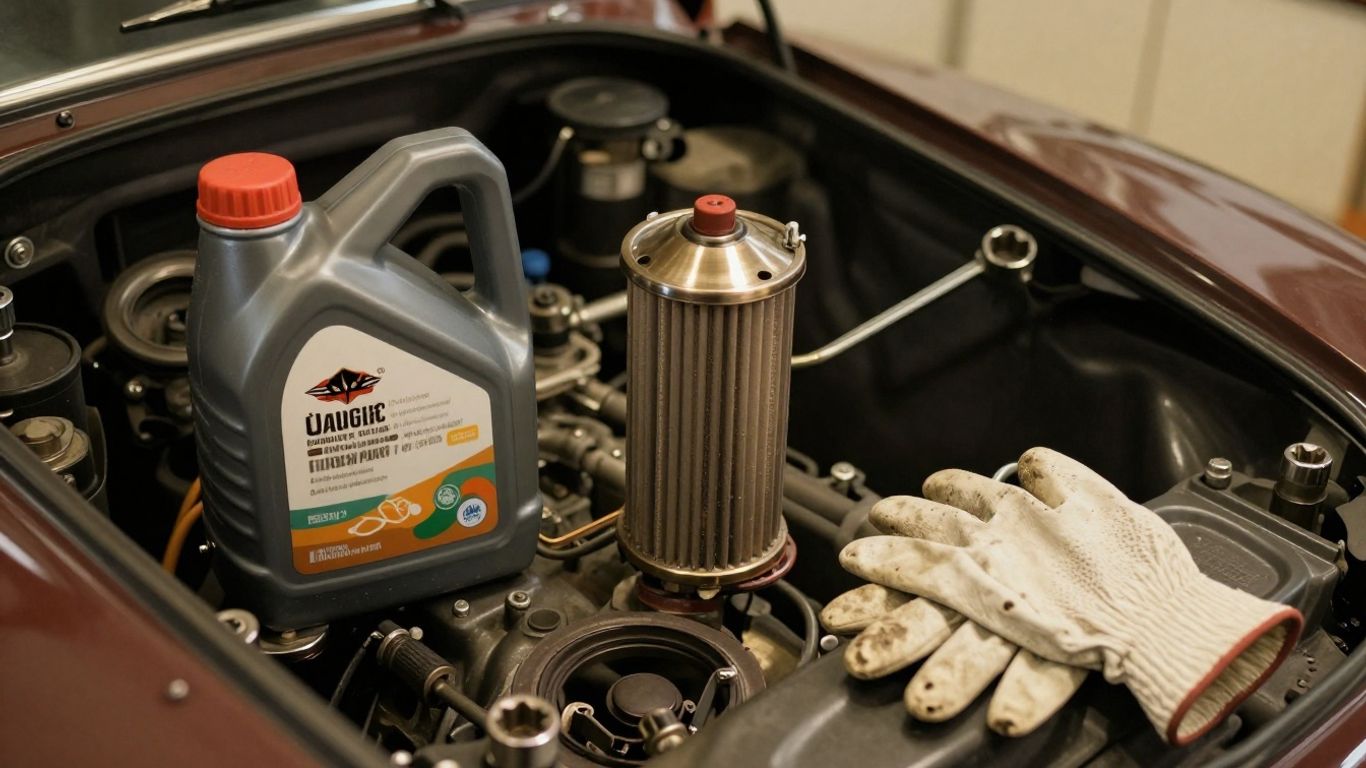
Selecting oil is more than choosing a familiar viscosity from a shelf. The engine needs the correct viscosity range, performance specification, and quantity, and those details can differ even between closely related models. Read the label carefully and compare it with the handbook before opening the container.
Matching the oil viscosity to the engine
Viscosity describes how readily oil flows at different temperatures, but the correct grade is determined by the engine and its operating requirements. A grade that works in one MG may be unsuitable for another, especially across different generations or climates. Do not change viscosity solely because the oil is cheaper or more readily available.
Climate can influence the approved choices, but it does not cancel the manufacturer’s specification. If the vehicle has high consumption, low oil pressure, or unusual noise, investigate the underlying issue rather than masking it with a heavier oil without professional advice.
Understanding manufacturer specifications
Look for the exact approval, performance standard, and viscosity listed in the service information. The wording on an oil container may include several standards, but only some may be relevant to your engine. Matching the specification is generally more important than choosing the most expensive product on the shelf.
Keep the packaging or photograph the label when you service the car. That record makes future top-ups easier and helps prevent accidental mixing with an unsuitable oil. If the manual is unclear, ask a parts supplier or technician to verify the requirement using the vehicle’s exact details.
Selecting full synthetic, synthetic blend, or conventional oil
The oil type should follow the vehicle’s specification and the manufacturer’s recommendation. Full synthetic, synthetic blend, and conventional products can have different performance characteristics, but the label still needs to meet the required standard and viscosity. A more expensive oil is not automatically the right oil.
Older engines may also have different needs from modern designs, particularly when seals, clearances, or past repairs are involved. Choose based on documented requirements and the condition of the engine, not on marketing language alone.
Replacing the oil filter at the same time
A fresh filter removes suspended contaminants from the new oil and helps maintain clean circulation after the service. Reusing an old filter undermines the purpose of replacing the lubricant, especially when the old filter is near its capacity or its sealing surface is damaged.
Confirm that the replacement filter matches the engine and has a sound gasket. Applying a thin film of clean oil to the gasket can help it seat correctly, but the filter should be tightened according to its instructions rather than forced with excessive torque.
How to change the oil in an MG
An oil change is straightforward only when the vehicle is supported safely and the correct parts are identified first. Work on level ground, allow hot oil to cool enough to handle safely, and keep children and pets away from the work area. If access underneath the vehicle is uncertain, professional service is the safer option.
Preparing the vehicle and necessary tools
Gather the correct oil, filter, drain-plug washer if required, drain pan, socket, filter tool, funnel, gloves, and rags before starting. The vehicle should be stable on approved stands or a lift; never rely on a jack alone. Check the capacity in the manual, but plan to add the final amount gradually because some oil remains in the engine.
Protect the ground and have a sealed container ready for the used oil. Preparation reduces rushed decisions, which are a common cause of spills, stripped fasteners, and incorrect refill levels.
Draining the old oil safely
Run the engine briefly if the manufacturer’s instructions allow it, then switch it off and secure the vehicle. Remove the filler cap, position the drain pan, and loosen the drain plug carefully while keeping your hands clear of the initial flow. Allow the oil to drain fully, then inspect the plug and washer before reinstalling them.
Never pour used oil onto the ground or into a drain. Transfer it to a sealed container and take it to an approved recycling or collection point. Clean the area around the plug so a later leak is easier to identify.
Installing the filter and adding new oil
Remove the old filter with care, checking that its old gasket has not stuck to the mounting surface. Lubricate and fit the new gasket as directed, install the filter without excessive force, and tighten the drain plug to the specified torque. Add most of the required oil through a funnel, pause, and allow it to settle.
The remaining quantity should be added in small amounts. Pouring the full listed capacity immediately can result in overfilling if the stated figure assumes a completely empty system or a particular filter configuration.
Checking the oil level and inspecting for leaks
Replace the filler cap, run the engine briefly, and switch it off. Wait as directed by the handbook, then check the dipstick on level ground and bring the oil to the safe range without exceeding the upper mark. Inspect the drain plug and filter for leaks while the engine is running and again after a short drive.
Dispose of the old oil and filter responsibly, then record the service. A final check after the first drive can catch a loose filter or plug before it becomes a serious problem.
Signs your MG needs an oil change sooner
Scheduled maintenance is only one part of oil care. Changes in level, sound, smell, or engine behaviour can point to a problem that needs attention before the normal interval arrives. These signs do not always mean the oil alone is at fault, so treat them as prompts for diagnosis rather than proof of a simple oil change.
Dark, dirty, or contaminated engine oil
Dark oil is not automatically bad, since detergents can suspend deposits and cause oil to change colour quickly. However, gritty texture, a strong fuel smell, milky appearance, or visible metal particles deserves prompt investigation. Milky residue can indicate moisture or coolant contamination, while fuel smell may point to an engine or injection issue.
Take a sample on the dipstick in good light and compare it with the oil’s normal appearance. If contamination is suspected, avoid continuing to drive until the cause has been checked.
Low oil level or increased oil consumption
A falling dipstick level may result from an external leak, burning oil, or a problem with the engine’s ventilation or seals. Topping up restores the level temporarily, but it does not explain where the oil went. Check the level on a consistent schedule and note how much is needed between services.
A sudden change is especially significant. Look for oil beneath the car, smoke from the exhaust, or residue around the engine, and arrange an inspection if consumption rises noticeably.
Unusual engine noise or warning lights
Tapping, knocking, rattling, or a new harsh mechanical sound can be associated with low oil, poor lubrication, or a separate mechanical fault. An oil-pressure warning light should be treated seriously: stop safely, switch off the engine, and investigate rather than driving on in the hope that the warning disappears.
A service reminder is different from an oil-pressure warning. The first is a maintenance prompt; the second can indicate an immediate lubrication problem. If you are unsure, use roadside assistance or professional help.
Oil leaks and changes in engine performance
Fresh spots under the vehicle, oil around the filter, or a damp drain plug should not be ignored. Leaks can lower the level between checks and may contaminate belts, hoses, or other components. Sluggish performance, rough running, or unusual exhaust smoke may also point to issues beyond the lubricant itself.
Clean the area and monitor it briefly only if the leak is minor and the oil level remains safe. A persistent or growing leak needs a proper diagnosis, not repeated top-ups alone.
Tracking MG oil changes and avoiding maintenance mistakes
Good records make routine maintenance much easier. Write down the date, mileage, oil specification, quantity, filter part number, and any observations about leaks or consumption. This information helps the next service provider understand the vehicle and makes it easier to spot a change in behaviour.
Resetting the service reminder correctly
After an oil service, reset the vehicle’s service reminder using the procedure in the handbook. The sequence varies by model and may involve the instrument display or infotainment controls. Resetting it without completing the service can create a misleading record, while failing to reset it can make the next reminder arrive at the wrong time.
If the reset procedure is unclear, ask the workshop that performed the service to confirm it. The reminder should support your records, not replace them.
Recording mileage, dates, and oil specifications
A basic service log can be kept in a notebook, spreadsheet, or maintenance app. Include the exact oil grade and approval rather than writing only “synthetic” or “engine oil.” Also note whether the filter was changed and whether the vehicle was used under severe conditions.
These details are useful when buying parts later. They also provide context if the engine begins using more oil or develops a leak between scheduled services.
Avoiding overfilling or using the wrong oil
Overfilling can cause aeration, leaks, and other problems, while underfilling reduces the amount of lubricant available to the engine. Add oil gradually, check the dipstick on level ground, and allow time for oil to drain into the sump before taking the final reading. Use the correct measuring method for the vehicle.
Before pouring, check the container against the handbook’s viscosity and specification. The label and manual should agree; if they do not, stop and verify the choice rather than relying on a familiar brand or colour-coded bottle.
Knowing when professional service is the better choice
Professional help is sensible when the vehicle cannot be supported safely, the filter or drain plug is inaccessible, the oil-pressure light is on, or a leak is difficult to identify. It is also worthwhile when the service history is missing or the engine has unusual noise, smoke, or consumption.
A capable workshop can combine the oil change with an inspection of the filter area, drain plug, fluid leaks, and related maintenance items. For drivers who want a broader check alongside routine service, an oil-change inspection can be a useful model for the type of questions to ask, even though the exact work should be confirmed for your vehicle.
Conclusion
The best MG oil change interval is the one that matches the exact engine, official schedule, and real conditions of use. Keep time and mileage records, shorten the interval when driving is severe, use the specified oil and filter, and investigate warning signs instead of treating them as ordinary service reminders.
Frequently Asked Questions
How often should engine oil be changed?
Change it at the mileage or time limit stated in the vehicle’s official maintenance schedule, whichever comes first. Severe use may require an earlier service.
Does low annual mileage mean oil can last for years?
No. Oil can age and collect moisture or contaminants even when the vehicle travels very little. Follow the calendar limit as well as the mileage limit.
Is dark engine oil always a sign that it needs changing?
Not necessarily. Oil can darken as it suspends deposits, but gritty texture, fuel smell, milky appearance, or metal particles should be investigated promptly.
Should the oil filter be changed with the oil?
Yes, replacing the filter during the same service is standard good practice. It helps keep contaminants out of the fresh lubricant.
Can an electric vehicle use engine oil?
A fully electric vehicle does not have an internal-combustion engine that requires engine oil changes. It can still need other fluid and maintenance checks, while hybrids retain engine-oil requirements.
What happens if too much oil is added?
Overfilling can contribute to aeration, leaks, and other engine problems. Check the level on level ground and remove excess oil if it is above the safe mark.
When should an oil warning light be treated as urgent?
An oil-pressure warning light should be treated as urgent. Stop safely, switch off the engine, check the level if appropriate, and seek professional assistance if the warning remains or returns.