

Key Takeaways
A careful MG tyre replacement starts with safety, correct specifications, and an honest assessment of how you drive. The right choice should fit both the vehicle and the roads beneath it.
- Replace tires when tread, age, damage, or handling concerns make continued use unsafe.
- Confirm the tire size, load index, speed rating, and wheel fitment before buying.
- Choose touring, performance, all-season, or EV-compatible tires according to your driving needs.
- Include fitting, balancing, alignment, valves, and TPMS checks when comparing prices.
- Maintain pressure, rotation, alignment, and storage habits after installation.
When your MG needs tire replacement
Tires rarely become unsuitable for just one reason. Tread wear may be obvious, but cracking, uneven shoulders, vibration, or reduced wet braking can matter just as much. This MG tyre replacement guide begins with the condition of the tire, because choosing a new set before identifying the underlying problem can allow the same wear to return.
Tread depth, wear patterns, and visible damage
Look across the full width of each tire rather than checking only the center grooves. Uneven wear on one shoulder may point to alignment or suspension trouble, while repeated wear in patches can be associated with balance or inflation issues. Cuts, bulges, exposed cords, punctures in the sidewall, and deep cracking are reasons to stop relying on the tire and have it assessed promptly.
Tread-depth indicators provide a useful visual warning, but they are not the only test. A tire with reasonable remaining tread can still be compromised by damage or age. Check the spare, if fitted, as well as the four tires on the vehicle.
Warning signs during braking, steering, and driving
Pay attention to changes you can feel from the driver’s seat. Pulling while braking, a steering wheel that vibrates at speed, longer stopping distances on wet roads, or a new humming sound deserves inspection. These symptoms can come from tires, wheels, brakes, alignment, or suspension, so avoid assuming that a new tire alone will solve the issue.
A local driving guide for MG ZS tyres also highlights practical symptoms such as increased road noise, less settled steering, and reduced wet-road confidence. Those observations are useful because they connect tire condition with the way the car is actually used.
Age-related deterioration and seasonal concerns
Rubber changes with time, even when a vehicle has covered relatively few miles. Examine older tires for fine cracks in the sidewall and between tread blocks, especially if the car has spent long periods outside or has been driven infrequently. The date code on the sidewall can help a tire professional assess age alongside its physical condition.
Weather changes also affect the decision. Hot roads, heavy rain, cold mornings, and occasional snow place different demands on grip and flexibility. A tire that feels acceptable in dry city traffic may offer less reassurance when temperatures fall or water collects in road ruts.
Repair or replacement: How to make the right call
A professional may be able to repair a small tread-area puncture when the tire has not been driven underinflated and its internal structure is sound. Sidewall damage, a large puncture, a bulge, or extensive cracking generally points toward replacement rather than repair. The final decision should include the tire’s age, wear, location of damage, and the manufacturer’s repair limits.
For an emergency, review the vehicle handbook and a model-specific tyre repair guide rather than improvising. A temporary repair is not a substitute for having the tire properly inspected.
Identify your MG’s correct tire specifications
A replacement tire is only suitable when its dimensions and ratings match the vehicle’s requirements. Do not choose by appearance or by the name of the model alone, since wheel sizes and factory specifications can vary between trims. Write down the complete marking before you request a quote.
Where to find the recommended tire size
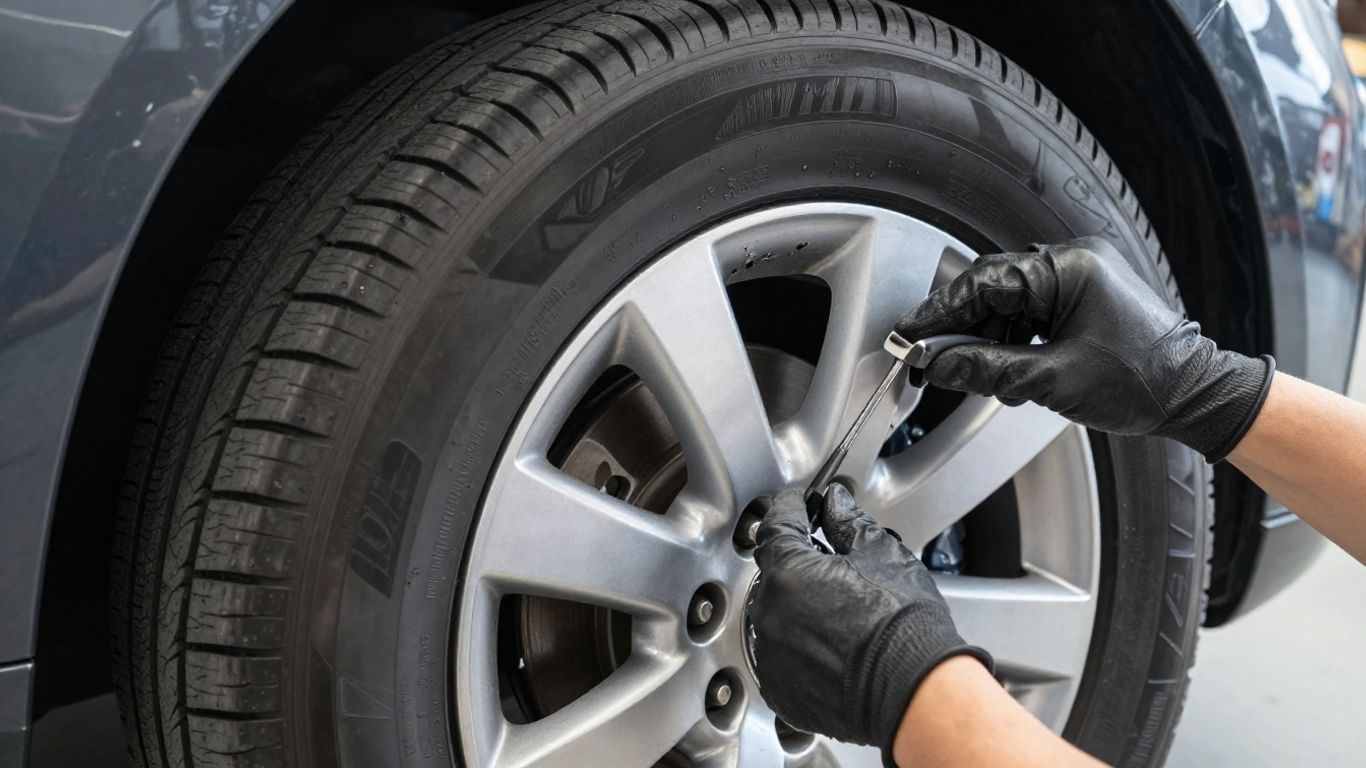
Start with the placard on the driver’s door frame, door pillar, fuel flap, or another location specified by the vehicle maker. The owner’s manual is another useful source, particularly when it lists more than one approved wheel and tire combination. The sidewall of the current tire can confirm what is fitted, but it should not override the vehicle’s recommended specification.
A marking such as 215/55 R17 describes width, aspect ratio, construction, and wheel diameter. Record the full marking for every axle if the vehicle uses different front and rear sizes.
Understanding load index and speed rating
The load index indicates the maximum load assigned to the tire at the stated conditions, while the speed rating identifies the tire’s tested speed category. Both should meet the vehicle requirement. A tire with the right width but an unsuitable load or speed rating is not a correct replacement.
Do not assume that a higher rating automatically improves the driving experience. It may alter ride comfort, noise, cost, and rolling resistance. Ask the fitter to explain any proposed change and confirm that it is permitted for your vehicle.
Matching tires across MG models and trim levels
Model names are not enough to identify a tire. Different generations, powertrains, wheel packages, and trim levels can use different dimensions or ratings. Check the exact year and variant, then compare the specification with the placard and handbook before ordering.
The following summary shows why each part of the marking deserves attention:
| Specification | What it describes | Why it matters |
|---|---|---|
| Width and aspect ratio | Tire dimensions and sidewall height | Affects clearance, steering feel, and fit |
| Construction and wheel diameter | Radial design and rim size | Must match the wheel and approved fitment |
| Load index | Rated carrying capacity | Supports safe vehicle and passenger loads |
| Speed rating | Tested speed category | Must meet the vehicle requirement |
After checking those items, confirm that all four tires are appropriate for the same vehicle setup. That simple comparison prevents a visually similar but technically incorrect purchase.
Why wheel size and factory fitment matter
Changing wheel diameter can affect sidewall height, ride comfort, speedometer behavior, clearance, and the risk of rim damage. Factory fitment also considers steering geometry and the space available around brakes and suspension components. A tire that mounts physically may still be unsuitable for the vehicle.
If you are moving to a different wheel size, have the complete combination checked before buying. The rim width, offset, tire dimensions, load rating, and clearance need to work together.
Choose the best replacement tires for your MG
The best tire is not necessarily the most expensive or the one with the sportiest description. Think about commuting, freeway travel, family loads, climate, road surfaces, and how much you value quietness or steering response. A tire should suit the vehicle’s approved specification and your regular driving pattern at the same time.
Touring tires for everyday road use
Touring tires are often considered by drivers who want a balanced road tire for commuting, errands, and longer trips. Comfort, predictable wet grip, road noise, and useful tread life may matter more than maximum cornering response. Compare independent test information carefully and check that the size and ratings match your vehicle.
A supplier’s MG tyre range can be a starting point for comparing available sizes and fitment options, but the vehicle placard remains the final reference for specification.
Performance tires for sharper handling
Performance-oriented tires can offer a more immediate steering response and greater stability during enthusiastic cornering. That character may appeal to drivers who spend time on winding roads or prefer a firmer feel. The trade-offs can include more road noise, a firmer ride, higher purchase cost, or faster wear depending on the tire and use.
Choose this category because it suits your priorities, not simply because the label sounds advanced. Everyday traffic and rough urban roads may favor a more comfortable design.
All-season tires for changing weather
All-season tires are intended to provide a compromise across a range of conditions. They can be convenient where temperatures and rainfall vary but severe winter conditions are uncommon. They are still subject to the limits of their design, and no all-season tire removes the need for cautious speed on ice, snow, standing water, or worn pavement.
Consider the climate where you actually drive, not only the forecast on the day of purchase. Tread pattern, rubber compound, and local seasonal conditions all influence the result.
EV-compatible tires for models such as the MG ZS EV
An electric vehicle can place different demands on tires because of vehicle weight, instant torque, and the importance many drivers place on efficiency and cabin quietness. For an MG ZS EV, begin with the approved size, load rating, pressure, and any vehicle-specific requirements. A tire marketed for EV use is not automatically correct unless it matches those fundamentals.
This MG ZS EV tyre guide discusses the relationship between tire choice, inflation, efficiency, and wear. Use that kind of information as context, then confirm the final specification with the vehicle documentation and a qualified fitter.
Compare replacement tire costs and value
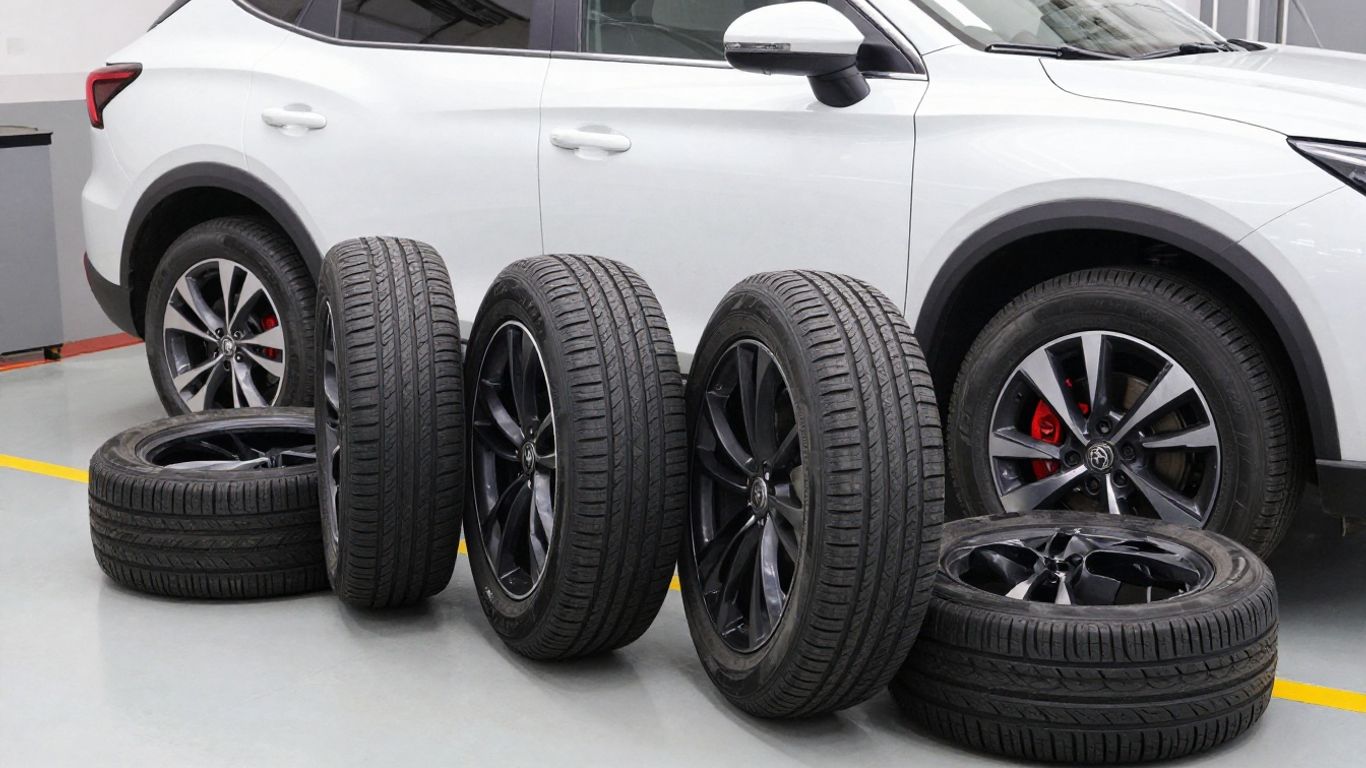
The cheapest quote is not always the lowest overall cost. A meaningful comparison includes the tire itself, installation, balancing, valves, disposal, alignment checks, and any warranty terms. It also considers how the tire may affect noise, comfort, braking confidence, and replacement frequency.
How tire brands affect price and performance
Different manufacturers and product lines prioritize different combinations of grip, quietness, mileage, efficiency, and handling. Compare like for like: the same size, load index, speed rating, and intended use. A lower-priced tire may be appropriate for a lightly used city car, while another driver may reasonably value wet grip or reduced cabin noise more highly.
When browsing Bridgestone tyres, for example, read the product details against your vehicle’s specification rather than treating the brand name alone as the decision. The same principle applies to any tire manufacturer.
Balancing wet grip, noise, mileage, and comfort
There is rarely one tire that leads every category. Softer compounds may provide strong grip but can wear sooner, while designs intended for long mileage may feel less responsive. Tread patterns can influence water clearing and noise, and sidewall construction affects ride quality as well as steering response.
Make a short priority list before visiting the shop. Your regular roads matter more than a generic ranking because a freeway commuter, a city driver, and someone on rough rural roads may need different compromises.
Additional costs for fitting, balancing, and alignment
Ask whether the quoted price includes mounting, balancing, valve replacement, disposal, and taxes. An alignment check may be sensible when the old tires show uneven wear, the car pulls to one side, or a wheel has hit a pothole. TPMS service or relearning may also involve an additional charge, depending on the vehicle and the shop.
A clear written quote makes comparisons fairer. It also reduces the chance that an apparently cheap tire becomes a more expensive job at checkout.
When premium tires may be worth the investment
Premium tires may make sense when the vehicle is driven frequently, covers many highway miles, carries passengers regularly, or is used in demanding wet conditions. They can also be worth considering when lower noise and refined ride quality are high priorities. That does not make them necessary for every driver.
Look at the complete ownership period rather than only the purchase price. A tire that remains quiet, wears evenly, and performs consistently may offer better value, provided it is correctly fitted and maintained.
Prepare for the tire replacement appointment
A few minutes of preparation can make the appointment faster and more accurate. Bring the vehicle information, note any symptoms, and decide whether you want the shop to inspect alignment or suspension at the same time. Clear communication helps the technician distinguish a tire choice from a mechanical issue.
What to check before visiting a tire shop
Before requesting service, inspect the tire markings, photograph unusual wear, and note when vibrations or pulling occur. Check whether the vehicle carries a temporary spare, repair kit, or TPMS warning. If one tire has suffered a puncture, avoid driving farther than necessary on it while underinflated.
It is also useful to tell the shop about regular loads, towing, highway use, gravel roads, and seasonal conditions. Those details can change which tire characteristics deserve priority.
How many tires should be replaced at once
Replacing all four tires usually creates the most consistent handling, but the condition of the remaining tires matters. If only two need replacement, many vehicles benefit from placing the newer pair on the rear axle, subject to the manufacturer’s guidance and the shop’s assessment. Mixing very different patterns or performance levels can alter grip balance.
Ask whether the existing tires have enough tread and similar characteristics to remain safely paired. If not, replacing more than two may be the better long-term decision.
Why axle matching and rotation patterns matter
Tires on the same axle should generally match in size and have closely similar construction and performance characteristics. Directional and asymmetric designs also have specific mounting requirements. Rotation should follow the tire maker’s pattern and the vehicle handbook, since not every tire can move to every position.
For a practical appointment checklist, confirm these points with the fitter:
- The tire size and ratings match the approved vehicle specification.
- The pair on each axle is compatible in pattern, construction, and wear.
- Directional or asymmetric tires are mounted in the correct orientation.
- The proposed rotation pattern suits the tire and drivetrain.
Once those details are agreed, the shop can fit the tires without treating axle matching as an afterthought. It also gives you a clear basis for future rotation decisions.
Questions to ask about warranties and road-hazard coverage
Ask what the warranty covers, how long it lasts, and whether claims depend on documented inflation, rotation, or alignment checks. Road-hazard coverage may have exclusions for sidewall damage, commercial use, or repairs. Clarify whether fitting, balancing, replacement, and prorated adjustments are included.
Keep the receipt and any inspection record. Those documents can make a later warranty conversation much simpler.
Complete the replacement safely
Installation is more than removing an old tire and fitting a new one. The wheel, valve, TPMS hardware, bead, and balancing all contribute to safe operation. Use a properly equipped shop, and ask for an explanation if the technician finds a bent wheel, damaged valve, or unusual suspension wear.
Inspecting wheels, valves, and TPMS components
A wheel should be checked for bends, cracks, corrosion at the bead seat, and damage around the valve hole. Rubber valves are often replaced with new tires, while metal valves and TPMS sensors may need inspection or service kits. A sensor warning after installation does not always mean the new tire is defective.
If a wheel has lost air repeatedly, ask whether the leak comes from the tire, valve, bead, or rim. Fixing that source is essential before the new tire is put into regular use.
Ensuring correct mounting and wheel balancing
The fitter should confirm the tire’s rotation direction, outside face, and bead seating before inflation. The wheel assembly is then balanced to reduce vibration, with weights positioned according to the equipment and wheel design. A balance issue may become more noticeable at highway speed than around town.
After installation, take a short, cautious drive and report any vibration, pulling, or unusual noise promptly. New tires can feel different, but they should not create a clear mechanical symptom.
Confirming tire pressure after installation
Tire pressure should be set according to the vehicle placard, not the maximum pressure molded into the tire sidewall. Check pressures when the tires are cold and account for different front and rear recommendations or load conditions. The correct pressure supports handling, braking, comfort, and even wear.
Pressure can change with temperature, so recheck it after the vehicle has been parked in the same conditions for several hours. Do not deliberately overinflate to compensate for an uncertain reading.
Resetting the tire pressure monitoring system
Some vehicles relearn sensors automatically after driving, while others require a reset through the vehicle menu or a dedicated tool. Follow the owner’s instructions and confirm that the warning light behaves normally after the tires are fitted. If the light flashes, stays on, or returns, have the system scanned rather than ignoring it.
The TPMS warning is not a replacement for a pressure gauge. Check the actual pressure even when the dashboard reports no problem.
Maintain your new MG tires
Good maintenance protects the money you have just spent and helps the vehicle remain predictable. Set pressures regularly, inspect for damage, rotate when appropriate, and respond to changes in steering or noise. A small check every few weeks is easier than discovering a serious problem during a long trip.
Set the correct tire pressure
Check all tires, including the spare if fitted, when they are cold. Use the door-placard values for normal driving and follow the handbook for heavy loads or towing. Replace missing valve caps and investigate any tire that repeatedly loses pressure.
Avoid using visual appearance as a pressure test. Radial tires can look acceptable while being significantly underinflated, particularly at the rear.
Rotate tires to promote even wear
Rotation can help distribute wear, but the correct interval and pattern depend on the tire design, drivetrain, and vehicle instructions. Directional tires may move front to rear on the same side, while staggered setups may not be rotatable in the usual way. Record the date and mileage when the service is completed.
Rotation cannot correct a worn suspension component or poor alignment. If wear returns quickly, look beyond the tires themselves.
Check alignment and suspension components
Uneven shoulder wear, a crooked steering wheel, pulling, or repeated feathering can indicate an alignment issue. Worn bushes, ball joints, shocks, or wheel bearings may also affect tire contact with the road. Have those components examined before fitting another set if the pattern is severe.
A fresh alignment after repairs should be followed by a short road test. The steering should feel centered, and the vehicle should track consistently on a reasonably level road.
Store and replace tires for seasonal driving conditions
If you use a separate seasonal set, store tires clean, dry, away from direct sunlight, and clear of chemicals or heat sources. Mark their previous position and inspect them before refitting. Wheels and tires should be secured so they cannot fall or become distorted in storage.
Replace tires when damage, age, or worn tread makes them unsuitable, even if they have spent much of their life stored. Seasonal storage slows use; it does not stop rubber from aging.
Conclusion
The right MG tire replacement combines accurate specifications, a realistic view of driving conditions, professional installation, and steady maintenance. Check the cause of wear, compare the complete cost, and choose tires that support the way you actually use the vehicle. That process is more reliable than buying by price or appearance alone.
Frequently Asked Questions
How often should MG tires be replaced?
There is no single mileage interval for every vehicle. Inspect tires regularly and replace them when tread, damage, age, repeated pressure loss, or handling changes make them unsuitable.
Should all four tires be replaced together?
Replacing all four can provide the most consistent grip, but the correct choice depends on the condition and compatibility of the remaining tires. A tire professional can assess whether two tires can safely remain in service.
Can I fit a different tire size?
Only use an alternative size when it is approved for the vehicle and compatible with the wheel, load requirements, clearance, and speedometer. Check the handbook or consult a qualified fitter before changing size.
What tire pressure should I use?
Use the pressure shown on the vehicle’s tire placard or in its handbook. The maximum pressure molded into the sidewall is not necessarily the recommended operating pressure.
Do new tires need wheel alignment?
New tires do not automatically require alignment, but an alignment check is sensible when old tires show uneven wear or the vehicle pulls, vibrates, or has recently struck a pothole.
How can I reduce uneven tire wear?
Maintain the recommended pressure, rotate tires according to the approved pattern, avoid overloading, and have alignment and suspension issues inspected when wear is irregular.
Are all-season tires suitable for every climate?
All-season tires are a compromise for varied conditions, not a universal replacement for dedicated winter tires. Choose according to local temperatures, snow and ice exposure, rainfall, and driving habits.