

Key Takeaways
An MG paint protection coating can make an exterior easier to maintain while helping preserve its finish. The best choice depends on the vehicle’s condition, driving environment, budget, and the level of impact protection required.
- Ceramic, graphene, and polymer coatings create different types of protective surface layers.
- Coatings improve gloss, water behavior, and resistance to everyday contaminants, but they do not stop stone chips or deep scratches.
- Preparation is as important as the coating itself, especially when paint correction is needed.
- Paint protection film is usually the stronger choice for direct impact and stone-chip protection.
- Gentle washing and prompt contamination removal help a coating perform for longer.
What MG paint protection coating is and how it works
An MG paint protection coating is a liquid protective treatment applied over clean, prepared vehicle paint. Once cured, it creates a bonded surface layer that can improve gloss, water repellency, and resistance to common environmental contamination. It is not a substitute for careful driving or washing, but it can make ordinary ownership less demanding.
Ceramic, graphene, and polymer coating technologies
Ceramic coatings are generally based on siloxane or related chemical systems that cure into a durable, clear layer. Graphene-infused products add a carbon-based component to the formulation, while polymer sealants use synthetic polymers to form a protective film over the paint. These names describe formulation and marketing categories; the actual result depends on preparation, product quality, installation, and maintenance.
A coating should therefore be judged by more than a claimed number of years. Look at its application requirements, aftercare instructions, warranty conditions, and suitability for the way the car is used. A lower-cost sealant may make sense for a frequently changed vehicle, while a professionally installed ceramic product may suit an owner planning to keep the MG for many years.
How the coating bonds to MG vehicle paint
The paint must be clean, dry, and free from oils before application. During curing, the coating’s chemistry cross-links and adheres to the clear coat, creating a transparent layer rather than simply sitting on top like a conventional wax. That bond is why preparation matters so much: contamination or residue beneath the product can affect its appearance and performance.
The coating does not repair damaged paint by itself. Swirls, oxidation, sanding marks, and stains remain visible unless they are corrected before the product is applied. For owners comparing the chemistry and hydrophobic behavior of these treatments, this overview of MG ceramic coating offers useful background.
What protection it offers against contaminants and UV rays
A properly maintained coating can reduce how readily road film, dust, light oils, and some environmental contaminants adhere to the clear coat. Its water-repellent behavior may also help water move away from the surface, reducing the time minerals and dirt remain in contact with the paint. UV resistance can help slow the dulling and fading associated with prolonged sun exposure.
These benefits are protective rather than absolute. A coating does not make paint immune to contamination, and water that dries repeatedly on a hot panel can still leave mineral deposits. Regular washing remains part of the system, not an optional extra.
What paint protection coating cannot prevent
A coating is thin and hard, but it is not an impact shield. It generally cannot prevent stone chips, deep scratches from keys or branches, dents, or damage caused by a collision. It also cannot stop bird droppings, tree sap, and bug residue from becoming etching risks if they are left on the car.
That distinction keeps expectations realistic. The coating is most useful for surface maintenance and environmental exposure, whereas physical impact protection requires a different material or driving strategy.
The main benefits for MG owners
For many owners, the attraction is not simply a shinier car on delivery day. The practical benefit is a finish that is easier to rinse, dry, and keep presentable between deeper washes. Results vary with the paint’s starting condition and the care routine that follows.
Preserving gloss and color depth
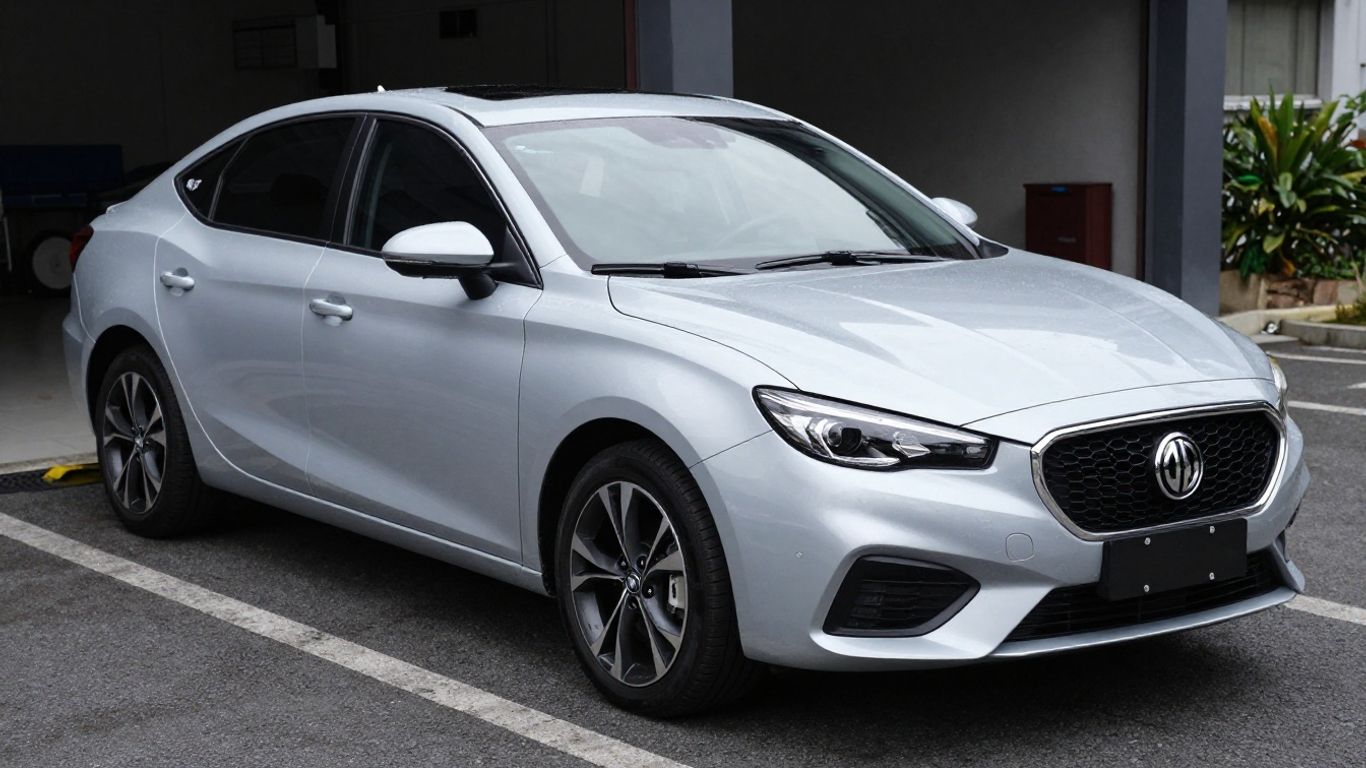
A clear coating can add visual depth by leaving a smooth, uniform surface over properly corrected paint. It will not permanently restore a neglected finish, but it can help preserve the clarity achieved during preparation. Dark colors often reveal the difference most clearly because they show both gloss and surface defects more readily.
The strongest visual improvement usually comes from the combination of correction and protection. Preparation determines the starting point; the coating then helps keep that finish cleaner and more consistent.
Making washing and drying easier
Hydrophobic behavior encourages water to gather into beads or sheets and leave the panel more readily. That can shorten drying time and reduce the amount of rubbing needed, provided the vehicle is washed with clean equipment. It does not mean the car can be left unwashed, since particles trapped in water spots or road film can still mark the surface.
A sensible wash method remains gentle: rinse loose grit away first, use a clean wash mitt, work from the top down, and dry with a suitable microfiber towel. The coating makes this routine easier, not unnecessary.
Reducing water spots, bird-dropping damage, and road grime
A coating can reduce adhesion and give an owner more time to remove fresh contamination before it bonds or etches. Bird droppings should still be softened and lifted rather than wiped dry. Road grime also needs regular removal, particularly around lower doors, wheel arches, and the rear of the vehicle.
The key is prompt, low-friction cleaning. Water repellency may limit exposure, but it cannot reverse damage that has already penetrated or etched the clear coat.
Supporting long-term resale appeal
A clean, consistent exterior can help a used vehicle make a better first impression. A coating alone does not establish a higher resale price, and buyers will also consider service history, mileage, repairs, tires, and overall condition. Still, reduced staining and a well-kept finish can support the broader impression that the vehicle has been cared for.
Keep invoices, product information, and maintenance records if the coating is professionally installed. Documentation makes the treatment easier to explain without overstating what it protects against.
Choosing the right coating for your MG model
The model name matters less than the paint condition, panel design, usage, and owner expectations. An MG4 used for commuting may face a different mix of road film and parking exposure from an SUV that spends weekends on highways or gravel roads. The right product is the one that fits those conditions and can realistically be maintained.
Considerations for MG4, ZS, HS, and other models
Different body shapes create different practical challenges. Larger SUVs may have more vertical panels and broad areas that collect dust, while a smaller hatchback may be easier to wash frequently. Gloss, matte, and textured finishes also require product-specific advice, since a treatment designed for conventional gloss paint may not suit every surface.
Before choosing, inspect the whole vehicle rather than focusing only on the bonnet. Wheels, trim, glass, and plastics may need separate products, and their care should be discussed as part of the overall plan.
Selecting durability based on driving conditions
Durability claims describe expected performance under stated conditions, not a guarantee that every vehicle will remain protected for the same period. Frequent motorway driving, winter salt, outdoor parking, automatic washing, and infrequent maintenance can all shorten useful performance. A shorter-term product that is reapplied correctly may outperform a premium product that is neglected.
Consider the following practical factors when comparing options:
- How many kilometres the car travels each week.
- Whether it is parked outdoors, under cover, or in a garage.
- How quickly bird droppings and sap can be removed.
- Whether the owner will follow the recommended wash routine.
These answers usually reveal more than a headline durability figure. They also help an installer recommend a sensible package rather than the most expensive one.
Matching coating performance to climate and parking habits
Hot sun, heavy rain, coastal air, winter salt, dust, and hard water create different maintenance demands. Outdoor parking increases exposure to UV light and airborne contamination, while shaded or enclosed parking may reduce those pressures without eliminating them. If local water contains many minerals, drying technique becomes especially important.
A coating can be worthwhile in any climate, but the maintenance plan should reflect the environment. In dusty areas, frequent rinsing may matter more than adding layers of product; in wet areas, prompt drying can help limit mineral spotting.
Deciding between DIY kits and professional products
DIY products can suit an owner who is comfortable with paint preparation, controlled application, and careful curing. The main risks are uneven coverage, high spots, trapped contamination, and applying the product in unsuitable temperature or humidity. Professional installation costs more but usually includes inspection, decontamination, and a more controlled workspace.
Ask what preparation is included, how long the vehicle must remain dry, and what the installer will do if a panel needs correction. A clear scope is more useful than a vague promise of permanent protection.
How professional application works
Professional application is a preparation process as much as a coating process. The vehicle is assessed, washed, chemically and mechanically decontaminated, and checked under suitable lighting. If the paint needs correction, that work is completed before the coating is introduced.
Inspecting and decontaminating the paint
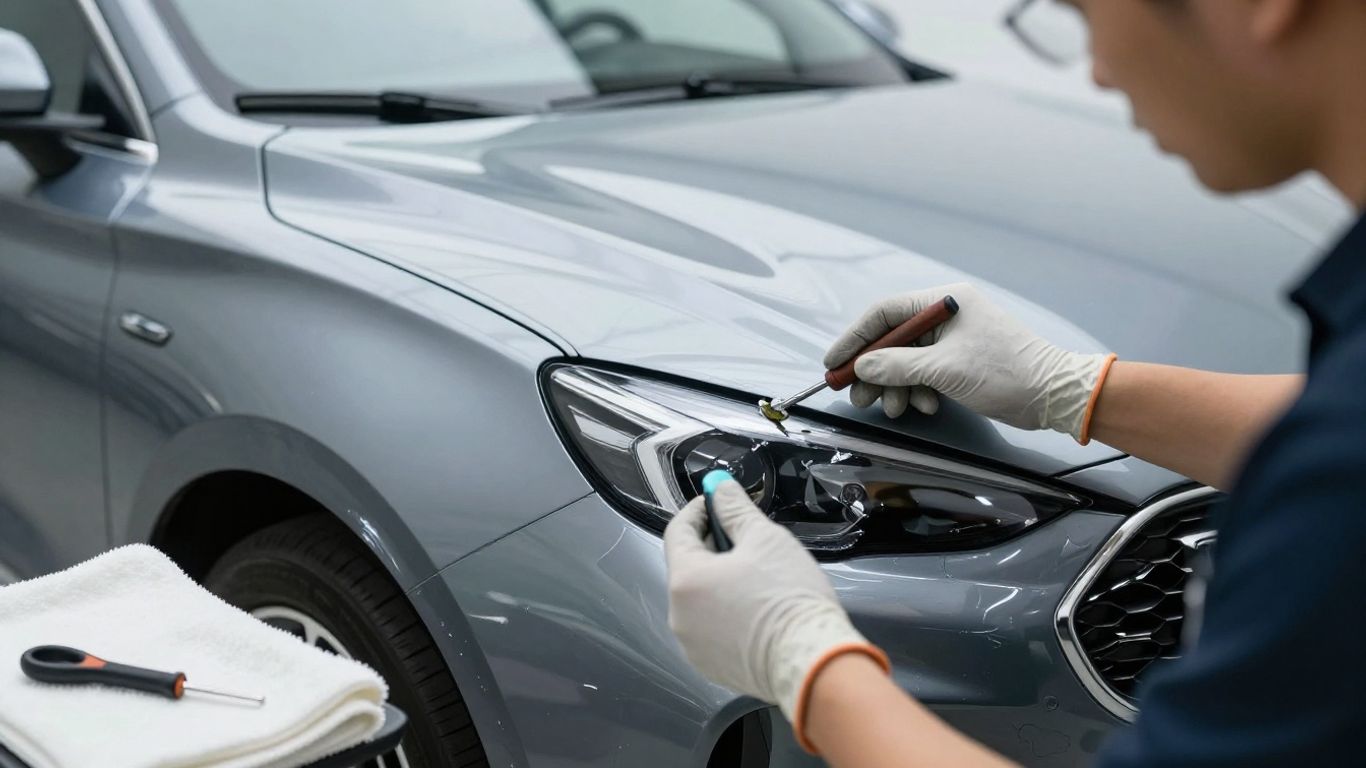
The first inspection looks for scratches, swirl marks, oxidation, overspray, tar, iron particles, and previous wax or sealant residue. Washing removes loose dirt, while iron removers, tar removers, clay media, and panel preparation products address bonded contamination. The surface is then dried and wiped down so the installer can assess the true condition of the clear coat.
This stage prevents the coating from sealing avoidable defects beneath its surface. It also gives the owner a more accurate estimate of time and cost before work begins.
Correcting scratches, swirls, and oxidation
Paint correction may range from a light polish to several machine-polishing stages. The appropriate level depends on the defect depth, clear-coat condition, desired finish, and tolerance for removing a small amount of clear coat. Deep scratches that have cut through the paint cannot be polished away completely and may require a different repair.
Correction should be discussed honestly. Chasing every defect can be counterproductive if it removes too much material, so a good result balances improvement with preservation of the remaining finish.
Applying the coating panel by panel
The installer normally works in small sections, spreading a measured amount of product before allowing it to flash and leveling the residue with clean towels. Lighting, temperature, humidity, and timing affect how easily the coating can be leveled. Edges, badges, body lines, and difficult contours require particular care.
After each panel is checked for streaks or high spots, the process continues across the vehicle. The car may look complete quickly, but the coating still needs time to settle and cure.
Curing requirements and delivery timelines
Curing instructions vary by formulation. The vehicle may need to remain indoors, away from rain, dust, washing, and heavy condensation for a specified period. Some products allow limited driving sooner than others, but early exposure can interfere with the finish or create spotting.
Before collection, ask for written aftercare instructions and the exact time until the first wash. This simple handover detail can protect the investment more effectively than an impressive product label.
MG paint protection coating versus paint protection film
Coating and paint protection film solve related but different problems. A coating is a liquid treatment that cures over paint, while PPF is a physical film installed over selected panels or the whole vehicle. One prioritizes surface behavior and maintenance; the other adds thickness between the paint and direct impact.
Differences in chemical, UV, and scratch resistance
Both approaches can help shield paint from environmental exposure, but their resistance profiles differ. A coating can offer chemical and UV resistance at the surface, while film provides a thicker barrier against many forms of abrasion and impact. Neither should be treated as invulnerable, and the exact performance depends on the product and installation.
For a broader look at film protection from chips, road salt, UV exposure, and minor surface damage, see this guide to Paint Protection Film. The comparison is most useful when matched to the actual hazards the vehicle faces.
When a coating is better for gloss and maintenance
A coating is often the simpler choice when the main goals are gloss, easier washing, water behavior, and protection from routine contamination. It can cover complex curves without visible film edges and may be applied across painted panels with a consistent appearance. Owners who wash regularly and mainly want to simplify upkeep may prefer this approach.
It remains essential to distinguish easier cleaning from impact protection. A slick surface does not prevent a sharp stone from striking the paint.
When PPF is better for stone-chip protection
PPF is generally better suited to areas exposed to direct impact, such as the front bumper, bonnet edge, mirrors, rocker panels, and lower doors. It can absorb or spread some of the energy from road debris before the paint is damaged. Coverage, film quality, installation, and panel shape all affect the result.
Drivers who spend substantial time on motorways or unsealed roads may value this physical barrier more than maximum ease of coating maintenance. The trade-off is greater installation cost and the need to keep film edges clean and correctly maintained.
Combining PPF with a ceramic coating
Some owners use film on high-impact panels and a coating on the remaining painted surfaces. A compatible coating may also be applied over the film when the film manufacturer permits it, helping with water behavior and cleaning. Compatibility should be confirmed before installation because products and warranties differ.
A combined plan can be practical, but it should be designed panel by panel. Covering every surface with every product is not automatically the best value.
Costs, warranties, and value considerations
The price of an MG paint protection coating depends on the condition and size of the vehicle, the product selected, the correction required, and the installer’s process. A quote that looks inexpensive may exclude decontamination or correction, while a higher quote may include extensive preparation and documented aftercare. Comparing inclusions is more useful than comparing a single total.
Factors that influence installation prices
Vehicle size, paint condition, coating type, number of layers, correction level, and curing facilities all affect labor time. A nearly new car may need only light preparation, whereas an older vehicle with oxidation, embedded contamination, or heavy swirls can require much more work.
Location and workshop overhead also influence pricing. Request a written quote that identifies preparation, coating areas, curing arrangements, warranty terms, and any maintenance visits.
Comparing entry-level and premium coating packages
Entry-level packages may provide useful water behavior and gloss with a shorter expected service period. Premium packages often involve more preparation, longer curing, additional layers, or more extensive support. The difference is worthwhile only when the owner will use and maintain the vehicle in a way that benefits from it.
A simple comparison can clarify where the money goes:
| Package factor | Entry-level approach | Premium approach |
|---|---|---|
| Preparation | Wash and basic decontamination | Detailed decontamination and paint correction |
| Expected service period | Usually shorter | Usually longer under stated conditions |
| Maintenance support | Written basic guidance | Scheduled inspections or maintenance options |
| Best fit | Budget-conscious, attentive owner | Long-term owner seeking a fuller process |
The table is a starting point rather than a promise of identical results between installers. Ask for the product name, preparation steps, and conditions behind any durability claim before deciding.
Understanding warranty terms and maintenance requirements
A warranty may depend on registered installation, approved washing products, maintenance visits, and avoiding certain automated wash systems. It may cover coating failure but not scratches, chips, stains, neglect, or accidental damage. Read the exclusions as carefully as the headline duration.
Keep receipts and maintenance records, and ask what evidence is needed if a claim is made. A coating that requires regular inspections may have a different ownership cost from one supported only by written instructions.
Evaluating cost against paint correction and repair expenses
The value calculation should include the condition of the paint before installation and the cost of future correction. Preventing every repair is unrealistic, but easier cleaning and slower deterioration may reduce the need for frequent polishing. If impact damage is the main concern, money may be better directed toward film on vulnerable panels.
Think in terms of the vehicle’s intended ownership period. A treatment that is expensive relative to a short ownership period may not make sense unless appearance and easy maintenance are especially important to you.
Maintaining coated MG paint for lasting performance
Maintenance determines how closely the coating continues to perform as expected. Dust, minerals, oils, and traffic film can mask water behavior even when the coating remains present underneath. A gentle routine removes that buildup without adding unnecessary abrasion.
Recommended washing products and techniques
Use a clean, pH-balanced car shampoo and separate wash tools for wheels and painted panels. Rinse loose grit first, wash from the top down, and avoid pressing a dirty mitt across the surface. Dry promptly with a clean microfiber towel or suitable air blower, especially in direct sun or when the water supply is hard.
Avoid harsh household detergents, abrasive sponges, and brushes that can mark the clear coat. A coating does not eliminate the need for clean towels and sensible wash technique.
How often to use toppers and maintenance sprays
Maintenance sprays and toppers can refresh water behavior, but they are not always required after every wash. Follow the coating manufacturer’s instructions and use a compatible product at the recommended interval. Applying too many layers of unrelated products can leave residue that makes the surface feel dull or uneven.
If beading changes suddenly, wash and decontaminate the panel before assuming the coating has failed. Surface buildup often hides the underlying behavior.
Removing bird droppings, tree sap, and hard-water deposits
Soften bird droppings with clean water or a suitable detailing solution before lifting them away. Tree sap may need a dedicated remover and patience rather than force. Hard-water deposits should be treated early, since repeated drying can allow minerals to etch the surface.
Never scrape dried contamination with a blade or dry cloth. If a deposit does not release with gentle chemical treatment, professional assessment is safer than escalating pressure.
Signs that the coating needs professional inspection
A persistent change in water behavior across a clean panel may indicate contamination, wear, or a problem with the coating. Other warning signs include patchy gloss, visible high spots, stubborn staining, or residue that remains after a careful wash. Localized issues may relate to one panel rather than the entire vehicle.
Arrange an inspection before polishing or applying another product. A professional can determine whether the surface needs decontamination, a maintenance layer, correction, or more substantial repair.
Conclusion
An MG paint protection coating can be a sensible investment when its benefits are matched to the vehicle’s use and the owner’s maintenance habits. It improves surface care and appearance, but it does not replace paint correction, careful washing, or physical protection against impacts. Compare preparation, product terms, aftercare, and coverage before choosing the package that fits your MG.
Frequently Asked Questions
Is an MG paint protection coating worth it?
It can be worthwhile for owners who value gloss, easier washing, and added resistance to everyday environmental contamination. The value depends on the vehicle’s condition, ownership period, parking situation, and willingness to follow the maintenance routine.
Does ceramic coating prevent stone chips?
No. Ceramic coating may protect against some surface contamination and chemical exposure, but it is not thick enough to reliably stop stone chips or deep impact damage. Paint protection film is generally more appropriate for that specific risk.
How long does a paint coating last?
Service life varies by formulation, preparation, climate, parking, washing, and driving conditions. Use the installer’s stated durability together with its maintenance and warranty requirements rather than treating a time claim as a guarantee.
Can a coating hide scratches and swirl marks?
No. A clear coating may enhance the appearance of properly prepared paint, but it does not fill or permanently remove significant scratches and swirls. Defects should be assessed and corrected before application where appropriate.
How soon can a coated car be washed?
The waiting period depends on the product, temperature, humidity, and installer’s curing process. Follow the written instructions exactly, since washing or exposing the car to rain too early can affect the finish.
Are coated vehicles easier to wash?
Usually, yes. A clean, cured coating can make water and some dirt release more readily, reducing effort during washing and drying. It does not remove the need for rinsing, clean tools, and prompt removal of bird droppings or sap.
Is paint protection film better than coating?
Neither is universally better. Coating is often preferred for gloss, water behavior, and general maintenance, while film offers a physical barrier against many stone chips and abrasions. Some vehicles benefit from using both on different panels.