

Key Takeaways
Ceramic coating can make an MG vehicle easier to wash and help preserve its appearance, but it is not an invisible shield against every kind of damage.
- Ceramic coating chemically bonds with prepared automotive paint.
- Hydrophobic behavior helps water and loose grime slide away more easily.
- Regular, gentle washing remains necessary after application.
- Coating does not replace paint protection film for serious impact protection.
- Preparation, product quality, maintenance, and ownership plans all affect value.
What MG ceramic coating is and how it works
Ceramic coating is a liquid protective product applied over properly prepared automotive paint. Once cured, it forms a bonded layer that changes how water, grime, and some contaminants interact with the surface. The result is usually a glossier finish and a simpler cleaning routine, rather than a guarantee against every mark or defect. Understanding that distinction makes it easier to judge the MG ceramic coating benefits realistically.
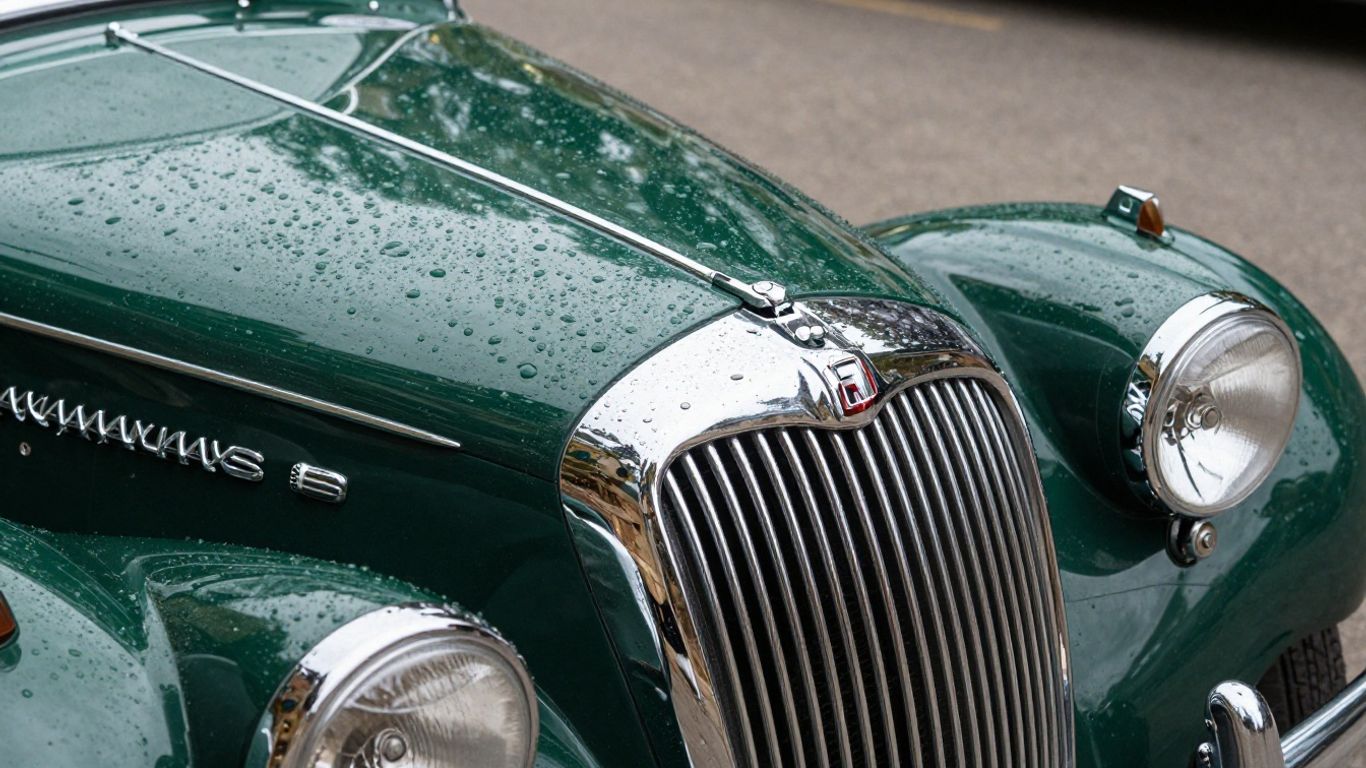
How ceramic coating bonds with automotive paint
A coating works best when the paint beneath it is clean, smooth, and free from oils or residue. During application and curing, the product forms a chemical bond with the prepared surface instead of merely sitting on top like a temporary dressing. That bond is why proper decontamination and application conditions matter so much. A coating cannot conceal badly neglected paint; it preserves the condition it is given.
For a broader look at the underlying process, this ceramic coating guide discusses chemical bonding, hydrophobic behavior, and long-term care in the context of MG vehicles.
The role of chemical resistance and surface hardness
The cured layer can help the clear coat resist contact with common chemical contaminants, including road film and acidic residue, for a period of time. Its surface hardness may also reduce the visibility of very light everyday abrasion, but hardness is not the same as scratch-proofing. A key distinction is that surface hardness has limits when a sharp object, loose grit, or impact applies enough force.
The coating is therefore best viewed as a sacrificial surface treatment. It can support paint preservation, but it cannot restore damaged clear coat or prevent a dent from reaching the panel.
Why hydrophobic behavior helps repel water and grime
Hydrophobic surfaces resist water adhesion, causing droplets to gather into beads and move away more readily. That behavior can carry loose dirt with the water, especially when the vehicle is rinsed and washed correctly. It does not mean that every contaminant disappears in the rain. Greasy road film, baked-on insects, and mineral-rich water still need sensible cleaning.
This hydrophobic coating explanation offers more detail on why water beads and rolls across a smooth coated surface. In practice, the benefit is less time fighting stuck-on residue, not a vehicle that never needs washing.
How ceramic coating differs from wax and paint sealants
Wax and paint sealants generally form a surface film that gradually wears away through exposure, washing, and weather. Ceramic coating is designed to bond with the prepared paint and usually lasts longer than a traditional wax application. The exact service life depends on the formulation, preparation, climate, storage, and care routine, so product claims should be read alongside warranty conditions.
A coating also requires more commitment at the start. Wax is relatively easy to reapply, while coating preparation can involve chemical decontamination, polishing, controlled curing, and careful aftercare.
The main MG ceramic coating benefits
The main appeal of coating an MG is the combination of appearance and day-to-day practicality. A clean, well-prepared surface can stay slicker, brighter, and less burdened by ordinary road contamination. These effects are useful, but they vary with driving conditions and the quality of the application. The coating should be considered one part of a paint-care plan, not a substitute for careful ownership.
The visible difference is often clearest after washing, when water forms tighter beads and the paint appears more even. The following professional coating service is a useful example of how preparation and application are treated as part of the protection process, although service details should always be confirmed directly.
Protection from UV exposure and oxidation
Sunlight gradually affects exposed paint, especially when the vehicle spends long periods outdoors. A ceramic coating can add a layer between the finish and the environment, helping reduce the effect of UV exposure and oxidation on the appearance of well-maintained paint. It cannot reverse fading that has already occurred, and it does not make neglected panels permanently immune to weathering.
Garage storage, shade, washing, and periodic inspection still matter. Coating is most helpful when it supports those habits rather than replacing them.
Resistance to road contaminants and environmental fallout
Road grime, salt, industrial fallout, bird residue, tree sap, and insects can adhere strongly to untreated paint. A coated surface is generally easier to clean before these materials dry and bond more firmly. Quick removal remains wise, because chemical exposure can stain paint or coating if ignored for too long.
This is particularly useful for vehicles that travel through busy urban areas or spend time near construction and heavy traffic. The protection is practical, but it is not unlimited chemical immunity.
Easier removal of dirt, mud, and water spots
The slicker surface created by a coating can reduce the effort required to rinse away loose dirt and mud. Washing becomes more predictable because contaminants are less likely to cling tightly to a smooth, properly maintained finish. Water spots are a more complicated matter: hydrophobic beading can help water leave the panel, but droplets left to evaporate may still deposit minerals.
The useful habit is to wash in manageable sections and dry before standing water disappears on its own. This preserves the appearance while reducing the need for aggressive scrubbing.
Enhanced gloss, depth, and paint clarity
A coating does not create perfect paint beneath it, but it can sharpen the look of a surface that has already been cleaned and corrected. Reflections may appear deeper, metallic flakes can look clearer, and the finish often feels smoother to the touch. Most of the visual result still comes from the paint condition and preparation completed before application.
For comparison, this high-gloss ceramic finish describes a similar focus on water repellency, appearance, and environmental protection. Treat stated durability periods as product-specific information rather than a universal expectation.
Potential long-term value for MG vehicle owners
Long-term value is not simply the coating price divided by the number of years it remains visible. It also includes reduced cleaning effort, easier contamination removal, and the pleasure of maintaining a cared-for vehicle. Owners who keep an MG for several years may value that convenience more than someone planning to sell soon.
A coating may support presentation and paint preservation, but resale value is influenced by service history, mechanical condition, mileage, accident history, and market demand as well. It should be treated as a personal ownership decision, not a guaranteed financial return.
How ceramic coating affects everyday vehicle maintenance
A coated car still needs a routine, although the routine can feel less demanding. The surface may release loose dirt more easily, yet poor washing can still create swirls and water marks. Gentle tools, sensible products, and prompt attention to contamination are more valuable than chasing a perfectly untouched finish. The goal is consistent care that works with the coating rather than against it.
Changes to washing frequency and technique
Hydrophobic behavior can help a vehicle stay presentable between washes, but driving conditions should determine the schedule. Dusty roads, winter salt, frequent highway travel, and outdoor parking all increase the need for cleaning. A pressure rinse can remove loose grit before contact washing, which lowers the chance of dragging abrasive particles across the paint.
Use separate tools for wheels and painted panels, work from the top down, and rinse mitts often. A coating may make washing easier, but it does not make an unsafe washing technique harmless.
Recommended pH-neutral cleaning products
A pH-neutral car shampoo is a sensible default for routine washing because it cleans without relying on unnecessarily aggressive chemistry. Strong degreasers and household detergents can interfere with the finish or remove maintenance products applied over the coating. Specialist cleaners may have a place for particular contamination, but they should be used according to their instructions.
The same principle applies to drying aids and toppers: compatibility matters more than a long list of promises. If a product is marketed as extending coating life, check whether it is intended for the coating already on the vehicle.
Why microfiber tools and gentle drying matter
Microfiber wash mitts and drying towels can trap particles away from the paint more effectively than rough or contaminated cloths. They still need proper washing and storage. A towel that has picked up grit, fallen on the ground, or become saturated with old polish can create the very marks the coating is meant to help prevent.
Keep a simple set of clean tools for the bodywork and another set for dirtier areas. Good technique is often less expensive and more reliable than trying to polish out avoidable damage later.
Handling bird droppings, tree sap, and bug residue
Organic contamination should be softened and removed promptly rather than scraped away dry. Place a damp microfiber towel over the affected area for a short period, then lift the residue gently and rinse the panel. Dried sap and insect remains may need a compatible remover, but rubbing harder is rarely the safest answer.
A useful maintenance routine includes these practical priorities:
- Remove acidic or sticky contamination as soon as reasonably possible.
- Rinse grit away before touching the paint with a wash mitt.
- Use dedicated microfiber towels for chemical removers.
- Rewash and dry the area after targeted spot cleaning.
These steps limit the time contaminants spend on the surface and reduce the temptation to scrub aggressively. They also make small incidents easier to manage before they become visible stains.
Preventing water spots after rain or washing
Water spots form when droplets dry and leave minerals behind. Beading does not eliminate that risk; in some conditions it can leave concentrated deposits where beads evaporate. Drying the vehicle after washing, parking out of harsh sun, and using filtered or softened water where practical can help.
If spots remain, start with the least aggressive compatible cleaner. Avoid polishing or using abrasive compounds until the cause and severity are clear, because unnecessary correction removes paint rather than solving the underlying washing habit.
Choosing the right ceramic coating for an MG vehicle
Choosing a coating involves more than comparing a product name or advertised lifespan. The condition of the paint, the installer’s preparation process, the vehicle’s storage, and the owner’s expectations all affect the outcome. An older MG may need a different preparation plan from a nearly new vehicle. A realistic consultation should explain both what the coating can do and where it stops.
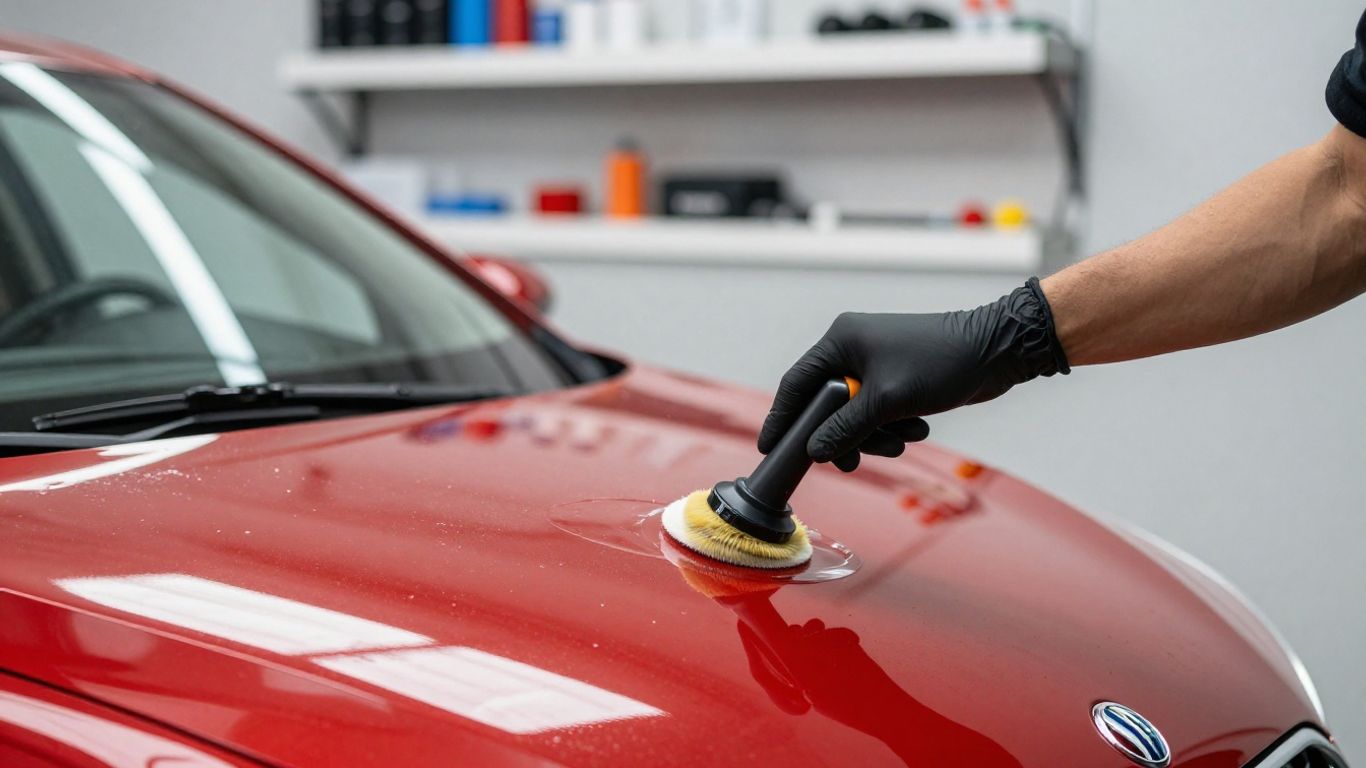
Comparing DIY kits with professional applications
DIY kits can suit an owner who is comfortable with paint preparation, controlled application, and careful curing. The challenge is not just spreading the liquid; contamination, uneven coverage, high spots, humidity, and premature contact can affect the finish. Professional application costs more, but it may include inspection, decontamination, polishing, and a controlled workspace.
Whichever route is chosen, read the instructions before buying. A lower purchase price does not necessarily mean lower total cost if application errors require correction.
Evaluating coating durability and warranty terms
Durability claims should be compared carefully because products use different testing methods and maintenance requirements. Ask what the warranty covers, what inspections are required, which products are approved for washing, and what happens if the coating shows uneven performance. A warranty may cover product or application issues without covering accidental damage, staining, or neglected maintenance.
Written terms are more useful than a headline number. They reveal the routine expected to keep the coating within its stated conditions.
Considering paint condition and vehicle age
New paint is not automatically ready for coating. Transport marks, dealer-installed swirls, bonded fallout, and light scratches may still need attention. Older paint may require more extensive correction, and a detailer should explain whether correction is appropriate for the remaining clear coat.
The aim is not to make every panel perfect at any cost. It is to create a clean, stable foundation that gives the coating a fair chance to perform.
Matching the coating to driving habits and storage
A daily commuter parked outdoors faces different conditions from a weekend vehicle stored in a garage. Frequent highway driving increases exposure to insects and road film, while short urban trips may bring dust, brake residue, and tight parking hazards. Owners who rarely wash their vehicles should not expect a coating to compensate indefinitely.
Consider how often the vehicle is driven, where it is parked, how quickly contamination can be removed, and whether regular maintenance is realistic. The best choice is the one that fits those habits rather than the one with the most impressive brochure.
Checking installer preparation and application standards
Ask how the vehicle will be washed, chemically decontaminated, inspected, polished, and prepared before coating. The installer should also explain panel-by-panel application, curing conditions, delivery timing, and aftercare. Clear answers usually indicate a more careful process than a promise based only on shine.
For general context on maintenance and coating routines, this vehicle care overview explains how a bonded protective layer can influence washing frequency and cleaning effort. Use it as background, then evaluate the actual installer and product separately.
What ceramic coating does not protect against
Ceramic coating is often described in terms that sound broader than its practical protection. It can help with contamination, gloss, and routine maintenance, but it is not armor. Understanding its limits prevents disappointment and helps an owner choose a second protection method when impact risk is the priority.
Limits against rock chips, scratches, and dents
A coating may resist very light surface abrasion, but it will not reliably stop a stone from chipping the front of a panel. It cannot prevent dents from shopping carts, doors, hail, or parking impacts. Deep scratches can pass through the coating and clear coat into the color layer or metal beneath.
If impact damage is a major concern, discuss a protection system designed specifically for that type of exposure rather than treating ceramic coating as a substitute.
Why paint protection film may be better for impact protection
Paint protection film is a physical film designed to absorb and deflect more substantial impact than a liquid coating. It may be considered for vulnerable areas such as a front bumper, bonnet, mirrors, or other high-exposure panels. The right choice depends on appearance preferences, budget, coverage, and installation quality.
Ceramic coating and impact-focused protection serve different purposes. One can support gloss and easier cleaning, while the other is selected primarily for a thicker physical barrier.
Managing swirl marks caused by improper washing
A coating does not prevent grit from being dragged across the surface by a dirty mitt or towel. Automatic brushes, harsh wiping, and poor drying can still create fine marks. Surface hardness may reduce some minor marring, but it cannot overcome repeated abrasive contact.
Use pre-rinsing, clean tools, lubrication, and a low-pressure drying method. If swirls develop, ask a professional whether they are in the coating, the clear coat, or both before attempting correction.
Understanding the risk of staining and mineral deposits
Hard-water minerals, industrial fallout, bird residue, and tree sap can leave deposits even on a coated vehicle. The coating may make some marks easier to remove, but it does not guarantee a stain-free surface. Heat and time can make contamination more difficult, especially on dark paint.
Regular inspection is simple: after washing, look across the panels in indirect light and address unusual spotting early. A compatible mineral or water-spot remover may help, while aggressive compounding should be a last resort.
Setting realistic expectations for coating performance
The most accurate expectation is improved resistance to everyday contamination and a more manageable cleaning routine. The coating will not eliminate washing, repair chips, prevent dents, or preserve neglected paint without owner involvement. Its performance also changes as the vehicle encounters weather, chemicals, friction, and poor maintenance.
Clear expectations make the decision easier. If the priority is shine and easier upkeep, coating may fit; if the priority is impact protection, another approach may be more suitable.
MG ceramic coating costs, care, and long-term value
Pricing varies because a coating appointment is often a preparation service as much as a product application. Vehicle size, paint condition, correction needs, product choice, and the installer’s process all affect the bill. Looking only at the liquid product can give a misleading impression of the total work involved. A fair comparison considers what is included before, during, and after application.
Factors that influence application pricing
A larger vehicle generally requires more product and labor, while complex bodywork can increase preparation time. The number of coating layers, expected service life, warranty administration, and the installer’s facilities may also influence price. Local labor rates and demand matter as well.
Request an itemized quote that separates washing, decontamination, paint correction, coating application, glass or wheel treatments, and aftercare. That makes different offers easier to compare without assuming that the cheapest headline figure is equivalent.
Preparation, paint correction, and additional services
Paint correction is often the largest variable. Light polishing may be enough for a new vehicle, while older paint may need multiple stages to reduce oxidation, scratches, or swirls. Wheel, trim, glass, and interior services can be useful, but they should be listed separately so the owner can decide what matters.
Preparation is not cosmetic busywork. Since the coating bonds to the surface it receives, removing residue and improving the paint beforehand directly affects the final appearance.
How maintenance affects coating lifespan
A coating lasts best when it is washed with compatible products, dried carefully, and protected from prolonged contamination. Strong chemicals, abrasive tools, automatic brush washes, and neglected deposits can shorten its useful performance. Storage under cover can also reduce exposure to UV and environmental fallout.
Keep records of the application date, product, approved cleaners, and any required maintenance visits. That information helps avoid incompatible treatments and gives a future installer a clearer starting point.
When professional inspections or top-ups are useful
An inspection can identify whether reduced beading comes from contamination, a maintenance product, mineral deposits, or genuine coating wear. A professional may recommend decontamination, a compatible maintenance layer, or localized correction rather than a complete reapplication. The right remedy depends on the surface condition.
Inspections are particularly useful before a warranty deadline or after a period of neglected care. They turn vague concerns into a specific maintenance decision.
Assessing whether the investment fits your ownership plans
Coating tends to make more sense when the owner values appearance, plans to keep the vehicle, and can maintain the surface properly. Someone selling soon, parking beside trees, or rarely washing may prefer a simpler approach. The calculation should include preparation, future care, possible inspections, and the value of saving time during routine cleaning.
An MG owner can also weigh the vehicle’s age, paint quality, use, and emotional value. The best result is not necessarily the most expensive package; it is the protection plan that matches how the vehicle is actually used.
Conclusion
Ceramic coating can bring meaningful MG ceramic coating benefits, from easier contamination removal and stronger water repellency to a brighter, better-kept finish. Its value depends on preparation, realistic expectations, and consistent maintenance. Treat it as a long-term paint-care aid rather than a replacement for careful washing or impact protection, and the decision becomes much easier to assess.
Frequently Asked Questions
Is ceramic coating worth it for an MG vehicle?
It can be worthwhile for an owner who values gloss, easier washing, and ongoing paint care. The decision depends on the vehicle’s condition, storage, driving habits, budget, and willingness to follow the recommended maintenance routine.
How long does ceramic coating last?
Service life varies by product, preparation, climate, driving conditions, storage, and maintenance. Warranty periods can provide guidance, but they are not universal guarantees and often require specific care or inspections.
Does ceramic coating prevent scratches?
No. It may help resist very light surface abrasion, but it will not reliably stop deep scratches, rock chips, dents, or deliberate damage. Impact-focused protection should be considered when those risks are the main concern.
Can a coated vehicle go through an automatic car wash?
It is generally better to avoid automatic washes with abrasive brushes. A touch-free wash may be less physically aggressive, but careful hand washing with clean tools and compatible shampoo offers better control.
Will ceramic coating stop water spots?
No. Hydrophobic behavior helps water move away, but droplets that dry on the surface can still leave mineral deposits. Drying after washing and removing deposits early can reduce the risk.
Does paint correction need to happen before coating?
The paint should at least be thoroughly cleaned and decontaminated. Whether polishing or correction is needed depends on the vehicle’s age, defects, finish, and the owner’s expectations for the final appearance.
What is the best way to maintain ceramic coating?
Wash regularly with a pH-neutral shampoo, use clean microfiber tools, rinse away grit before contact washing, dry gently, and remove bird droppings, sap, and insects promptly. Follow the coating manufacturer’s specific care instructions when available.