

Key Takeaways
Cold-weather preparation is mostly about catching ordinary wear before it becomes a winter problem. Check the owner’s manual for model-specific requirements, and have a qualified technician handle anything you cannot inspect safely.
- Test the 12-volt battery and inspect its connections before cold weather arrives.
- Check tire condition and pressure regularly, and consider winter tires when local conditions call for them.
- Confirm that coolant, engine oil, and washer fluid suit the climate and the vehicle’s requirements.
- Keep windows, lights, wipers, and brakes in good condition for shorter days and slippery roads.
- Wash off road salt and carry basic supplies for a breakdown or delay.
Prepare the battery and electrical systems
Cold weather can make a weak battery more noticeable, while dark mornings and evenings put lights and other electrical equipment to regular use. A little attention before the first hard freeze can help you spot a tired battery or a loose connection in time. For MG winter vehicle maintenance, check the owner’s manual for the correct testing and service guidance for your particular vehicle. Do not work on high-voltage EV components yourself; arrange qualified service if you have a concern.
Check the 12-volt battery’s condition and charge
Look for visible damage, swelling, corrosion, or signs that the battery is no longer holding charge reliably. If the vehicle has been slow to start or has shown a battery warning, ask a repair professional to test it rather than relying on appearance alone. A battery tester can give a better indication of condition than a quick glance, and any replacement should meet the vehicle’s specifications. A battery test before the first freeze is a simple way to catch a developing problem.
Test the charging system and inspect battery connections
A battery that repeatedly loses charge may not be the only issue; the charging system or a poor connection could also need attention. With the vehicle off, check accessible terminals for looseness or corrosion, following the manual’s safety instructions. If warning lights appear, or the battery does not stay charged, have the system assessed by a qualified technician. Electrical reliability also depends on the condition of connections and charging components, not just the battery itself.
Understand how cold weather affects EV range and charging
Low temperatures can reduce the range available to an EV and may change how long charging takes. The effect varies with the vehicle, temperature, route, and use of heating, so rely on the owner’s manual and the vehicle’s own range information rather than a single rule of thumb. If your winter routine includes longer drives, build in extra range margin and identify charging options before setting out. A practical winter journey plan is more useful than estimates borrowed from a different vehicle.
Check tires for winter driving
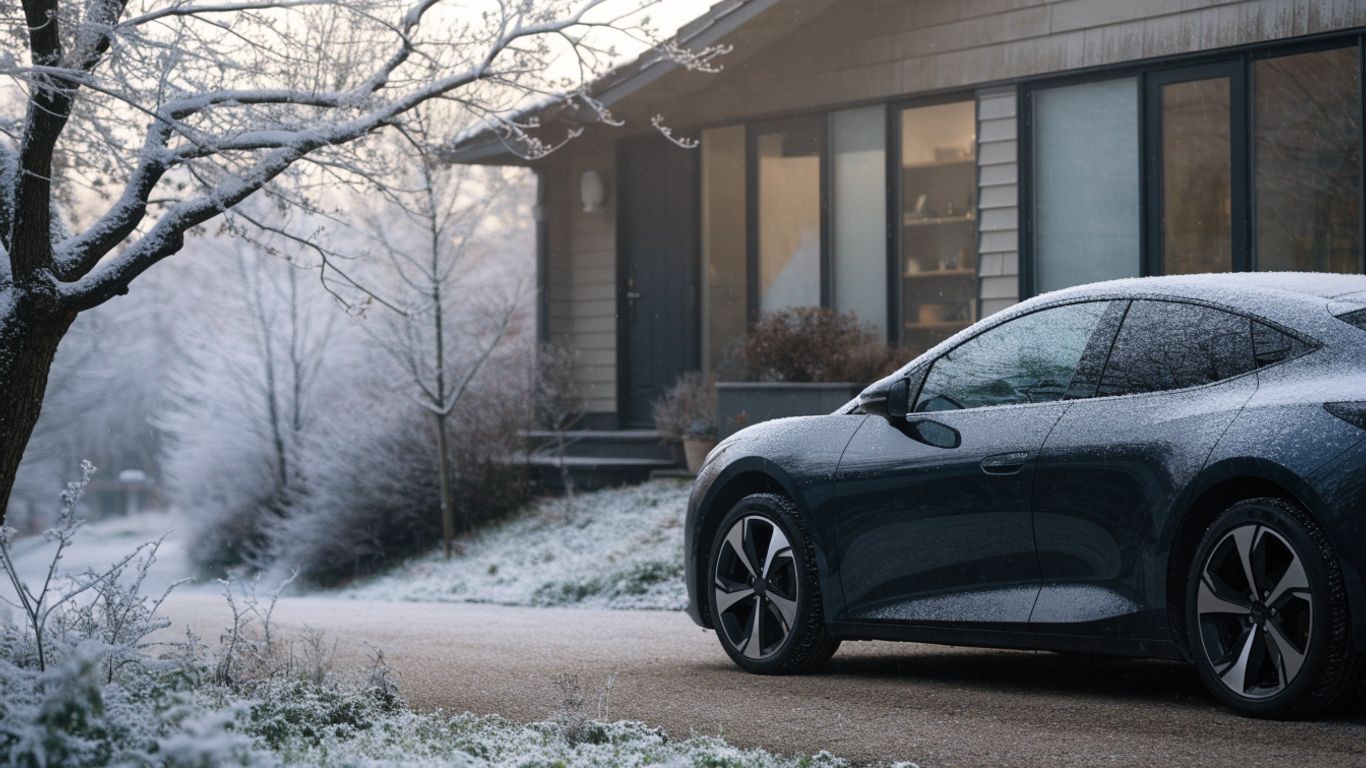
Tires are the car’s only contact with the road, so small issues matter more when pavement is cold, wet, or icy. Look over all four tires before winter and keep checking them through the season, especially after a sharp temperature change. Conditions vary by region, and the right tire choice depends on the roads you regularly drive. The winter driving checklist is another reminder to include tires alongside lights, wipers, and fluids before a trip.
Inspect tread depth, pressure, and tire condition
Check the tread across each tire, not just in the center, and look for cracks, bulges, punctures, or uneven wear. Use a tread-depth gauge if you have one, and follow the vehicle manual and local rules for acceptable tread. Uneven wear can point to an alignment or inflation issue that deserves attention. If you see damage or are unsure whether a tire is safe, ask a tire professional to inspect it before driving in winter conditions.
Choose winter tires when conditions call for them
Winter tires may be appropriate where snow, ice, or sustained cold is common; an all-season tire may not provide the same performance in severe winter conditions. Consider your local climate, the roads you use, and any relevant tire requirements before deciding. Replace tires as a matched set when the manufacturer or tire professional recommends it, and confirm the correct size and specification for the vehicle. The best option is one suited to your actual winter routes, not simply the calendar.
Recheck tire pressure as temperatures change
Tire pressure can drop as the air gets colder, so a reading taken in mild weather may not stay accurate through winter. Check pressure when the tires are cold and use the inflation figures shown on the vehicle’s placard or in its manual, rather than the maximum pressure printed on the tire sidewall. This table can help organize a simple inspection; the vehicle’s specifications remain the reference for the correct pressure.
| What to check | What to look for | Next step |
|---|---|---|
| Pressure | A reading below the vehicle’s listed value | Inflate to the specified pressure when tires are cold |
| Tread | Shallow or uneven wear | Measure tread and seek an inspection if needed |
| Sidewalls | Cracks, bulges, or visible damage | Ask a tire professional before driving |
| Spare or repair kit | Missing, damaged, or out of date | Restore the equipment specified for the vehicle |
Recheck after substantial temperature swings and before a long drive. Keeping a small pressure gauge in the car makes the check easier, while a recurring loss of pressure calls for professional attention rather than repeated top-ups alone.
Protect fluids, filters, and engine components
Fluids and service items should match the vehicle and the temperatures it will face. The manual gives the correct specifications and service intervals, which can differ between models and powertrains. Before changing anything, check those instructions or ask a technician; the wrong product can cause problems. A general cold-weather fluid and filter guide can serve as background, but it should not override the manufacturer’s requirements.
Verify coolant concentration and condition
Coolant helps regulate temperature and protect the cooling system, so check its level and condition using the method in the manual. If the coolant is low, discolored, or due for service, find out why and confirm the correct specification before adding or replacing it. Never open a hot cooling system. A technician can check concentration and condition safely, particularly if there is a leak, warning light, or history of overheating.
Use the right engine oil and washer fluid for the climate
For a vehicle with an engine, use oil that meets the grade and specification listed for that model; cold-weather suitability is not a reason to guess at viscosity. Check the oil level and service timing, and ask a professional if the manual’s guidance is unclear. Choose washer fluid rated for the lowest temperatures you expect, then top it up before freezing weather sets in. These small checks help avoid preventable trouble without substituting a generic winter recipe for the vehicle’s requirements.
Inspect filters, belts, and hoses for wear
During a routine service, ask for accessible filters, belts, and hoses to be checked for wear, cracks, looseness, or leaks. A damaged hose or worn belt can become a larger problem if it is ignored, and replacing parts on a schedule is preferable to waiting for a breakdown. Do not reach into a running engine compartment or attempt repairs beyond your experience. A mechanic can identify what needs attention and what can simply be monitored.
Make sure visibility and lighting are ready
Winter brings longer periods of darkness, wet roads, and spray that can quickly cover glass and lamps. Good visibility starts with clean surfaces, working washer equipment, and lights that other drivers can see. Check these items before the weather turns, then repeat the inspection when road grime builds up. A clear view of the road is a basic safety need, not just a comfort on cold mornings.
Replace worn wiper blades and clear the washer jets
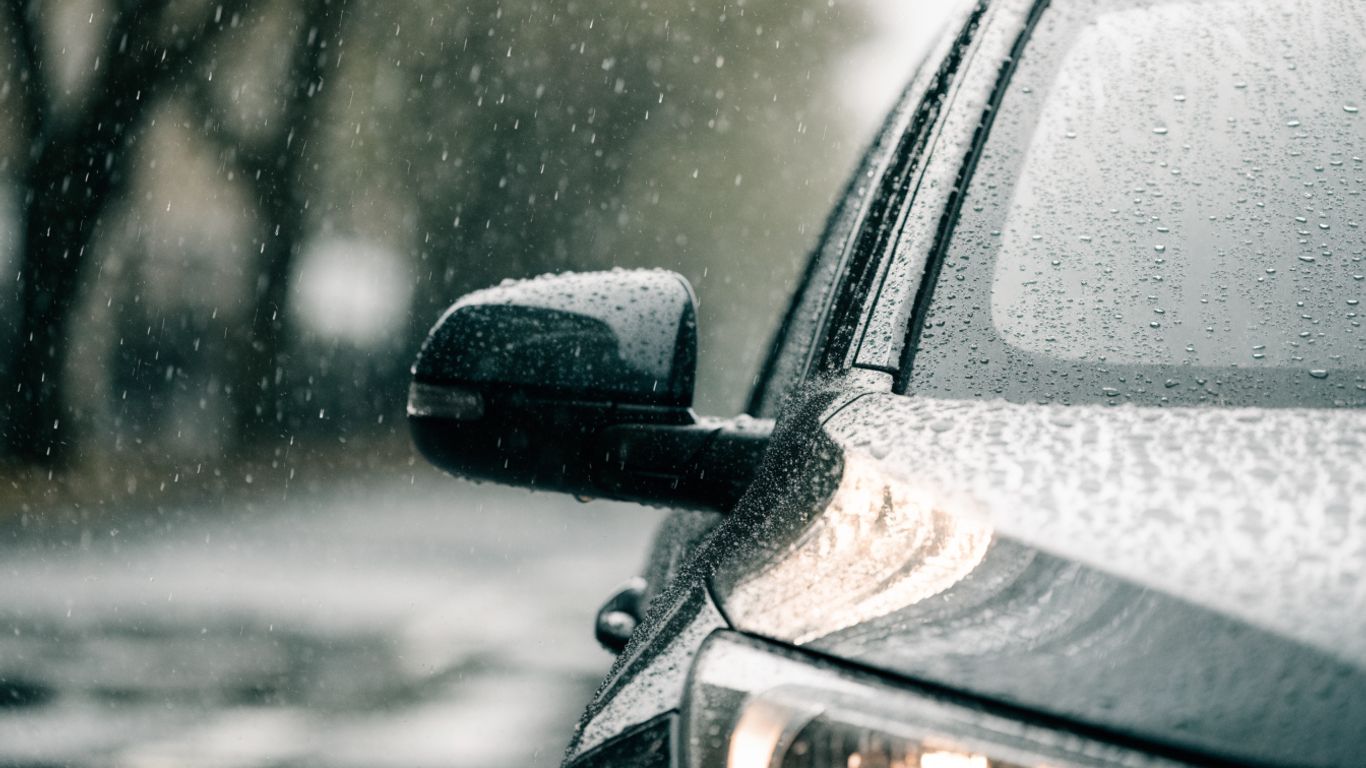
Wiper blades that leave streaks, chatter, or skip across the windshield may need replacement. Check the washer reservoir and use fluid rated for the temperatures in your area; plain water can freeze in the system. If a jet is blocked, clear it gently without damaging the nozzle, and check that fluid reaches the glass. Good wipers are especially useful when passing traffic throws slush or dirty water onto the windshield.
Clean windows, mirrors, cameras, and sensors
Before setting off, clear frost and condensation from every window and mirror, and wipe away salt film that can build up during a drive. Clean exterior cameras and sensors gently, following the manual’s instructions so their surfaces are not scratched or obstructed. Keep the windshield clear around any driver-assistance equipment. If a warning remains after cleaning, consult the vehicle manual or arrange service rather than assuming the system is working normally.
Check headlights, brake lights, and turn signals
Walk around the vehicle and check that the headlights, rear lights, brake lights, and turn signals illuminate. Clear snow and grime from the lamp covers, and replace a failed bulb or have the lighting system repaired as appropriate. Ask another person to confirm the brake lights if you cannot see them reflected nearby. If a lamp continues to fail, have the wiring or connection checked instead of treating the bulb as the only possible cause.
Inspect brakes and prepare for slippery roads
Brakes deserve attention before winter because stopping distances and available traction can change quickly on slick roads. A routine inspection can identify wear, leaks, or corrosion that might otherwise go unnoticed. Regenerative braking on an EV does not remove the need to inspect its friction brakes. If you hear unusual noises, feel vibration, or notice a change in pedal response, arrange an inspection promptly.
Check brake pads, discs, and fluid
Have the pads, discs, and brake fluid checked at the intervals recommended for the vehicle. A soft pedal, grinding sound, warning light, or pull to one side needs prompt professional assessment. Brake fluid service timing varies, so follow the manual instead of using an assumed interval. Do not postpone a brake concern until the weather improves; dependable stopping is essential in every season.
Look for corrosion and uneven wear
A technician can look for corrosion, sticking components, leaks, and uneven wear during a brake inspection. Short trips and exposure to water or road salt can leave parts needing closer attention, but symptoms alone cannot establish what is wrong. Mention any change in noise or braking feel when booking service. If the vehicle has been sitting for a long time, it is sensible to have the brakes checked before returning to regular driving.
Adjust driving habits for snow, ice, and reduced traction
Leave more distance than usual, slow down smoothly, and avoid abrupt steering or braking where traction is limited. Give yourself extra time to clear the vehicle and choose a route that suits current road conditions. A few useful habits are easy to remember:
- Accelerate gently instead of spinning the tires.
- Increase following distance and begin braking earlier.
- Steer and brake smoothly, avoiding sudden inputs.
- Slow down before hills, bends, bridges, and shaded areas.
These adjustments cannot eliminate the risk of a slippery road, but they leave more room to respond. If conditions are poor, delaying the trip may be safer than trying to make up time.
Protect the exterior and prepare an emergency kit
Road salt, slush, and grit can collect on paint and underbody surfaces through winter. Regular cleaning and a small emergency kit make cold-weather ownership easier, particularly when a journey is delayed. Check the manual for any care instructions specific to the vehicle, and inspect areas that are difficult to see during ordinary washing. Where a car is parked also matters: questions about garage flooring are separate from vehicle care, but a clean, dry place to park can make winter checks more comfortable.
Wash away road salt and protect vulnerable surfaces
Rinse road salt and dirt from the body and underbody regularly, paying attention to wheel arches and other areas where grime gathers. Follow the vehicle’s care guidance for washing and paint protection, and avoid directing high-pressure spray at sensitive components or seals from very close range. Clean the car after particularly salty or slushy drives when practical. This helps keep buildup from lingering on surfaces through the season.
Check door seals, locks, and underbody condition
Inspect door seals for tears or gaps and check that doors and locks operate normally before freezing weather arrives. Keep seals clean and use only products suitable for the materials, as directed by the vehicle’s care information. Look for unusual damage or accumulated debris underneath the vehicle, but do not crawl beneath a car that is supported only by a jack. If you find damage, arrange a proper inspection.
Pack cold-weather essentials for breakdowns and delays
A compact kit can make an unexpected wait more manageable, especially when temperatures fall or daylight fades. Choose items that fit your local conditions and the space in your vehicle; avoid packing anything that could become a hazard if it moves around. For example, a winter kit could include:
- Warm clothing, gloves, and a blanket.
- A flashlight with spare batteries or a charged light.
- A phone charger and drinking water.
- A reflective warning device and basic first-aid supplies.
Keep the kit accessible and check it occasionally so batteries and other supplies remain usable. A little planning for a delayed journey can be as practical as checking the car itself; needs differ widely, from exchange student accommodation to remote work payroll, but neither replaces roadside preparation. For drivers comparing general service experiences, the MG EV owner community discusses a range of ownership and maintenance topics; individual posts are not a substitute for the manual or professional advice. Likewise, Traffic Secrets is unrelated to vehicle maintenance, so keep winter decisions grounded in the car’s requirements and road conditions.
Conclusion
A steady winter routine is less about doing everything at once than catching wear, checking the vehicle’s requirements, and responding to changing conditions. Inspect the basics before temperatures drop, keep visibility and tires in good shape, and ask a qualified professional about anything uncertain. That practical approach can make cold-weather driving feel more prepared without treating any checklist as a substitute for the owner’s manual.
Frequently Asked Questions
How often should I check tire pressure in winter?
Check it regularly, especially when temperatures change sharply and before longer drives. Measure when the tires are cold and use the pressure listed on the vehicle placard or in the manual.
Do I need winter tires where I live?
That depends on local weather, road conditions, and applicable requirements. If you regularly encounter snow, ice, or sustained cold, ask a tire professional whether winter tires suit your routes and vehicle.
Can cold weather affect an electric vehicle’s range?
Yes, low temperatures can affect available range and charging time. The impact depends on the vehicle and conditions, so use the vehicle’s guidance and leave a sensible margin for winter journeys.
Which fluids should I check before winter?
Check coolant, engine oil where applicable, and windshield washer fluid. Use only products that meet the vehicle’s specifications and suit the expected temperature range.
When should I replace windshield wipers?
Replace blades when they streak, chatter, skip, or fail to clear the glass effectively. Check washer fluid and jets at the same time so the system can clear road grime.
What should I do if my brakes make a new noise?
Arrange a professional inspection, particularly if the noise comes with vibration, a warning light, pulling, or a change in pedal feel. Do not assume the sound will disappear once roads dry out.
What should I keep in a winter emergency kit?
Consider warm clothing, a blanket, a flashlight, a phone charger, water, a reflective warning device, and basic first-aid supplies. Adjust the kit to local conditions and secure items so they cannot shift while driving.