

Key Takeaways
A little preparation can make summer driving easier and help you spot developing problems before a long trip.
- Follow the owner’s manual and service schedule, and check essential items before travelling.
- Keep an eye on coolant and respond promptly if the temperature rises.
- Check tire pressure when the tires are cold, and inspect tread and sidewalls.
- Wash off residue, use shade where possible, and limit cabin heat.
- Plan for hot weather, heavy traffic, and sensible breaks on longer journeys.
Check your MG before summer driving
A summer check is a chance to catch small issues before they turn into roadside delays. Start with the maintenance information for your vehicle, then take a few minutes to look over the basics. A quick walk-around can also help you notice changes since your last drive. For a broader pre-trip reminder, see this pre-drive checklist.
Review the owner’s manual and service schedule
Use the owner’s manual as your reference for service intervals, recommended fluids, and any inspection steps specific to your vehicle. If a service is due, arrange it before a demanding trip rather than waiting until you are already on the road. Keep a note of what has been checked and when; clear writing tips can help make a maintenance log easier to scan later.
Inspect fluid levels, belts, hoses, and wipers
With the vehicle parked on level ground and the engine cool, check the fluid levels described in the manual. Look for cracked or visibly worn belts, bulging or damaged hoses, and wiper blades that leave streaks or skip across the glass. If an inspection suggests that a component needs replacing, a trusted car-parts supplier can help you look for the right fit; confirm compatibility before buying.
Pack essentials for hot-weather trips
A small collection of useful items can make an unexpected stop less stressful, especially when the weather is hot. Choose what suits the trip and the vehicle, and keep items secured rather than loose in the cabin.
- Drinking water for everyone travelling
- A phone charger and a charged power bank
- Sunglasses and a sunshade for the windshield
- A flashlight and basic roadside supplies
Keep water accessible and check that any roadside equipment is in usable condition. For a longer drive, review your route and rest stops before leaving rather than relying on last-minute planning.
Keep the cooling system working properly
Hot weather and slow traffic can make a cooling-system problem more noticeable. A check before the season gets busy gives you time to address low coolant or visible damage without rushing. Follow the owner’s manual for the correct inspection procedure, and never open a hot cooling system. The summer heat checks offer another general reminder to include coolant and other routine checks in seasonal preparation.
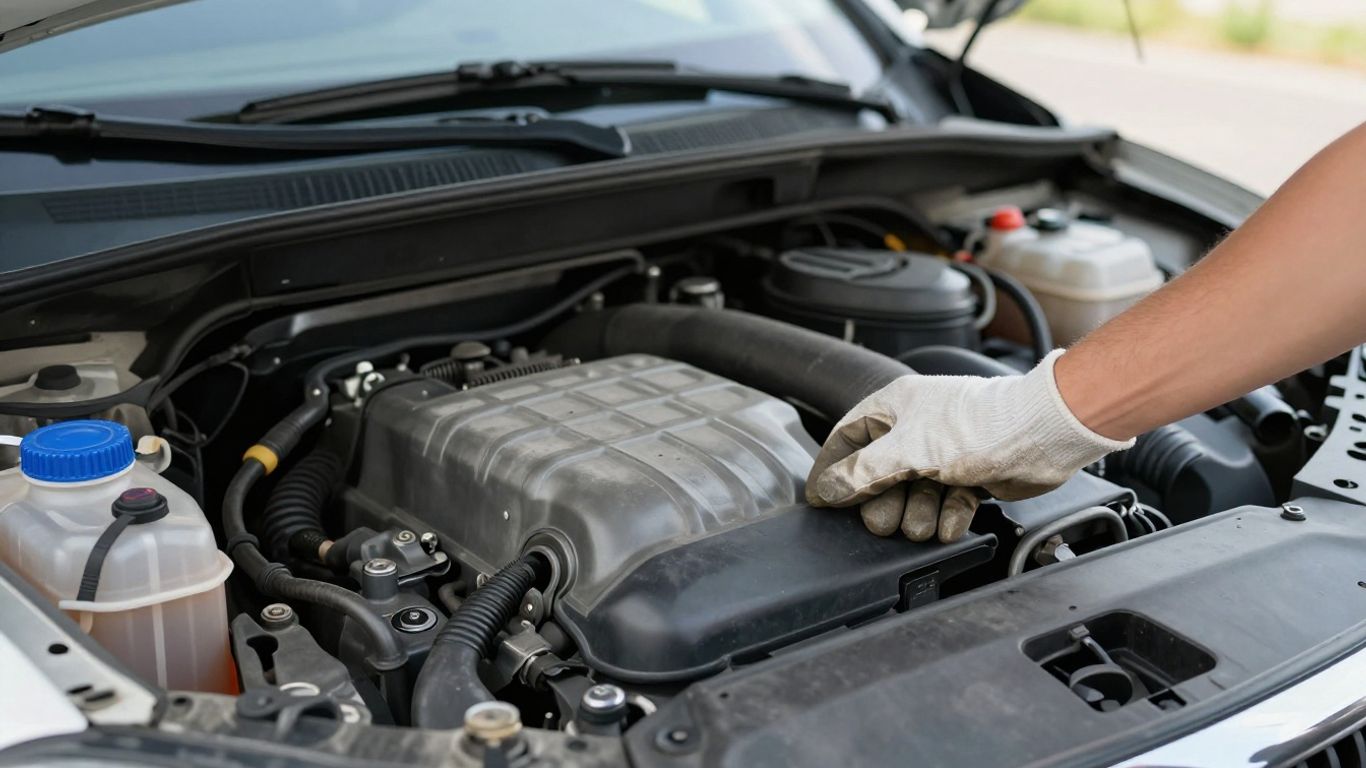
Check coolant level and condition
Check the coolant only when the engine is cool, and compare the level with the markings or instructions in the manual. If the level is low, there is a leak, or the fluid looks unusual, seek advice rather than simply topping it up and assuming the issue is solved. Coolant types and procedures vary, so use only what the vehicle’s manual specifies.
A simple record can make it easier to spot a change between checks. Use the manual as the authority, and treat the following as prompts to investigate rather than a substitute for service guidance.
| What you notice | What to do next |
|---|---|
| Coolant below the marked range | Recheck when cool and follow the manual’s instructions |
| A recurring drop in level | Arrange an inspection for a possible leak |
| Damaged or swollen hose | Ask a qualified technician to assess it |
| Unusual fluid appearance | Seek advice before continuing as normal |
These observations do not diagnose a fault, but they can help you explain what you have seen to a technician. If you need a replacement component, check its fit against the vehicle details instead of choosing by appearance alone.
Watch for signs of overheating
Pay attention to a temperature warning, steam, an unusual smell, or a sudden change in how the engine feels. Stop safely if a warning appears and take it seriously; continuing to drive may worsen the problem. A rising gauge in traffic is also a reason to find a safe place to pull over and reassess, not to ignore the display.
Know what to do if the temperature rises
Pull over somewhere safe as soon as you can, switch off the engine, and give it time to cool. Do not remove a radiator cap or open a pressurized coolant reservoir while the system is hot. If the warning remains, you see a leak, or you are unsure what caused the temperature to rise, contact roadside assistance or a qualified repairer.
Prepare tires for hot roads
Tires are the vehicle’s contact with the road, so a quick inspection matters before summer trips. Heat, distance, and a heavy load make it especially worthwhile to check pressure and condition rather than relying on appearance alone. The owner’s manual or tire placard provides the right pressure information for your vehicle and load.
Check pressure when tires are cold
Measure pressure before driving far, when the tires are cold, and use the vehicle’s recommended figures rather than the maximum printed on the tire sidewall. A tire can look properly inflated and still be outside the recommended range. If you have been driving, let the tires cool before taking a reading; do not release air from a warm tire just to match a cold-pressure figure.
Inspect tread, sidewalls, and the spare
Look for uneven wear, cuts, bulges, embedded objects, or other visible damage. Check tread depth using the method recommended in your area, and make sure the spare is present and ready if your vehicle carries one. If anything looks unsafe or you are uncertain about the tire’s condition, get it checked before setting off.
Adjust checks for long trips and heavy loads
A full cabin or luggage-heavy journey is a good reason to check the pressure recommendations for that load. Recheck before leaving, and make another stop to look over the tires during a long drive. For electric vehicles, general summer EV charging tips also discuss planning charging and checking tire pressure in hot conditions.
Protect your MG’s exterior and interior
Sun, dust, insects, and road residue can all build up during summer driving. Regular cleaning makes it easier to spot paint damage and keeps grime from sitting on the surface for long. When choosing care products, stick with items made for automotive surfaces; advice about olive oil for cooking belongs in the kitchen, not on a car’s paintwork.
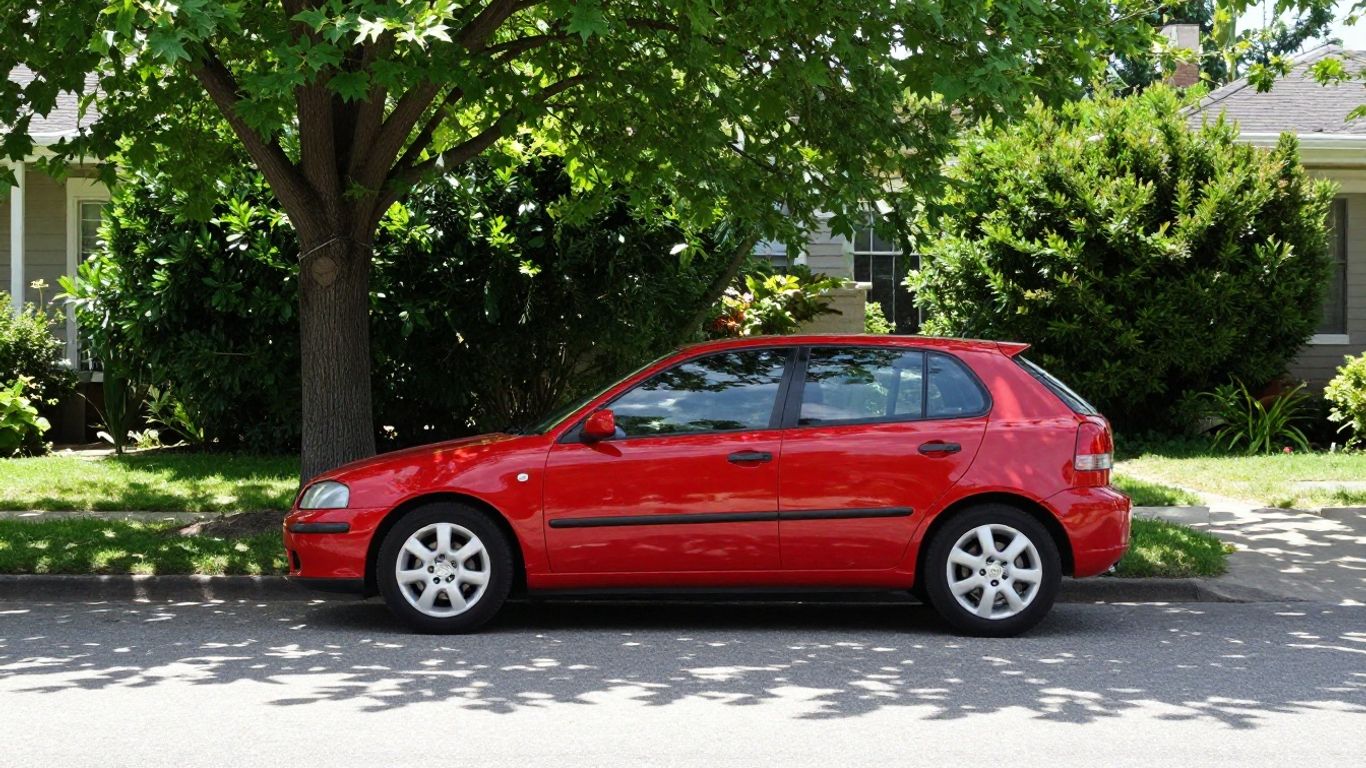
Wash away dust, insects, and road residue
Rinse loose grit away before washing so it is less likely to scratch the paint. Use a clean, soft cloth or mitt and a suitable car-wash product, then dry the vehicle to reduce water marks. Remove fresh insect residue and bird droppings as soon as practical, using a gentle approach rather than scraping at the surface.
Use shade and suitable paint protection
Whenever it is convenient, park in a garage, covered space, or natural shade to reduce the time the paint spends in direct sun. If you use a protective product, choose one intended for your vehicle’s finish and follow its directions. Avoid assuming that every coating or cleaner is appropriate for every surface; careful, compatible care is the safer choice.
Reduce cabin heat and protect interior materials
A windshield sunshade and shaded parking can make a parked cabin less exposed to direct sunlight. Before driving, let hot air escape by opening the doors briefly, then set the climate controls to a comfortable level. Do not leave children, vulnerable passengers, or pets in a parked vehicle in hot weather.
Care for the battery and electrical systems
Heat can make an existing battery or electrical problem more apparent, so a quick check is sensible before a busy travel period. Look for obvious damage and pay attention to changes in starting or electrical behavior. If you need a replacement part, verify the vehicle details and specifications first; a car-parts supplier with access to a broad network may help locate a suitable option.
Check the 12-volt battery and connections
Look for corrosion, loose connections, or visible damage, but do not touch or disconnect components unless you know the safe procedure for your vehicle. If the engine turns over slowly or the battery repeatedly loses charge, arrange a proper test. A technician can check the battery and charging system rather than guessing which part is responsible.
Use safe charging habits for an MG EV
Follow the vehicle and charger instructions, and use charging equipment as directed. Check cables and connectors for visible damage before use, and avoid charging with equipment that appears worn or compromised. Plan charging stops ahead on long journeys, allowing for weather, traffic, and the availability of charging facilities.
Look out for warning lights and electrical issues
Take warning lights seriously, especially if they appear with flickering displays, unusual smells, or problems starting the vehicle. Check the manual for the meaning of a symbol and whether it calls for stopping or arranging service. Avoid repeatedly resetting a warning without understanding its cause.
Drive and park with summer conditions in mind
Summer driving is not only about maintenance; timing and small choices on the road can affect comfort and safety. Heat, congestion, and a loaded vehicle can make a familiar trip more tiring than expected. Build in a little flexibility, and check the vehicle before setting out rather than trying to solve issues at the roadside.
Plan around extreme heat and heavy traffic
Check the forecast and traffic conditions before departure, and consider travelling at a cooler time when that is practical. Allow extra time for delays and make sure passengers have water within reach. If a journey involves moving a vehicle across a border, review the import paperwork and planning well in advance, as those arrangements go beyond ordinary trip preparation.
Park strategically to limit heat exposure
Choose a covered or shaded space when available, and use a windshield shade if the vehicle must sit in direct sun. When parking outdoors for a while, consider which direction the sun will reach the cabin and avoid leaving heat-sensitive items inside. Even a short search for shade can make the return to the car more comfortable.
Take sensible breaks on long journeys
Stop at regular intervals to stretch, drink water, and check that everyone is comfortable. Use breaks to notice anything unusual about the tires or vehicle, especially after a long stretch in hot traffic. Keep the schedule realistic; arriving later is better than pushing on when tired or overheated.
Conclusion
Good MG summer car care is mostly steady preparation: follow the manual, check the cooling system and tires, protect the cabin where you can, and respond promptly to warning signs. A few simple checks before leaving can make hot-weather journeys calmer and help you notice when the vehicle needs professional attention.
Frequently Asked Questions
How often should I check tire pressure in summer?
Check pressure when the tires are cold before a long trip and at regular intervals as part of routine maintenance. Follow the pressure figures in the owner’s manual or tire placard.
Should I check coolant when the engine is hot?
No. Let the engine cool before checking coolant, and follow the vehicle’s manual. Never open a hot, pressurized cooling system.
What should I do if the temperature warning comes on?
Pull over safely, switch off the engine, and let it cool. Do not open the coolant system while hot; seek assistance if the warning persists or you see a leak.
Can I use any cleaning product on car paint?
Use a product intended for automotive paint and follow its directions. Household cleaners may not be suitable for a vehicle’s finish.
Is a windshield sunshade useful in hot weather?
A sunshade can reduce direct sunlight entering through the windshield while the vehicle is parked. Shaded or covered parking can also limit cabin heat exposure.
What should I pack for a hot-weather road trip?
Consider water, a phone charger, sunglasses, a windshield shade, and basic roadside supplies. Choose items suited to the trip and secure them in the vehicle.
Should I keep driving if my car shows an electrical warning?
Check the owner’s manual for the warning’s meaning and follow its instructions. If the warning is accompanied by unusual behavior or you are unsure whether it is safe to continue, stop safely and seek professional advice.