

Key Takeaways
Finding affordable and high-quality vintage car bits requires patience and a systematic approach to research. This guide covers how to navigate the market to keep your classic roadster on the road without breaking the bank.
- Decode engine prefixes and factory numbers before beginning your search.
- Always inspect images closely for signs of concealed corrosion.
- Build a network with local enthusiasts to access private inventories.
- Secure payment methods protect your transaction from common pitfalls.
- Prioritize safety when dismantling or cleaning used braking components.
Identifying the right used parts for your MG
Tracking down the correct components for an aging British roadster often starts with understanding the manufacturer’s logic. Getting your hands on the right used MG parts for sale is significantly easier when you have clear documentation in front of you. Most of the time, the original handbooks or specialized guides from Signature Solitaire Collection offer insights that prove useful, even if the context differs. Taking a few minutes to verify your specific model year and configuration saves hours of frustration later.
Deciphering factory part numbers and catalogs
Factory catalogs are the map you need to avoid buying the wrong hardware. You should correlate the engine tag on your vehicle to a specific service manual to ensure you are sourcing the right revision. Ignoring these numbers is a common mistake that leads to incompatibility errors.
Distinguishing between MGA, MGB, and Midget compatibility
Cross-referencing chassis codes is vital because outward appearances can be deceiving. While an MGA part might look identical to an MGB one, the mounting points and thread pitches often differ slightly. Understanding these nuances early on is part of improving your visibility within the specialized auto parts community.
Understanding the difference between OEM and reproduction parts
Original Equipment Manufacturer (OEM) parts are usually the gold standard for restoration but come at a premium. Reproduction parts offer a functional alternative for daily drivers, though you should assess the material quality before installation. Balancing these choices helps achieve visibility in your own project’s long-term reliability.
Where to source authentic MG components
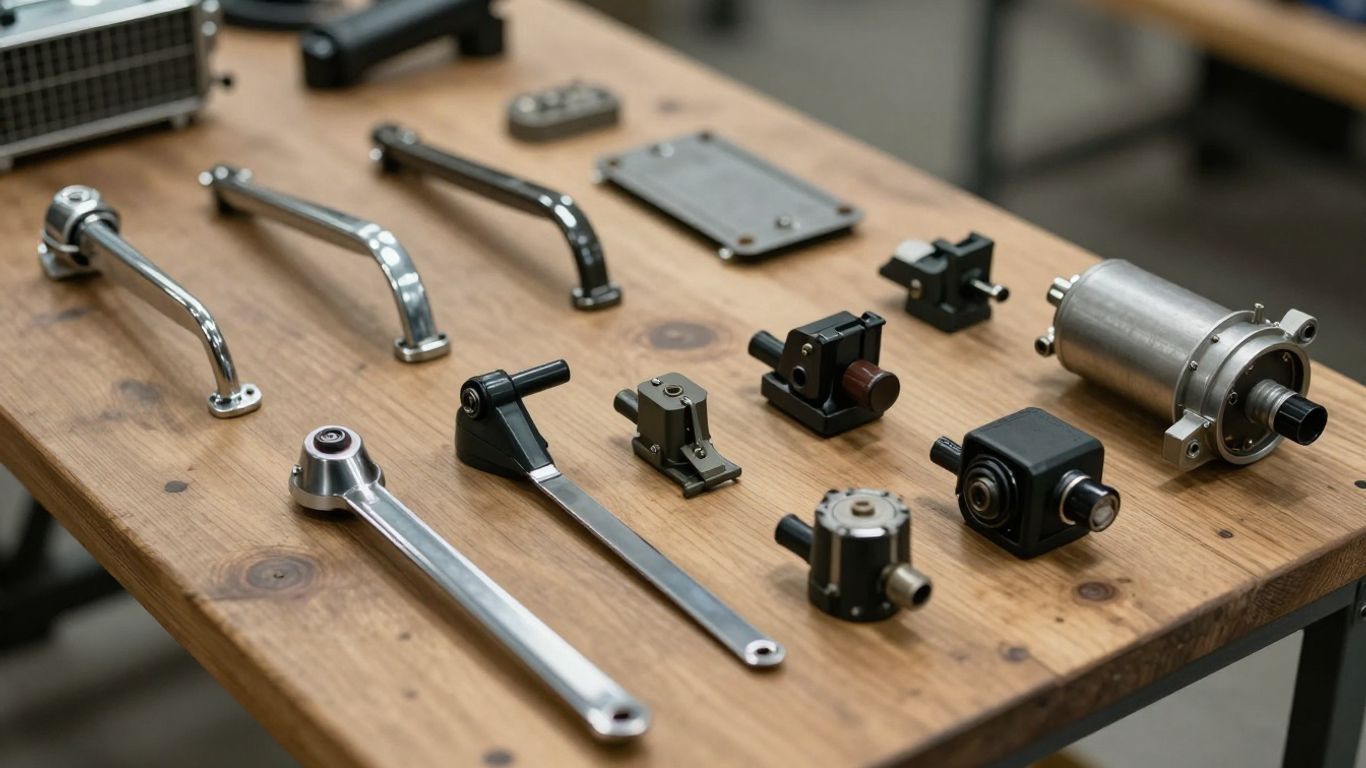
Finding reliable sources for your restoration is an exercise in resourcefulness that pays off over time. You might start by browsing The MG Experience Forums to see what other owners are currently parting out from their old projects. Experienced community members often provide honest assessments on what works and what is best left behind.
Evaluating online classifieds and enthusiast forums
Browsing internet forums is a great way to find parts that are no longer produced by major manufacturers. You should look for feedback on seller history to confirm they are trustworthy, ensuring the items are as described in their original posts.
Connecting with local MG car clubs and regional chapters
Local clubs are often the hidden gems for rare components that never make it to digital marketplaces. Getting involved with Houston MG Car Club members can provide direct leads on someone cleaning out their garage. These gatherings are also perfect for learning tricks of the trade that aren’t found in manuals.
Exploring dedicated classic British car scrapyards
Scrapyards that specialize in British steel are rare but incredibly valuable. If you take the time to visit one, bring a friend and a good set of tools, as parts are rarely sitting on the shelf waiting to be picked up. Remember to compare prices against online zahnzusatzversicherung deals to ensure you are getting a fair market rate for your find.
Utilizing specialized vendor markets and surplus inventories
Vendors like Northwest Import Parts often hold stocks that have been in storage for decades. Buying from established specialists ensures that you are getting parts tested for quality.
Assessing the condition of second-hand MG parts

Initial visual inspections are crucial because they tell you how hard a part has lived before it reached your workbench. Assessing components requires a keen eye for subtle deformations that a camera lens might hide or blur. The following table highlights common inspection points to consider before finalizing your purchase.
| Component | Primary Check | Sign of Wear |
|---|---|---|
| Suspension | Rubber Bushings | Cracking or dry rot |
| Braking | Cylinder Bore | Fluid leakage or pitting |
| Electrical | Connector Pins | Green or white oxidation |
Identifying signs of fatigue and corrosion on metal body panels
Surface rust is manageable, but structural fatigue requires careful consideration of the panel’s future life. Check the wheel arches and floor pan edges where moisture tends to accumulate and hide beneath layers of old paint. Knowing if a panel can be saved or if it needs to be bypassed is essential to keeping your restoration on budget.
Testing mechanical components for play and wear
Mechanical parts like steering racks or transmission linkages should operate smoothly without grittiness. If you feel excessive play during a dry test, the internals are likely due for a rebuild sooner rather than later. Using established jewelry trends of logic, always opt for the component that exhibits the least amount of internal variance.
Evaluating electrical parts for wiring integrity and oxidation
Old automotive wiring becomes brittle after years of heat cycling inside the engine bay. Inspect the insulation for cracks and verify that connectors have not turned green from oxidation. If the internal copper wiring shows signs of blackening, it is likely time to replace the harness rather than patch it.
Interpreting photos from remote sellers before purchasing
Always request close-up shots using a high-resolution camera to spot potential flaws. If a seller is hesitant to provide pictures from specific angles, it is safer to walk away from the deal. You need enough visual evidence to confirm the part’s condition matches their verbal description.
Navigating the trade and logistics of classic car parts
Dealing with private sellers requires strict attention to security as you finalize the logistics of your purchase. Keeping your transactions documented helps prevent simple misunderstandings about quality or shipping costs. Consider the following steps to ensure a smooth acquisition process for your components.
- Confirm the internal serial number matches your vehicle description.
- Request a video of the part operating if it is electrical or mechanical.
- Verify the seller’s history through peer reviews within the club.
- Document all communication throughout the negotiation phase.
Secure payment methods for private transactions
Using reputable payment services ensures your funds are protected if a package never arrives. Never feel pressured to use unconventional methods that provide no recourse in the event of a dispute. A standard digital platform typically offers the best balance of convenience and buyer security.
Negotiating shipping for oversized body panels and subframes
Large components often require freight shipping that can exceed the cost of the part itself. Discussing these costs with Stannis Automotive LLC or other vendors ahead of time can help you budget appropriately. If local pickup is an option, it is almost always the most cost-effective method for shipping bulky items like engine blocks or frames.
Understanding the return policy risks for salvaged parts
Used parts are rarely sold with a formal warranty, making your initial assessment critical. You must assume that salvage items come as-is, so clarify the seller’s expectations before exchanging any money. If you are uncertain about the part’s condition, keep looking rather than taking an unnecessary financial gamble.
Confirming provenance and history of engine components
Knowing where an engine came from provides clues about how well it was maintained over the years. Check for service records and listen to the seller’s context about the engine’s last recorded run. A well-documented history is more valuable than any outward cosmetic cleaning.
Restoring salvaged MG parts for daily driving
Restoring a part is as much about the process as it is about the end result. When you clean or rebuild an item, you ensure your parts remain in top condition for the miles ahead. This stage of the project is where you turn a neglected hunk of metal into a reliable driver.
Refurbishing chrome trim and exterior brightwork
Chrome needs regular cleaning and careful polishing to prevent the base metal from pitting further. Using the right set of abrasive compounds allows you to lift off dullness and bring back that period-correct shine. Take your time to avoid scratching the already thinning finish.
Rebuilding carburetors to modern performance standards
Modern fuel mixtures can be aggressive, so installing ethanol-resistant components during a carburetor rebuild is a standard practice. Rebuilding an S.U. carburetor involves careful cleaning of the fuel bowls and fine-tuning the mixture screws until the engine runs crisp. It is a rewarding task that balances the classic character with modern expectations.
Cleaning and powder coating engine bay peripherals
Powder coating provides a durable barrier against heat and grime that paint struggle to provide. Coating your brackets and engine bay peripherals makes cleanup much easier during routine maintenance. You will appreciate the effort next time you need to reach into the engine bay to swap a filter.
Safely handling hazardous fluids found in used braking systems
Old brake fluid is toxic and can ruin your painted surfaces quickly. Always wear proper protective gear and dispose of old fluids at a local collection facility rather than dumping them. Protecting your skin and the environment is part of being a responsible owner of a classic machine.
Conclusion
Successfully sourcing used parts for an MG is a rewarding process that deepens your connection to the car’s mechanical heritage. By following a methodical approach—carefully researching numbers, verifying conditions, and building relationships within the community—you can maintain your vehicle with high-quality components. Take the time to clean and restore your finds, and you will enjoy many miles with a machine that feels truly your own.
Frequently Asked Questions
Is it safe to buy used electrical components for an MG?
It can be safe if you carefully test for continuity and signs of corrosion before installation. Be prepared to replace connectors or wiring if they look brittle or oxidized.
How can I verify if an engine part fits my specific model year?
Always compare the engine prefix number found on the block tag against official factory records or a recognized service catalog. Relying on visual resemblance alone often leads to compatibility issues during assembly.
Why do some sellers prefer local pickup for large body parts?
Shipping large or heavy items like fenders and frames is prohibitively expensive and carries a high risk of damage during transit. Local pickup eliminates these logistics issues and allows for a final inspection before payment.
Should I prioritize OEM parts over reproduction alternatives?
OEM parts are preferred if you are doing a high-end restoration to preserve historical accuracy. Reproduction parts are perfectly fine for daily drivers, provided they meet standard quality checks.
What are the most common signs of fatigue in a used chassis?
Look for deep, flaking rust, metal thinning, or any visible warping around the mounting points. If a structural area feels flexible or soft to the touch, it has likely lost its load-bearing integrity.
How do I safely clean old chrome components?
Use a dedicated chrome polish and a soft microfiber cloth to gently rub away surface oxidation. Avoid using harsh steel wool, which can create micro-scratches and leave the metal vulnerable to future rust.
What documentation should I ask a seller for before buying engine parts?
Request clear service history logs, proof of recent operation, and videos showing the part under load test if possible. High-resolution photographs from all angles are the bare minimum you should expect.